


 US Comfortable With Canada Trade Standoff as Import Bans Loom
  Evan Gershkovich Says FSB Set Trap for 2023 Russia Arrest
  Iran Warns US Against Renewed Attacks as Hormuz Tensions Rise
  Saudi Arabia, Turkey and Pakistan Plan Urgent Defence Talks Over Houthi Attacks
  Najib Razak Seeks Stay of 15-Year 1MDB Prison Sentence
  Saudi Arabia Seeks Military Support as Houthi Attacks Escalate
  Colombia Extradites FARC Dissident Leader ‘Spider’ to US
  Iran Holds Firm on Hormuz Reopening Terms Despite Trump Rejection
  UK PM Burnham Signals Social Care Tax Changes, Questions Heathrow Expansion
  China Says U.S. Shares Responsibility for AI Governance
  China Agrees to Buy 20 Million Tons of U.S. Coal
  What ‘Taiwan Independence’ Means as Xi Presses Trump on US Policy
  Trump Warns China Against Supporting Iran in Xi Talks
  UK PM Burnham to Unveil Economic Vision at Labour Conference
  Iran Says Diplomacy Only Path to End U.S.-Israel Conflict
  US Supreme Court Revives Trump Administration Voter Citizenship Database
  Iran Rejects Nuclear Concessions in Hormuz Deal


 Add as a preferred source on Google
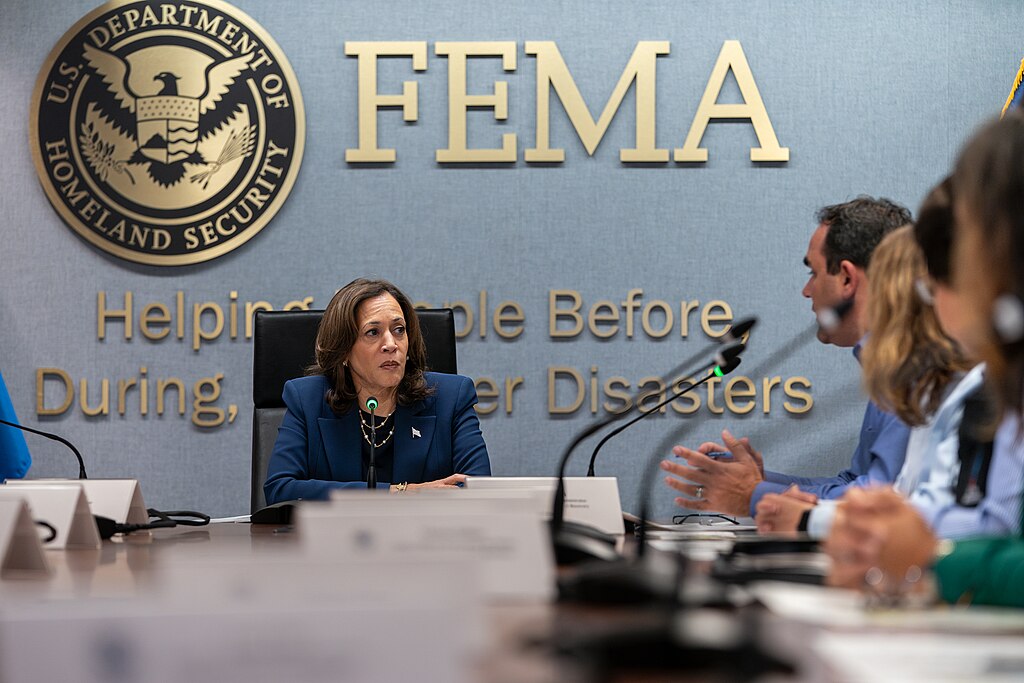
Vice President Kamala Harris has reignited a heated national debate with her latest promise to grant mass amnesty to over 20 million illegal immigrants currently residing in the United States. Harris’s bold statement, made during a recent address, has drawn sharp criticism from political opponents who argue that such a sweeping move could undermine U.S. sovereignty and strain the country’s immigration system.
Harris, a long-time advocate for comprehensive immigration reform, once again emphasized her commitment to providing a pathway to citizenship for millions of undocumented immigrants, stating that it is both a humanitarian and moral obligation. “We need to take bold action to address this issue, and that includes granting amnesty to those who have been living here for years, contributing to our communities,” Harris said. She went on to explain that mass amnesty would help bring undocumented immigrants out of the shadows and allow them to fully integrate into society.
The most controversial part of Harris’s pledge is the sheer scale of the proposed amnesty, which would affect an estimated 20 million people. Critics argue that such a plan would incentivize further illegal immigration and overwhelm the country’s already strained immigration system. “Kamala’s call for mass amnesty is a reckless, open invitation for more people to cross the border illegally,” one critic said. “She must be stopped before she completely surrenders our borders.”
Opponents of the vice president’s plan are also warning of the economic impact that granting mass amnesty could have on American taxpayers, suggesting that providing legal status to millions of undocumented immigrants could result in significant costs for healthcare, education, and social services. “This isn’t just a political issue—it’s an economic disaster waiting to happen,” a political analyst noted. “How does Harris expect the American people to shoulder the financial burden of this mass legalization?”
Supporters of Harris’s proposal, however, argue that granting amnesty would have long-term economic benefits by bringing millions of workers into the formal economy and increasing tax revenues. They point out that many undocumented immigrants are already working and contributing to the economy but are unable to fully participate because of their legal status. “These are hardworking people who deserve a chance to become part of the American dream,” one Harris supporter said. “This is about fairness and giving people the opportunity to live without fear of deportation.”
Despite the support from immigrant rights groups and progressives, Harris’s call for mass amnesty is likely to face fierce opposition in Congress, especially from Republicans who have long opposed any form of blanket amnesty. Many are calling for stricter enforcement of immigration laws and greater border security measures before any discussion of legalization can take place.
As the 2024 election approaches, immigration is expected to be a central issue, and Harris’s amnesty plan is sure to be a flashpoint in the campaign. With millions of undocumented immigrants living in the U.S., the question of how to address their status remains a deeply divisive issue, and Harris’s latest proposal has only added fuel to the political fire.
Whether her promise of mass amnesty will resonate with voters or further polarize the debate on immigration remains to be seen. For now, Kamala Harris’s bold vow has sparked outrage among opponents who believe her plan would fundamentally alter the nation’s immigration system—and not for the better.







