


 China Agrees to Buy 20 Million Tons of U.S. Coal
  Putin Says Ukraine Peace Proposals Remain on Table
  Taiwan Pushes Back on China’s World War Two Narrative After Trump-Xi Summit
  OpenAI, Anthropic CEOs Summoned to Australia AI Inquiry
  Taiwan Says U.S. Arms Sales Protect Chip Supply
  South Korea Demands Ukraine Apology Over North Korean POW Disclosure
  Colombia Extradites FARC Dissident Leader ‘Spider’ to US
  Iran Says Diplomacy Only Path to End U.S.-Israel Conflict
  Russian Bomb Strike on Kharkiv Injures 22, Including Children
  Trump to Ease U.S. Fuel-Economy Standards
  California Bans Memecoins Issued by Public Officials Under New Law
  Swiss Voters Reject Stricter Neutrality Rules in Referendum
  Bitcoin Slides Below $84K as Trump Signals Possible New Iran Strikes
  Evan Gershkovich Says FSB Set Trap for 2023 Russia Arrest
  Senate Democrats Say Tether USDT Helps Iran Evade Sanctions
  UK PM Burnham to Unveil Economic Vision at Labour Conference
  Iran Warns US Against Renewed Attacks as Hormuz Tensions Rise


 Add as a preferred source on Google
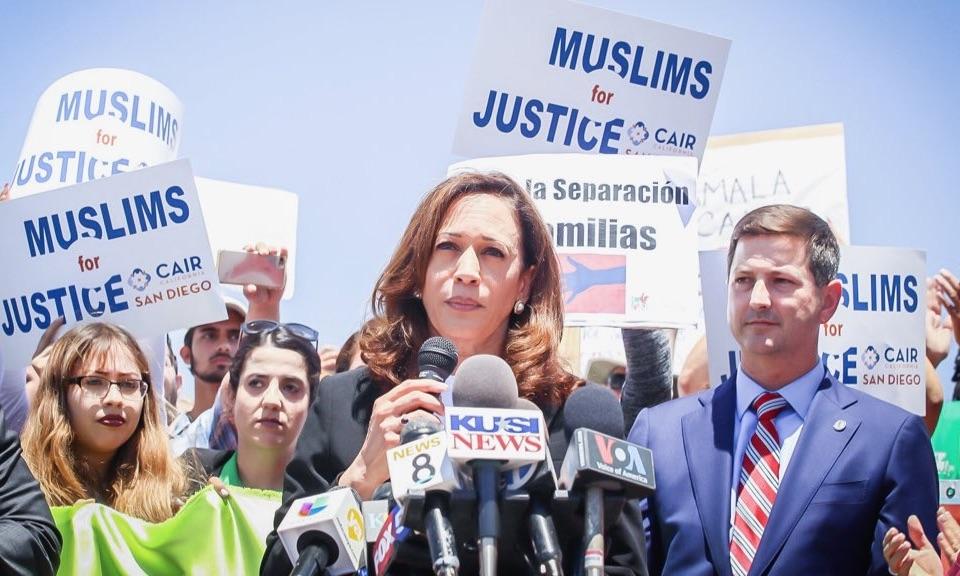
Vice President Kamala Harris has called for “putting more resources into fentanyl” in a recent speech addressing the ongoing opioid crisis, drawing sharp criticism from those who argue that her approach lacks the aggressive measures needed to combat the escalating problem. Harris’s remarks, intended to focus on the urgent need for government action, have sparked controversy, with opponents questioning whether her proposed solutions are enough to tackle the widespread epidemic that has claimed countless lives across the country.
During her speech, Harris emphasized the importance of allocating federal resources to address the fentanyl crisis, which has become a leading cause of overdose deaths in the United States. “We need to put more resources into fentanyl,” Harris stated, highlighting the administration’s commitment to tackling the deadly drug and its devastating impact on communities. She called for increased funding for public health initiatives, addiction treatment programs, and law enforcement efforts to combat the trafficking of fentanyl.
However, critics were quick to pounce on Harris’s comments, arguing that the vice president’s call for resources does not go far enough in addressing the severity of the crisis. With fentanyl overdoses reaching record highs, many believe that the current administration’s response has been too slow and too soft on enforcement. “Kamala’s talking about resources when what we need are tougher measures to stop fentanyl from flooding our streets,” one critic said. “More resources? How about cracking down on the cartels bringing this poison into our country?”
The most controversial aspect of Harris’s speech was her focus on resources rather than more immediate, hard-hitting solutions. While public health advocates have praised her emphasis on treatment and education, opponents argue that without stronger border security and stricter penalties for traffickers, the influx of fentanyl will continue unabated. Many see Harris’s remarks as a sign that the administration is not doing enough to stem the flow of illegal drugs into the country.
Supporters of Harris, however, have defended her stance, arguing that addressing the root causes of addiction and providing resources for treatment are critical components of solving the crisis. “You can’t just arrest your way out of the fentanyl epidemic,” one supporter commented. “We need a comprehensive approach, and that’s exactly what Kamala is calling for.”
Despite this support, the fentanyl crisis remains a major point of contention in political circles, with growing pressure on the Biden administration to take more aggressive action. With overdose deaths on the rise, critics argue that the time for resource allocation is over, and stronger law enforcement and policy measures must be implemented to stop fentanyl at its source.
As the fentanyl epidemic continues to devastate communities across the nation, Harris’s call for more resources has added fuel to the debate over how best to combat the crisis. Whether her approach will resonate with voters remains to be seen, but one thing is certain: the issue of fentanyl will be a central focus in the coming months as both parties grapple with how to respond to one of the most pressing public health crises of our time.
For now, Kamala Harris’s emphasis on “putting resources into fentanyl” has sparked a fierce discussion about the balance between treatment, prevention, and enforcement in the battle against opioid addiction.







