


 LVMH-Hermès Dispute Deepens Over Secret 2002 Share Deal
  US Backs Musk in Fight Against EU’s €120 Million X Fine
  Paramount-Warner Bros $110 Billion Deal Draws Antitrust Backlash
  Najib Razak Granted House Arrest Until 2028
  EU Agrees €6.6 Billion Military Aid Funding for Ukraine
  Evan Gershkovich Says FSB Set Trap for 2023 Russia Arrest
  Trump’s Arlington Arch Project Faces New Court Restrictions
  Brazil Court Suspends Sigma Lithium Mine Operations
  Ukrainian Drone Attacks Hit Russian Regions, Injuring at Least 12
  Rodrigo Duterte Makes First Public Appearance at ICC in 18 Months
  US Judge Dismisses Imran Ahmed Deportation Lawsuit
  DOJ Will Investigate AI-Related Crimes, Attorney General Blanche Says
  Abbas Reaffirms November 28 Palestinian Elections
  US Senate Rejects Iran War Powers Resolution in 50-49 Vote
  US Court Approves airBaltic Chapter 11 Restructuring
  Trump, Xi Visit US National Archives After White House Summit
  Xi Calls for Deeper U.S.-China AI Cooperation in Trump Talks


 Add as a preferred source on Google
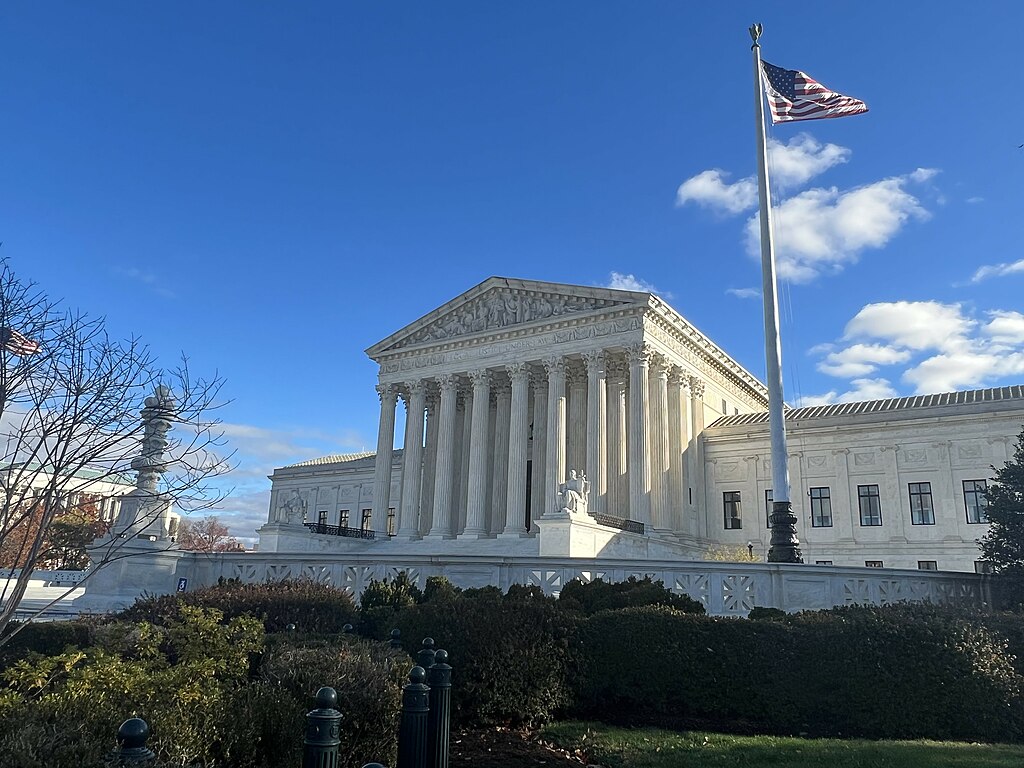
The U.S. Supreme Court on Friday allowed the Trump administration to resume using an expanded federal immigration database for citizenship checks on registered voters, reviving a program supporters say protects election integrity and opponents argue could wrongly remove eligible voters.
The justices granted the Justice Department’s request to block a lower-court ruling that had prevented state officials from using Social Security numbers and other federal records for large-scale citizenship verification. The court’s three liberal justices dissented.
The dispute centers on the Department of Homeland Security’s Systematic Alien Verification for Entitlements, known as SAVE. DHS redesigned the system in 2025 to permit bulk searches and checks using Social Security information. Under the modified program, information can be compared with Social Security Administration records to help determine citizenship status.
The Supreme Court majority said the challengers were unlikely to succeed on their claims, pointing to federal law that it said authorizes DHS to request and receive citizenship and immigration-status information from other government agencies.
Several Republican-led states have used the expanded SAVE system to compare federal information with voter-registration records. The Trump administration argues the database gives states an important tool for identifying noncitizens who may be improperly registered.
Voting-rights and privacy organizations, including the League of Women Voters and Electronic Privacy Information Center, challenged the program. They argue that inaccurate or outdated federal records could mistakenly identify naturalized U.S. citizens as noncitizens, potentially threatening eligible voters’ registrations.
A federal district judge in Washington had blocked the modified system in June, finding that its implementation violated federal privacy and administrative laws. The D.C. Circuit subsequently declined to suspend that decision while the administration appealed.
The Supreme Court’s latest order allows the modified SAVE program to operate while the broader legal dispute continues, putting the federal citizenship-verification system back into focus ahead of the November midterm elections.







