


 Pezeshkian Says US Must Choose When Iran War Ends
  Trump Warns China Against Supporting Iran in Xi Talks
  Taiwan Says U.S. Arms Sales Protect Chip Supply
  Saudi Arabia, Turkey and Pakistan Plan Urgent Defence Talks Over Houthi Attacks
  Colombia Extradites FARC Dissident Leader ‘Spider’ to US
  Germany Political Risks Rise as Merz Faces Coalition Pressure
  US Supreme Court Revives Trump Administration Voter Citizenship Database
  Najib Razak Seeks Stay of 15-Year 1MDB Prison Sentence
  Xi Calls for Deeper U.S.-China AI Cooperation in Trump Talks
  UK PM Burnham to Unveil Economic Vision at Labour Conference
  Saudi Arabia Seeks Military Support as Houthi Attacks Escalate
  Pope Leo Warns UN, Multilateral Groups Face Crisis
  Trump Asks Supreme Court to Restore Third-Country Deportations
  Putin Says Ukraine Peace Proposals Remain on Table
  US Comfortable With Canada Trade Standoff as Import Bans Loom
  Evan Gershkovich Says FSB Set Trap for 2023 Russia Arrest
  Iran Awaits U.S. Response on Hormuz Ceasefire Proposal


 Add as a preferred source on Google
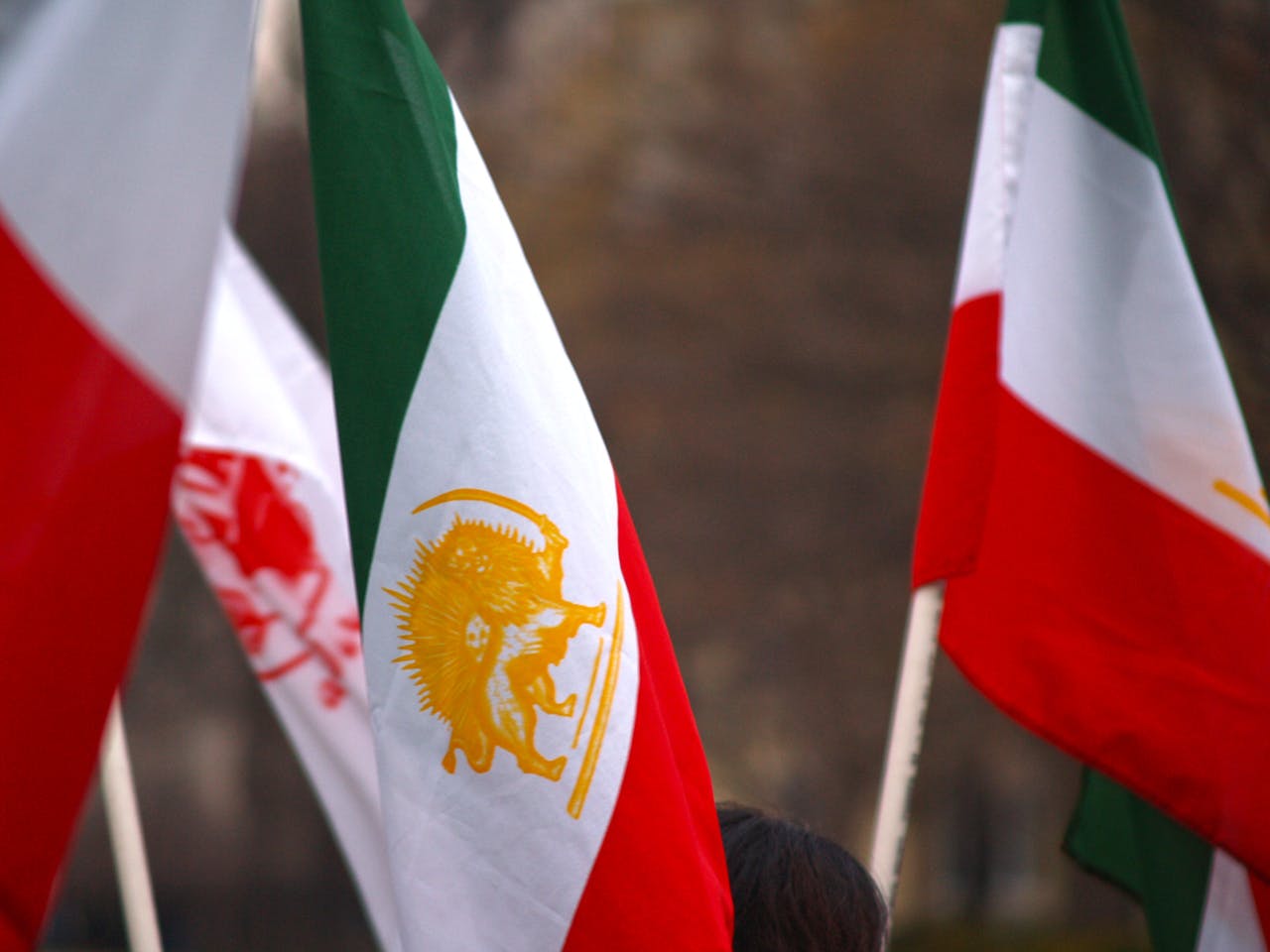
Iran said diplomacy remains the only viable path to ending its conflict with the United States and Israel after President Donald Trump rejected Tehran’s proposal to reopen the Strait of Hormuz and pause regional fighting.
Iranian Foreign Minister Abbas Araqchi said Tehran was still waiting for mediators to formally communicate Washington’s response. Iran submitted the proposal during the UN General Assembly through Qatari mediators, but Trump said Saturday that he had rejected the offer, arguing Tehran was seeking a deal after suffering losses during the conflict.
Araqchi said reopening the Strait of Hormuz would remain conditional on Iran’s demands being addressed. Under Tehran’s proposal, a seven-day countdown would begin toward reopening the strategic waterway and suspending hostilities across the region. Acceptance could pave the way for wider U.S.-Iran negotiations on other agreed issues.
The Strait of Hormuz has emerged as a major focus of the seven-month conflict. Iranian attacks on vessels have sharply reduced shipping through the crucial oil route, disrupting global energy supplies and putting pressure on the world economy. Washington has responded by imposing an economic blockade on Iran.
Iran’s nuclear programme could also become part of any broader negotiations. Trump has maintained that Tehran must not obtain a nuclear weapon.
Iranian President Masoud Pezeshkian said his government was prepared to negotiate over the nuclear programme and other disputes but would not accept coercion. A senior Iranian official separately told Reuters that Tehran would not compromise on uranium enrichment or agree to send its highly enriched uranium abroad.
The conflict began on February 28 with U.S. and Israeli attacks and has since moved through periods of reduced fighting and renewed strikes. Thousands of people have been killed, while Iran’s military and economy have sustained significant damage.
Iran and allied groups have also expanded retaliatory operations across the Middle East, including missile and drone attacks targeting U.S. allies in the Gulf and Houthi strikes against Saudi interests.
With no agreement yet in place, the Strait of Hormuz remains central to U.S.-Iran diplomacy as Tehran awaits Washington’s formal response through mediators.







