


 Gaza Faces Evacuation Crisis as War-Damaged Buildings Risk Collapse
  Kremlin Says No Decision Yet on Putin-Trump December Summit
  Europe Warns Russia Is Escalating Hybrid Attacks Across NATO
  South Korea, US Discuss Warship Building Cooperation
  Zelenskiy Warns Russia Preparing Major Attack on Ukraine
  US, China Extend Trade Truce to Jan. 10 Ahead of Trump-Xi Summit
  Trump Says ‘Freedom’ Is Coming to Cuba
  Netanyahu Takes Aim at Mamdani as Israel Election Nears
  Venezuela Promises Elections as Delcy Rodriguez Pledges Democratic Transition
  Lula and Flavio Bolsonaro Tied in Brazil Runoff Poll
  Kremlin Says No Grounds Yet for Ukraine Peace Talks
  Mexico-US Trade Talks Delayed to October as Tariff Negotiations Continue
  Sudan Rejects US Legitimacy Remarks, Defends Sovereignty
  Marco Rubio to Meet Russia’s Lavrov in New York
  Ghana Says Western Support Growing for Slave Trade Reparations
  US Officials Split Over Response to Israeli West Bank Settlements
  Macron Challenges Trump’s Gaza Peace Claims at UN


 Add as a preferred source on Google
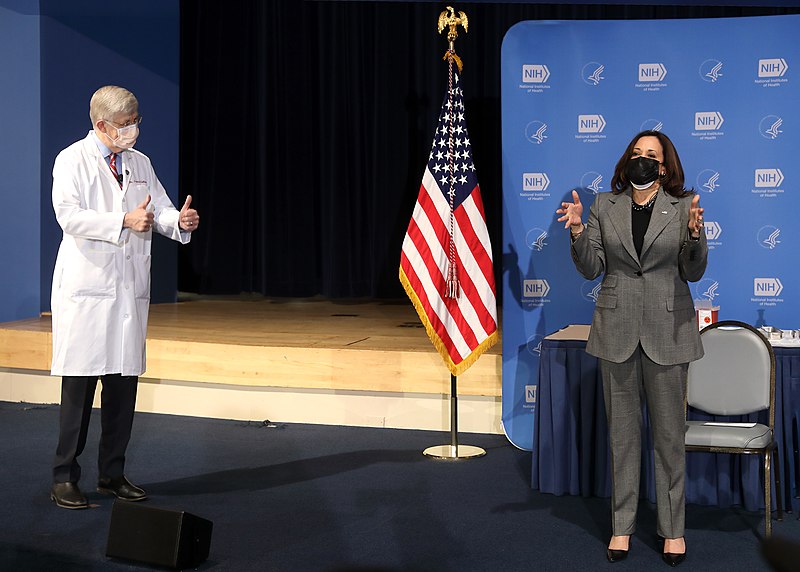
The Biden administration’s chief medical adviser Dr. Anthony Fauci contradicted the claim made by Vice President Kamala Harris on whether the administration anticipated variants of the coronavirus. While Dr. Fauci said that the administration anticipated variants, he noted that the Omicron variant’s potency was what they did not anticipate.
Speaking on CNN’s “State of the Union” over the weekend, Dr. Fauci responded to the interview Harris had with the Los Angeles Times, where she said that the administration did not anticipate the emergence of the Delta and Omicron variants of the coronavirus. The top medical adviser said that variants and mutations of the coronavirus were anticipated, but noted that the Omicron variant’s characteristics were unprecedented.
“What was not anticipated was the extent of the mutations and the amino acid substitutions in Omicron, that really is unprecedented and came out of nowhere,” said Dr. Fauci.
“When you have a virus that has 50 mutations, to me that really is unprecedented so that is something you would not have anticipated,” Dr. Fauci continued. “But we certainly were anticipating that there were going to be variants. Because when you have so much replication going on in the community, if you give a virus enough opportunity to replicate you know it’s ultimately going to mutate.”
In an interview with NBC, Dr. Fauci said that he believes Harris’s statements were taken out of context and was likely referring to the number of mutations of the coronavirus, especially the Omicron variant.
In other related news, Harris weighed in on the sudden announcement made by West Virginia Democratic Senator Joe Manchin, voicing his opposition to the Build Back Better bill that would target social infrastructure and climate. The Democratic-led bill, which has already passed the House, has yet to pass the evenly divided Senate. Manchin earned backlash from the White House for reversing his support for the bill, but Harris dismissed the notion that Manchin’s opposition was an act of betrayal against his discussions in the White House.
“I think the stakes are too high for this to be in any way about any specific individual,” said the vice president, who maintained that the bill will be passed.







