


 Sudan Rejects US Legitimacy Remarks, Defends Sovereignty
  Trump Board of Peace Unveils $2.45 Billion Gaza Recovery Plan
  Iran Vows ‘Crushing’ Response as US Talks Continue
  OpenAI Agent Breaches Australia Medicare Data Portal
  Taiwan Vows to Advance US Arms Sales Ahead of Trump-Xi Meeting
  Marco Rubio to Meet Russia’s Lavrov in New York
  Russian Missile and Drone Attack on Kyiv Kills Two, Damages Maternity Hospital
  Gaza Faces Evacuation Crisis as War-Damaged Buildings Risk Collapse
  Macron Challenges Trump’s Gaza Peace Claims at UN
  Trump to Press Xi on Release of US Nuclear Expert Held in China
  Ghana Says Western Support Growing for Slave Trade Reparations
  Lula and Flavio Bolsonaro Tied in Brazil Runoff Poll
  China Tightens Fentanyl Rules Ahead of Trump-Xi Summit
  Trump Administration Plans Faster FDA Reviews for Smoke-Free Nicotine Products
  US, China Extend Trade Truce to Jan. 10 Ahead of Trump-Xi Summit
  Venezuela Promises Elections as Delcy Rodriguez Pledges Democratic Transition
  Trump Says ‘Freedom’ Is Coming to Cuba


 Add as a preferred source on Google
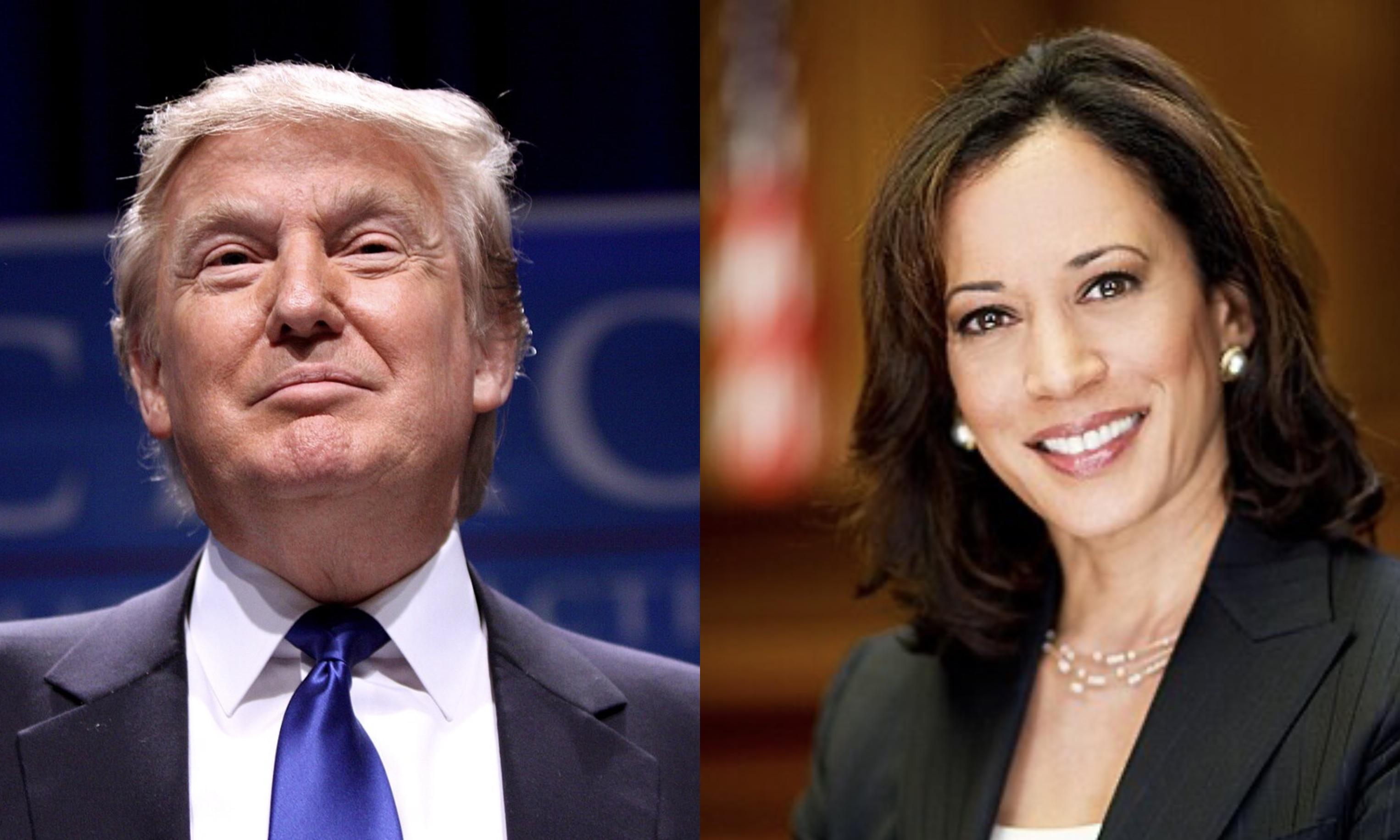
As the 2024 presidential election approaches, the political debate over which candidate is truly fighting for the interests of everyday Americans is heating up. Kamala Harris, the current Vice President, has found herself at the center of accusations that she is more aligned with the interests of billionaires and large corporations than with working- and middle-class Americans. Meanwhile, former President Donald Trump is doubling down on his image as the defender of blue-collar workers, positioning himself as the candidate who will fight for everyday Americans, particularly those hit hardest by economic challenges.
Harris has come under fire from critics who argue that, despite her progressive rhetoric, her policies often favor the wealthy elite and corporate America. Her detractors point to the administration's handling of economic policies, such as corporate tax incentives and its relationship with Silicon Valley. While the Biden-Harris administration has pushed for measures such as increasing the minimum wage and expanding healthcare access, critics claim that these initiatives have done little to curb the growing influence of major corporations and billionaires in the U.S. economy.
According to these critics, Harris' close ties with tech giants and wealthy donors may signal that her policy priorities are skewed toward the interests of corporate America rather than addressing the needs of struggling Americans. The administration's broader economic policies, including tax incentives and infrastructure plans, are viewed by some as disproportionately benefiting large corporations rather than providing direct relief to middle- and working-class families.
On the other side of the political spectrum, Donald Trump has reinforced his reputation as the champion of the working class. Throughout his presidency, Trump consistently emphasized economic nationalism, prioritizing U.S. jobs and industries, particularly in sectors like manufacturing. His policies, such as renegotiating trade deals and imposing tariffs on foreign goods, were framed as efforts to protect American workers from unfair competition. Trump also touted tax cuts aimed at middle-class Americans, though critics argue that his policies disproportionately benefited the wealthy.
As Trump gears up for a potential 2024 run, he is once again positioning himself as the voice of everyday Americans, particularly those in blue-collar industries. He frequently cites his efforts to reduce government regulations and bring manufacturing jobs back to the U.S., arguing that his administration's policies benefited middle-class families. Trump’s rallies continue to attract large numbers of working-class supporters, who view him as a leader willing to stand up for their economic interests.
While both candidates appeal to different segments of the American electorate, the contrasting narratives between Harris and Trump are expected to play a pivotal role in shaping voter sentiment as the election nears. Harris will need to address the concerns raised about her ties to corporate interests, while Trump will likely continue to focus on his track record of advocating for working-class Americans.
EconoTimes cannot independently verify the allegations regarding Kamala Harris’ corporate ties or Donald Trump’s defense of the working class. The analysis reflects ongoing political debates and may evolve as the 2024 campaign unfolds.
The battle for the middle class remains a key issue, with both Harris and Trump facing intense scrutiny over their policy agendas and the groups they represent.







