


 Ecuador Court Convicts Ex-President Lenin Moreno in Bribery Case
  Maduro Seeks Dismissal of US Drug Trafficking Charges
  Appeals Court Rejects Trump Third-Country Deportation Policy
  Russian Missile and Drone Attack on Kyiv Kills Two, Damages Maternity Hospital
  Trump Asks Supreme Court to Restore Third-Country Deportations
  Venezuela Nears Deal to Move $4 Billion in Gold to New York Fed
  Trump, Xi Visit US National Archives After White House Summit
  Judge Orders Trump to Restore White House Access for CNN, MS NOW and Politico
  France Defends Netanyahu Airspace Clearance Despite ICC Warrant
  Netanyahu’s Brief US Trip Highlights Strains With Trump
  Netanyahu Takes Aim at Mamdani as Israel Election Nears
  Pezeshkian Says US Must Choose When Iran War Ends
  Amazon Shares Fall as FTC Plans Ad Pricing Lawsuit
  Nvidia-Groq AI Chip Deal Faces U.S. Antitrust Probe
  Trump’s Arlington Arch Project Faces New Court Restrictions
  US Backs Musk in Fight Against EU’s €120 Million X Fine
  Ghana Says Western Support Growing for Slave Trade Reparations


 Add as a preferred source on Google
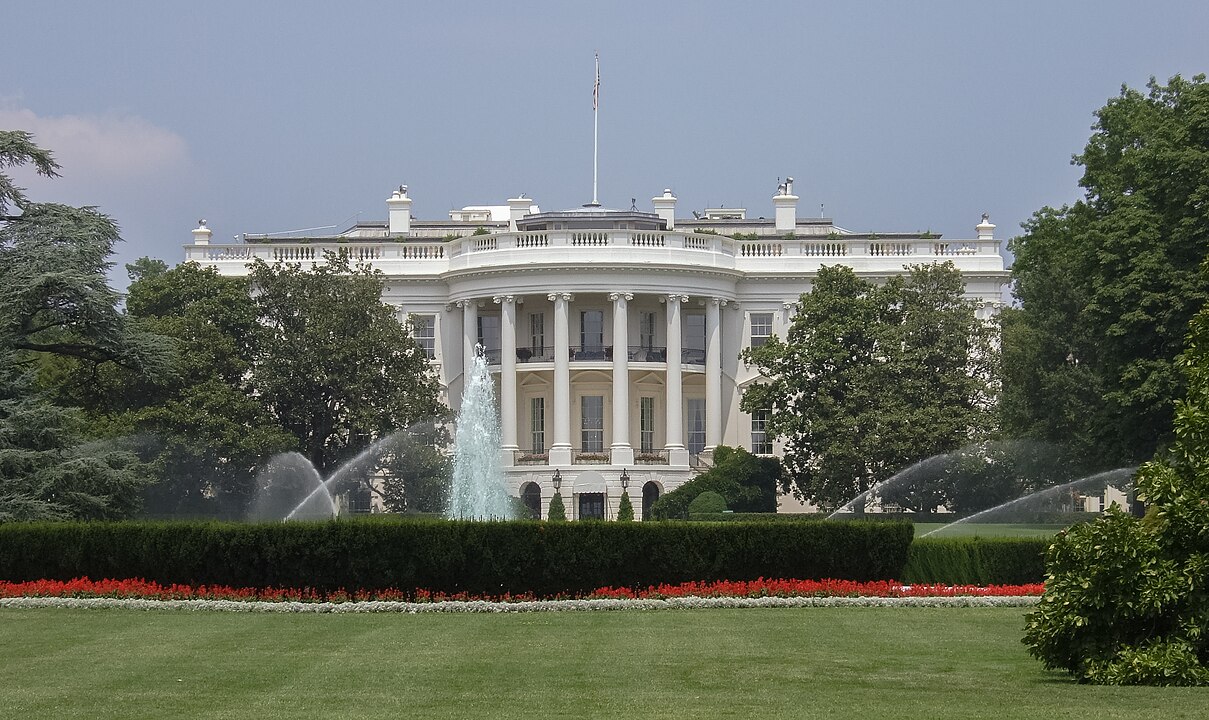
A federal judge has halted the Trump administration’s plan to end Temporary Protected Status (TPS) and revoke work permits for more than 6,100 Syrian nationals living in the United States. The ruling, issued by U.S. District Judge Katherine Polk Failla in Manhattan, prevents the policy from taking effect while a legal challenge moves forward.
Judge Failla determined that the sudden termination of TPS for Syrians was likely unlawful. She agreed with seven Syrian migrants who argued that the administration failed to follow mandatory procedures, including a thorough review of current conditions in Syria. Failla noted that evidence suggested political motivations influenced the decision rather than the humanitarian and legal criteria required by federal law. She also pointed out that the administration’s pattern of rapidly ending TPS for multiple countries raised concerns about whether proper evaluations were being conducted.
TPS, a humanitarian protection established for people fleeing conflict, natural disasters, or other crises, was first granted to Syrians in 2012 as the country descended into a devastating civil war. The program shields eligible migrants from deportation and grants them work authorization in the U.S. While the war in Syria has evolved, the situation remains unstable, making the legal protections especially significant for recipients.
The Trump administration is expected to appeal the ruling. Officials have consistently argued that TPS has been extended too broadly and that conditions in some countries no longer justify continued protection. However, critics—including Democratic lawmakers, immigration advocates, and employers—warn that ending TPS would send thousands back to unsafe environments and disrupt industries that rely on their labor.
The case comes just weeks after the U.S. Supreme Court allowed the administration to end TPS for 600,000 Venezuelan migrants. Courts are still reviewing similar terminations for recipients from Haiti, Honduras, Nepal, and Nicaragua. The Department of Homeland Security previously claimed Syria remained a hub of terrorism and that maintaining TPS conflicted with U.S. interests, a justification the judge found insufficient under federal requirements.
This ruling temporarily preserves protections for Syrians while the broader legal debate over the future of TPS continues.







