


 South Korea to Brief Lawmakers on $350 Billion US Investment Package
  US-China Talks Target AI, Tariffs Ahead of Trump-Xi Summit
  Trump Administration Prepares Sanctions Against Entire ICC
  US Plans Two New Military Bases in Greenland Under Arctic Deal
  North Korea Fires Two Ballistic Missiles From Wonsan
  US, Japan and South Korea Back Taiwan Ahead of Trump-Xi Summit
  Trump Plans Military Complex Inside Washington Triumphal Arch
  Lula Meets Mamdani in New York as Elections Approach
  Trump, Iran Trade Threats as Middle East Tensions Escalate
  Trump Open to Pezeshkian Meeting as Iran Tensions Escalate
  Trump Scales Back Endangered Species Act Protections
  Vietnam, US Trade Deal Could Be Signed Soon, To Lam Says
  CNN, MS NOW and Politico Sue Trump Over White House Media Ban
  AfD Wins German State Election as Merz’s CDU Hits Historic Low
  Trump Sets High-Stakes UN Meetings With Zelenskiy, Gulf Leaders
  Macron, Trump Discuss Ukraine-Russia Energy Strike Moratorium
  Diana’s Brother Backs Security for Harry and Meghan


 Add as a preferred source on Google
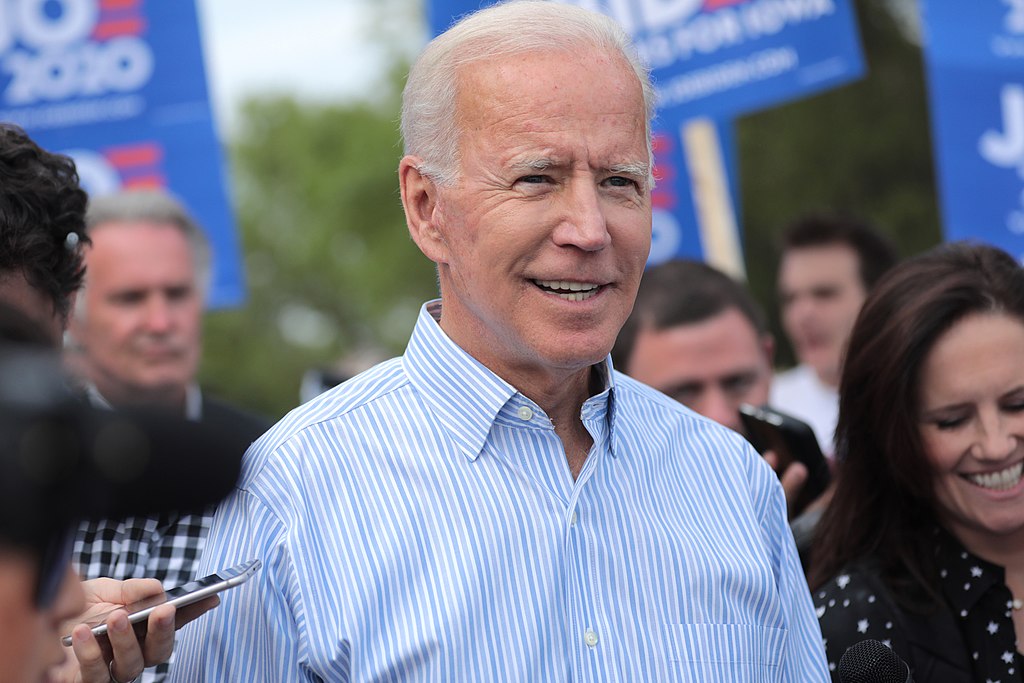
Recent reports have revealed that President Joe Biden's White House staffers are feeling increasingly demoralized and "miserable" as the President continues to rely heavily on a close-knit group of advisors. This "inner circle" is perceived as essential to "prop him up," creating a challenging work environment for other staff members who feel sidelined and undervalued.
Inner Circle Dynamics
President Biden has long been known for his preference for a tight group of trusted advisors, a pattern that has continued into his presidency. According to sources cited by Politico, this inner circle includes long-time confidants such as Chief of Staff Ron Klain, National Security Advisor Jake Sullivan, and Counselor to the President Steve Ricchetti. These individuals are seen as the primary influencers in the administration, often overshadowing other staff members and leading to a hierarchical work culture.
Staffer Sentiments
The morale among White House staffers is reportedly low, with many feeling excluded from critical decisions and processes. Axios reports that the heavy reliance on the inner circle has led to frustration and dissatisfaction among broader staff, who feel their contributions are undervalued. This environment has allegedly caused several staffers to consider leaving their positions, exacerbating the administration's challenges in maintaining a cohesive and motivated team.
The Role of the Inner Circle
The president's reliance on the inner circle is partly attributed to his need for unwavering support and trusted advice amidst a turbulent political climate, as per OK Magazine. CNN highlights that Biden's close advisors are critical in navigating the complex landscape of domestic and international issues, providing him with consistent and reliable guidance. While beneficial for maintaining a clear strategic direction, this approach has inadvertently marginalized other staff members.
Challenges and Implications
This internal dynamic poses several challenges for the Biden administration. The potential turnover of disillusioned staffers could disrupt continuity and effectiveness in executing policy initiatives. Furthermore, the perception of an exclusive inner circle could hinder team collaboration and innovation, as broader staff may feel discouraged from voicing new ideas or perspectives.
The New York Times notes that such an environment can lead to inefficiencies and missed opportunities, particularly in a high-stakes setting like the White House, where diverse input is crucial for robust decision-making. The morale issue could also impact the administration's ability to attract and retain top talent, essential for driving the President's agenda forward.
Looking Forward
Addressing these internal challenges will be critical for the Biden administration as it seeks to advance its policy objectives and maintain effective governance. Strategies to improve staff morale and inclusivity could involve fostering a more open and collaborative work culture, ensuring that contributions from all levels are recognized and valued.
As the administration navigates these internal dynamics, the President's ability to balance reliance on his inner circle with broader staff engagement will be key to sustaining a motivated and cohesive team. This balance will be essential for maintaining staff morale and achieving the administration's broader goals in a complex and evolving political landscape.
Photo: Gage Skidmore from Peoria, AZ, United States of America, CC BY-SA 2.0, via Wikimedia Commons








.jpg)