


 UK Home Asking Prices Rise for First Time Since May
  Strait of Hormuz Oil Shipments Hit Six-Month High as U.S. Clears Mines
  Yen Weakens as Dollar Gains on Widening US-Japan Rate Gap
  U.S. Dollar Hits Eight-Week High After Fed Rate Hike
  RBA Says ASX Still Falls Short on Governance and Risk Controls
  Oil Prices Rise as Houthi Strikes on Riyadh Fuel Middle East Tensions
  U.S. Stock Futures Rise Ahead of Trump-Xi Summit, Middle East Risks Weigh
  Gold Prices Rise as Oil Slide Eases Fed Rate Hike Fears
  Asia Stocks Rise on AI Demand as Oil Eases
  France Debt-to-GDP Ratio Seen Hitting Record 119.3% in 2026
  Gold Prices Hold Steady Ahead of Trump-Xi Summit, Middle East Risks
  Oil Prices Rise as U.S.-Iran Talks Fuel Diplomacy Hopes
  US-China Talks Target AI, Tariffs Ahead of Trump-Xi Summit
  Oil Prices Tumble on U.S.-Iran Diplomacy Hopes, Supply Relief
  South Korea to Brief Lawmakers on $350 Billion US Investment Package
  Asian Stocks Mixed Ahead of Trump-Xi Meeting


 Add as a preferred source on Google
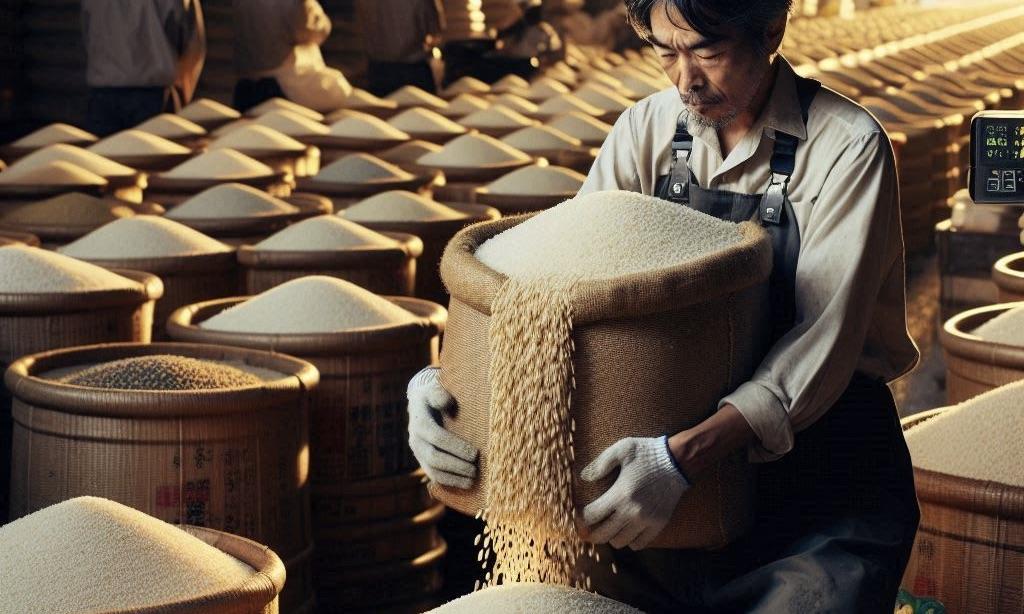
Japan's private sector rice inventory fell to a record low of 1.56 million tons in June, the lowest since 1999. The drop, driven by last year's heat and increased tourism, has raised concerns about rising prices amid ongoing high demand.
Japan's Rice Inventory Drops to Record Low Due to Heat and Tourism, Prices Expected to Rise
The farm ministry announced on July 30 (via Japan Today) that Japan's private sector rice inventory decreased to 1.56 million tons in June, the lowest level since comparable data was first recorded in 1999. This represents a 20% decrease from the previous year. The crop was impacted by last year's summer heat and the increased demand for rice fueled by inbound tourism.
There are concerns that the inventory may continue to decrease, resulting in price increases due to the high temperatures that have persisted this summer.
Although the annual demand for rice in Japan had been decreasing due to the country's declining population, preliminary data indicated that the domestic market for the year through June was 7.02 million tons, an increase of 110,000 tons from the previous year. This marks the first increase in ten years.
According to the ministry, one factor that contributed to the increase in demand was the common perception that the rise in rice prices was relatively reasonable compared to those of bread or noodles.
Tourism Boost and Weak Yen Drive Up Japan's Rice Prices to 11-Year High, Yet Market Remains Stable
According to a 2023 report on foreign visitors to Japan by the Japan Tourism Agency, eliminating COVID-19 travel restrictions and a weak yen have increased the number of tourists visiting Japan, with the consumption of Japanese cuisine being a top priority.
In June, the average price of rice produced in 2023 reached 15,865 yen per 60 kilograms when producer cooperatives sold it to wholesalers, the highest level in approximately 11 years.
Despite the challenges, the ministry reassures that the supply-demand balance is not in a crisis. The distribution of rice produced in 2024 is still underway, indicating the market's resilience.
The government's projection for the future is optimistic. It anticipates a decrease in domestic demand to 6.73 million tons during the same month and a decrease in rice inventory to 1.52 million tons by June of the following year, paving the way for potential growth in the market.







