


 US Trade Court Blocks Trump’s 10% Global Tariffs
  Oil Prices Surge as U.S.-Iran Conflict Threatens Strait of Hormuz Supply Route
  US-Iran Ceasefire Under Pressure as Fresh Strait of Hormuz Clashes Shake Oil Markets
  U.S.-China Beef Trade Deal Hopes Rise Ahead of Trump-Xi Summit
  Oil Prices Rebound Slightly After Sharp Drop on Iran Deal Hopes
  European Stocks Edge Higher as Iran-U.S. Peace Talks Boost Market Sentiment
  Israel Strikes Beirut Amid Fragile Hezbollah Ceasefire Tensions
  Australia’s Wealthy Donors Shift Support to One Nation Amid Conservative Party Decline
  US Reviews Mexican Consulates Amid Rising Diplomatic Tensions
  US Launches Retaliatory Strikes on Iran Amid Rising Strait of Hormuz Tensions
  Italy Services PMI Nears Stabilization as Middle East Tensions Push Costs Higher
  Iran Accuses U.S. of Violating Strait of Hormuz Ceasefire with Ship and Coastal Attacks
  Japan Signals Readiness for More Yen Intervention Ahead of Bessent Visit
  Judge Rules DOGE Humanities Grant Cuts Unconstitutional
  China-Made Fireworks Power U.S. Independence Day Celebrations Amid Trade Truce
  China Banks Halt New Loans to Sanctioned Refineries Amid U.S.-Iran Oil Crackdown
  Trump Inspects Lincoln Memorial Reflecting Pool Renovation in Washington


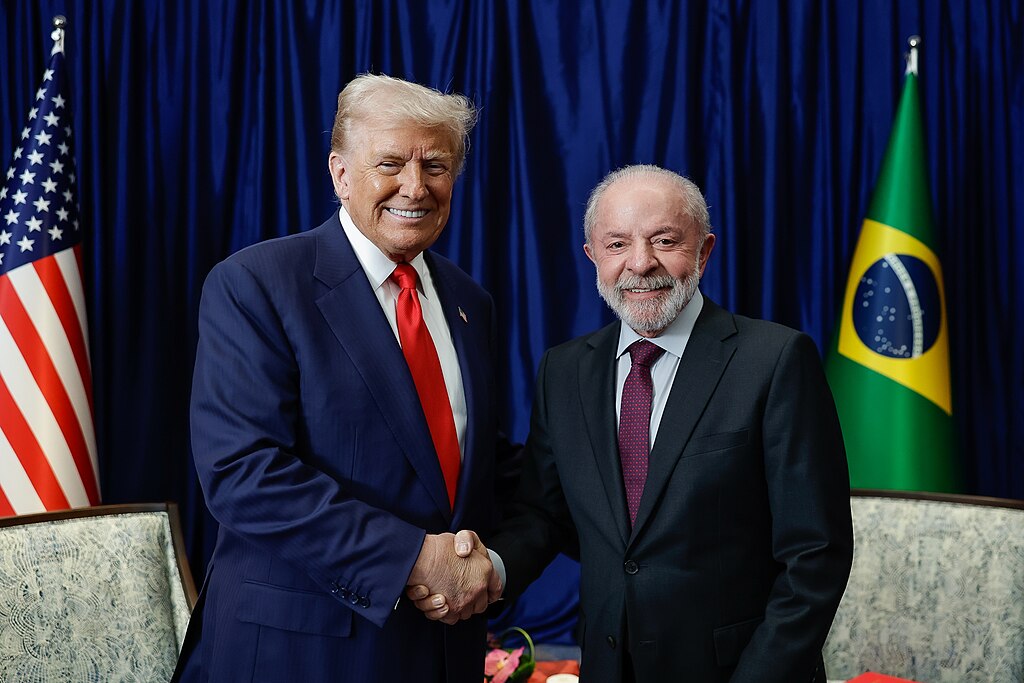
Brazilian President Luiz Inacio Lula da Silva said his lengthy White House meeting with U.S. President Donald Trump helped stabilize Brazil-US relations after months of tension linked to trade tariffs and political disputes. The meeting, which lasted nearly three hours, marked an important step toward improving diplomatic and economic cooperation between the two countries.
Although the two leaders were expected to appear together before reporters in the Oval Office, the press conference never happened, sparking speculation about disagreements over tariffs and Brazil’s prosecution of former President Jair Bolsonaro. Lula later clarified that he personally requested a private meeting without media presence to allow both leaders to speak openly.
Speaking after a lunch meeting at the White House, Lula described the talks as productive and positive. Trump also praised the Brazilian leader on social media, calling him a “very dynamic president” and saying the discussions went well.
The leaders reportedly discussed trade relations, tariffs, organized crime, critical minerals, and security cooperation. Officials from both countries agreed to continue negotiations in the coming weeks, particularly regarding tariffs on Brazilian exports. Brazilian authorities welcomed the creation of a new working group, viewing it as an opportunity to delay or avoid additional U.S. trade penalties.
Trade tensions between Brazil and the United States escalated after Trump previously imposed tariffs of up to 50% on Brazilian products, citing concerns over Bolsonaro’s legal troubles. While many of those tariffs were later reduced or removed, some Brazilian goods still face a 10% U.S. tariff that is set to expire in July 2026.
Despite ideological differences, Lula and Trump share similarities as influential populist leaders who both experienced major political comebacks. Their relationship appears to have improved since a friendly exchange at the United Nations General Assembly last year.
Challenges remain between the two countries, particularly over digital trade policies, ethanol tariffs, and environmental concerns related to Brazilian timber exports. However, Thursday’s meeting signaled a potential thaw in Brazil-US relations and opened the door for future economic cooperation in 2026.







