


 Solidigm Taps Goldman, Morgan Stanley for $10 Billion US IPO
  US Supreme Court Revives Trump Administration Voter Citizenship Database
  Second DOJ Lawyer Exits Trump Probe
  Litecoin Marks 15 Years as Grayscale Backs LTC ETF Push
  Amazon Cuts More Jobs as AI Investment Expands
  DogecoinVM Makes DOGE Transactions 300x Faster
  Judge Blocks Trump Election Conditions on Counterterrorism Grants
  Polkadot Launches dotUSD Stablecoin as DOT Price Falls
  San Francisco Halts New Data Center Construction With 45-Day Moratorium
  California Leads Lawsuit Over Trump’s $810 Million Funding Cuts
  Apple Names Steve Smith M&A Chief in Leadership Shakeup
  Levi Strauss Beats Q3 Profit Estimates, Raises 2026 Outlook
  France Defends Netanyahu Airspace Clearance Despite ICC Warrant
  David Schwartz to Reveal XRP Ledger Future at Ripple Swell 2026
  Florida Seeks Tougher Meta Rules to Protect Young Users
  Circle Stock Falls 4% as Crypto Selloff Overshadows SAP Pay Expansion
  US Grants Aurora Five-Year Exemption for Self-Driving Trucks


 Add as a preferred source on Google
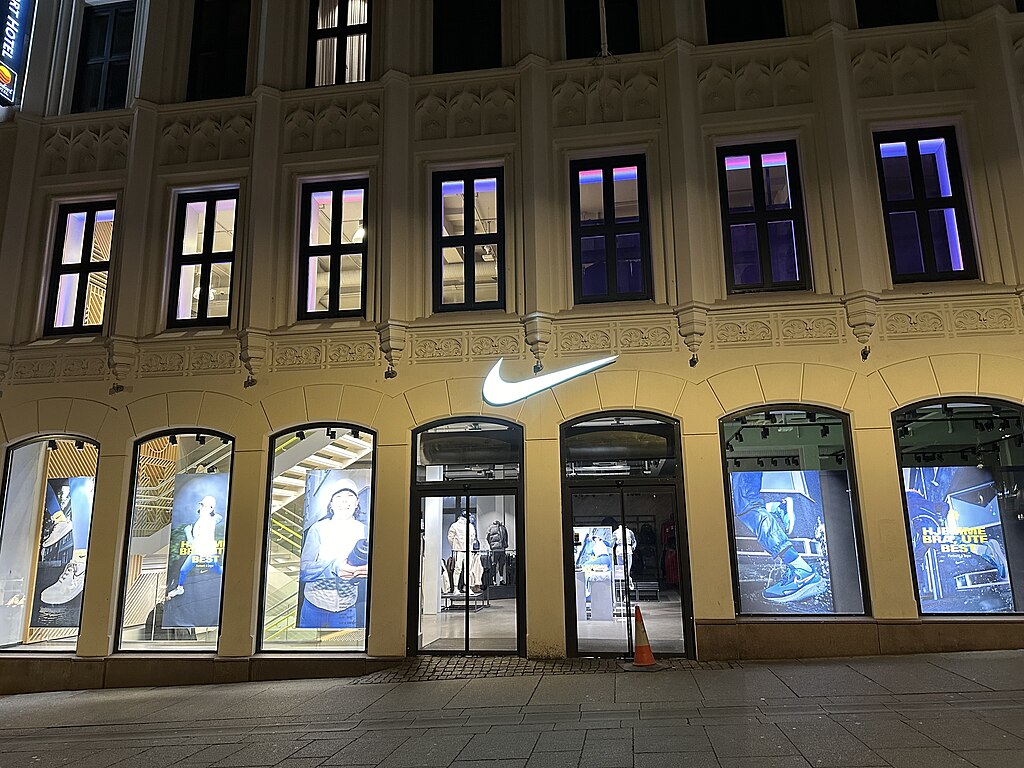
Nike is facing a proposed class action lawsuit after consumers accused the global sportswear giant of failing to return tariff-related costs that were allegedly passed on through higher product prices. The lawsuit, filed in federal court in Portland, Oregon, claims Nike could receive substantial tariff refunds from the U.S. government while consumers who paid inflated prices receive nothing in return.
According to the complaint, Nike increased prices on several products after former President Donald Trump imposed broad import tariffs under the International Emergency Economic Powers Act. The company reportedly raised footwear prices by $5 to $10 and apparel prices by $2 to $10 to offset the financial impact of the tariffs. Nike previously stated it had paid around $1 billion in tariffs on imported goods because of those trade measures.
Consumers argue that the U.S. Supreme Court’s February decision striking down the tariffs means Nike may recover a significant portion of those payments from the government. The lawsuit alleges that keeping both the consumer price increases and the refunded tariff money would allow Nike to benefit twice from the same costs.
The complaint states that Nike has not made any legally enforceable promise to reimburse customers for the additional charges tied to tariffs. Plaintiffs are seeking court intervention to prevent the company from retaining what they describe as unfair profits.
Nike has not yet publicly responded to the allegations. The sportswear company joins other major brands facing similar lawsuits, including Costco and Ray-Ban owner EssilorLuxottica, over claims related to tariff refund practices.
During a March 31 earnings conference call, Nike indicated that the fiscal quarter ending in August 2026 could be the final period in which tariffs significantly impact its gross margins. The outcome of the lawsuit may have broader implications for retailers that increased prices during the tariff period.







