


 France Defends Netanyahu Airspace Clearance Despite ICC Warrant
  Trump Asks Supreme Court to Restore Third-Country Deportations
  Ukrainian Drone Attacks Hit Russian Regions, Injuring at Least 12
  Abbas Reaffirms November 28 Palestinian Elections
  US Backs Musk in Fight Against EU’s €120 Million X Fine
  Saudi Arabia Seeks Military Support as Houthi Attacks Escalate
  Trump, Xi Visit US National Archives After White House Summit
  Putin Says Ukraine Peace Proposals Remain on Table
  Pezeshkian Says US Must Choose When Iran War Ends
  What ‘Taiwan Independence’ Means as Xi Presses Trump on US Policy
  Yemen Violence Displaces 130,000 as Civilian Toll Rises
  US Supreme Court Revives Trump Administration Voter Citizenship Database
  Saudi Arabia, Turkey and Pakistan Plan Urgent Defence Talks Over Houthi Attacks
  Iran Rejects Nuclear Concessions in Hormuz Deal
  Colombia Extradites FARC Dissident Leader ‘Spider’ to US
  Pope Leo Warns UN, Multilateral Groups Face Crisis
  North Korea Warns South Korea Over US-Led Defense Role


 Add as a preferred source on Google
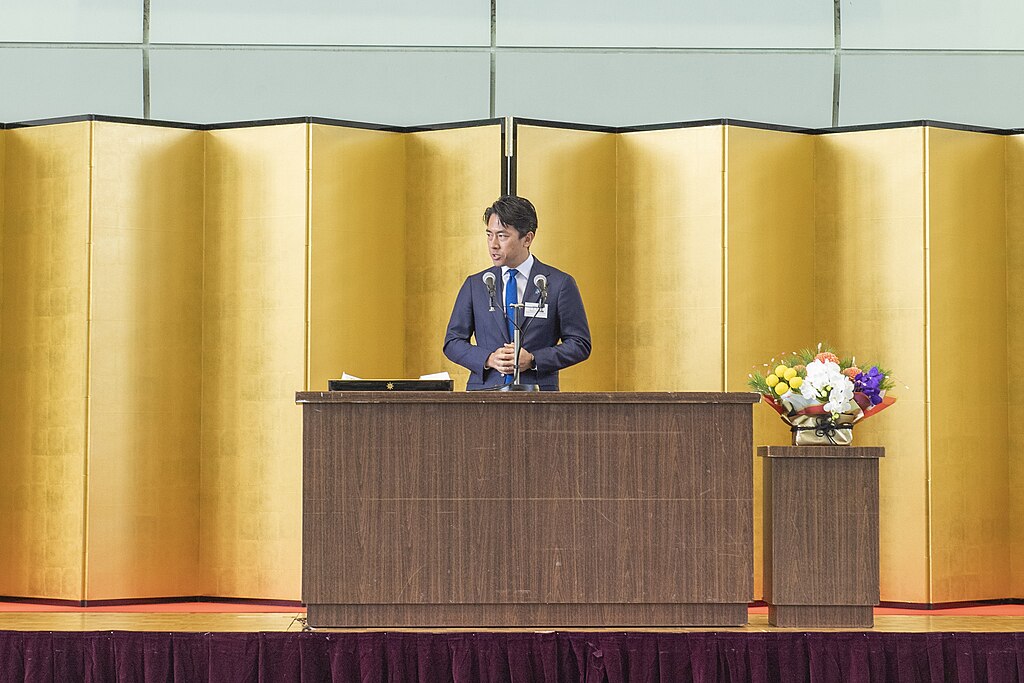
Japan’s political landscape is shifting as key figures enter the race to lead the ruling Liberal Democratic Party (LDP) following Prime Minister Shigeru Ishiba’s resignation. Ishiba stepped down after a string of election defeats weakened the LDP and its coalition partner Komeito, costing them majorities in both houses of parliament.
Farm Minister Shinjiro Koizumi, son of former Prime Minister Junichiro Koizumi, officially declared his candidacy after informing supporters over the weekend. Finance Minister Katsunobu Kato, who fared poorly in last year’s leadership contest, announced he would support Koizumi’s bid to unify the party. Koizumi has recently gained recognition for stabilizing rice prices, a key issue for Japan’s agricultural sector.
Meanwhile, Chief Cabinet Secretary Yoshimasa Hayashi, the government’s top spokesperson, announced his candidacy on social media, pledging to balance stability with growth. His official campaign launch is scheduled for Tuesday afternoon.
The contest is becoming increasingly competitive. Former Foreign Minister Toshimitsu Motegi was the first to declare his candidacy, followed by former Economic Security Minister Takayuki Kobayashi. In addition, former Internal Affairs Minister Sanae Takaichi is expected to join the race this week. Known for her support of government stimulus and monetary easing, Takaichi could make history as Japan’s first female prime minister.
With multiple contenders and a weakened LDP struggling to maintain unity, the upcoming leadership election will play a decisive role in shaping Japan’s political direction. The new party leader, chosen in early October, will also become Japan’s next prime minister, inheriting the challenges of restoring party dominance and addressing economic headwinds.







