


 Germany’s 2026 Growth Outlook Strengthens on Fiscal Spending
  China Agrees to Buy 20 Million Tons of U.S. Coal
  Fed Unveils Stablecoin Rules Under GENIUS Act
  Asian Currencies Mixed as Dollar Holds Near Two-Month High
  Oil Prices Fall on U.S.-Iran Hormuz Deal Hopes
  Oil Prices Jump 3% as Houthi Attack Revives Supply Fears
  Dollar Holds Near Two-Month High as Yen Approaches 160
  U.S. Treasury Yields Surge as 30-Year Hits 22-Year High
  Fed Unveils Stablecoin Rules Under GENIUS Act
  U.S. Dollar Hits Two-Month High as Oil, Treasury Yields Surge
  Gold Holds Near $4,275 as Rising Treasury Yields Fuel Fed Rate Hike Bets
  Asian Stocks Fall as Surging Bond Yields Rattle Markets
  US Comfortable With Canada Trade Standoff as Import Bans Loom
  Trump, Xi Focus on Trade and AI at White House Summit
  Japanese Yen Rebounds as Trump Flags Currency Weakness
  Gold Prices Fall as Treasury Yields Rise on Fed Rate Hike Bets
  Soybean Futures Slip as Traders Await Trump-Xi Trade Signals


 Add as a preferred source on Google
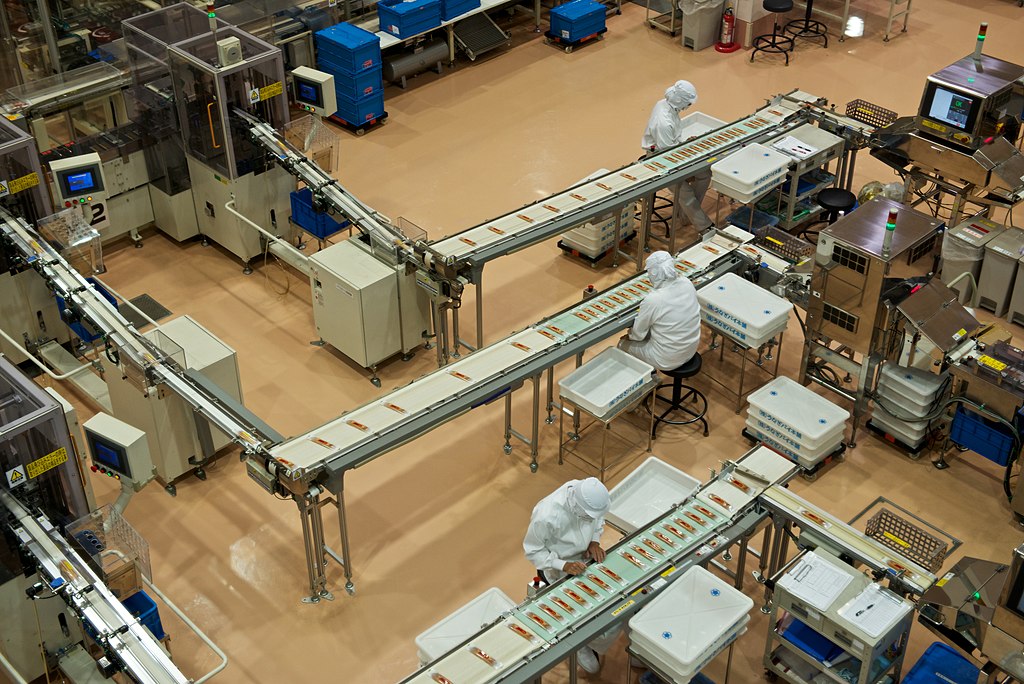
Japan’s core machinery orders dipped 0.6% in May from the previous month, according to data released by the Cabinet Office on Monday. While the month-on-month figure marked a decline, it was better than the 1.5% drop forecasted by economists in a Reuters poll.
Despite the monthly contraction, the year-on-year data showed a more optimistic trend. Core machinery orders—a volatile but key indicator of corporate capital spending over the next six to nine months—rose 4.4% compared to May 2024. This figure exceeded market expectations of a 3.4% increase, signaling potential resilience in Japan’s corporate investment outlook.
The better-than-expected annual growth suggests that Japanese businesses may still be willing to invest in production equipment and infrastructure despite ongoing concerns about global economic uncertainty, supply chain disruptions, and domestic inflation pressures. Machinery orders are closely watched as they offer insight into how companies view the future demand environment.
While the month-on-month decline could reflect short-term caution, particularly amid weak exports and a sluggish yen, the positive year-on-year trend points to underlying confidence in the medium-term economic trajectory.
Japan's machinery order data is a critical gauge for assessing corporate sentiment and capital expenditure plans, which are essential components of GDP growth. Investors, economists, and policymakers monitor this data closely for clues about the health of the country’s manufacturing sector and broader economic momentum.
For the complete breakdown of figures, refer to the official release on the Cabinet Office’s website.







