


 Dollar Holds Near Two-Month High as Yen Approaches 160
  EU Defence Build-Up Too Slow for 2030 Russia Readiness Goal
  Asian Currencies Mixed as Dollar Holds Near Two-Month High
  What ‘Taiwan Independence’ Means as Xi Presses Trump on US Policy
  US Supreme Court Revives Trump Administration Voter Citizenship Database
  US Comfortable With Canada Trade Standoff as Import Bans Loom
  Japanese Bank Stocks Surge as Bond Yields Fuel Rate Hike Bets
  Wall Street Ends Flat as Oil, Treasury Yields and Fed Jitters Rattle Markets
  NATO Boosts Intelligence Sharing Amid Russia Hybrid Threats
  Canadian Dollar Faces Pressure as Fed-BoC Policy Gap Widens
  China’s ‘Lipstick King’ Says AI Won’t Replace Livestream Hosts
  Trump Asks Supreme Court to Restore Third-Country Deportations
  Trump Warns China Against Supporting Iran in Xi Talks
  Xi Calls for Deeper U.S.-China AI Cooperation in Trump Talks
  Najib Razak Seeks Stay of 15-Year 1MDB Prison Sentence
  Fed’s Hammack Says Bond Yield Surge Is Not Driven by Inflation Fears
  France Defends Netanyahu Airspace Clearance Despite ICC Warrant


 Add as a preferred source on Google
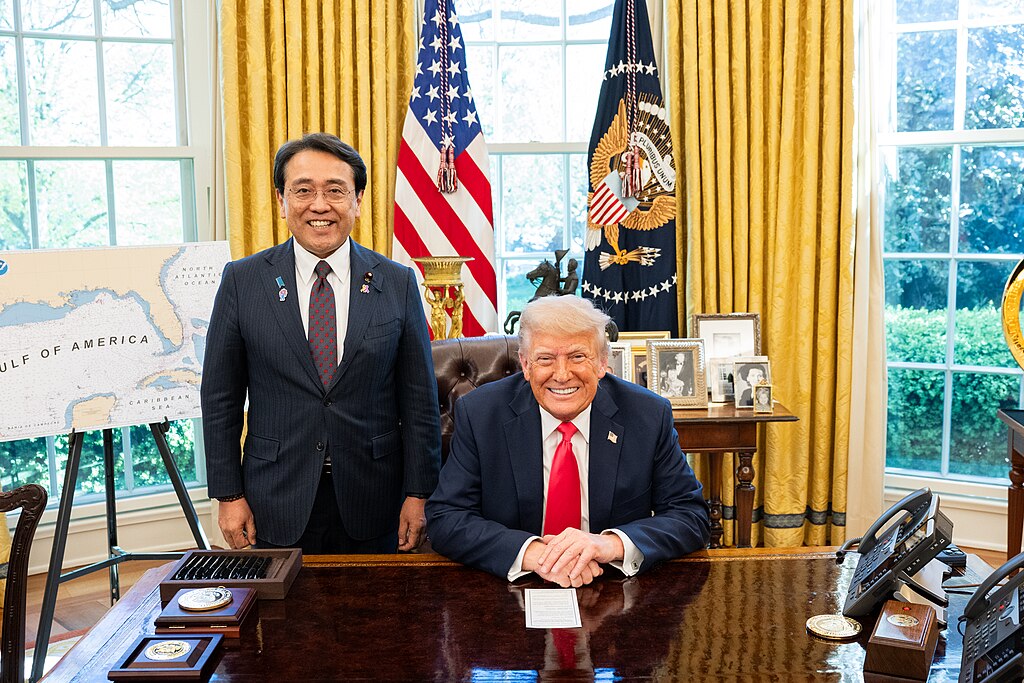
Japan has confirmed plans to implement a massive $550 billion investment package in the United States as part of a recent tariff agreement with Washington. According to Ryosei Akazawa, Japan’s top trade negotiator, the investment will be carefully managed to ensure it does not disrupt the foreign exchange market, a critical concern for global investors and policymakers.
Speaking at the Foreign Correspondents’ Club of Japan, Akazawa emphasized that the size of the package falls within a range that will not cause volatility in currency markets. His remarks highlight Tokyo’s cautious yet confident approach to balancing large-scale economic commitments with financial stability. The assurance comes as both Japan and the United States strengthen trade relations through strategic cooperation aimed at reducing tariffs and boosting mutual investments.
The announcement of the $550 billion initiative underscores Japan’s role as a leading investor in the U.S. economy. By structuring the deal to minimize currency fluctuations, Tokyo aims to avoid sudden yen depreciation or dollar instability, which could have ripple effects across global trade and financial markets. The careful positioning of the plan is also seen as a message to international observers that Japan remains committed to economic stability while deepening its trade alliance with Washington.
Market analysts suggest that the deal will not only foster stronger bilateral ties but also support long-term growth in sectors ranging from technology and infrastructure to clean energy. For Washington, the package represents a significant vote of confidence from one of its key global partners, while for Tokyo, it signals a renewed push to secure economic influence abroad without undermining its own financial system.
By maintaining a balance between aggressive foreign investment and currency stability, Japan is positioning itself as both a reliable partner for the United States and a stabilizing force in international markets.







