


 Taiwan Thanks US for Support Ahead of Trump-Xi Summit
  Mexico-US Trade Talks Delayed to October as Tariff Negotiations Continue
  Netanyahu’s Brief US Trip Highlights Strains With Trump
  Kremlin Says No Decision Yet on Putin-Trump December Summit
  What ‘Taiwan Independence’ Means as Xi Presses Trump on US Policy
  Abbas Reaffirms November 28 Palestinian Elections
  US, China Extend Trade Truce to Jan. 10 Ahead of Trump-Xi Summit
  Oil Prices Surge as U.S.-Iran Diplomacy Hopes Fade
  Sudan Rejects US Legitimacy Remarks, Defends Sovereignty
  Yemen Violence Displaces 130,000 as Civilian Toll Rises
  Netanyahu Defends Israel at UN as Delegates Stage Walkout
  Ukrainian Drone Attacks Hit Russian Regions, Injuring at Least 12
  Oil Prices Ease as Iran Tensions Clash With Diplomacy Hopes
  European Stocks Fall as Bond Yields and Geopolitical Risks Weigh
  North Korea Warns South Korea Over US-Led Defense Role
  US Backs Musk in Fight Against EU’s €120 Million X Fine
  Dollar Holds Near Two-Month High as Yen Approaches 160


 Add as a preferred source on Google
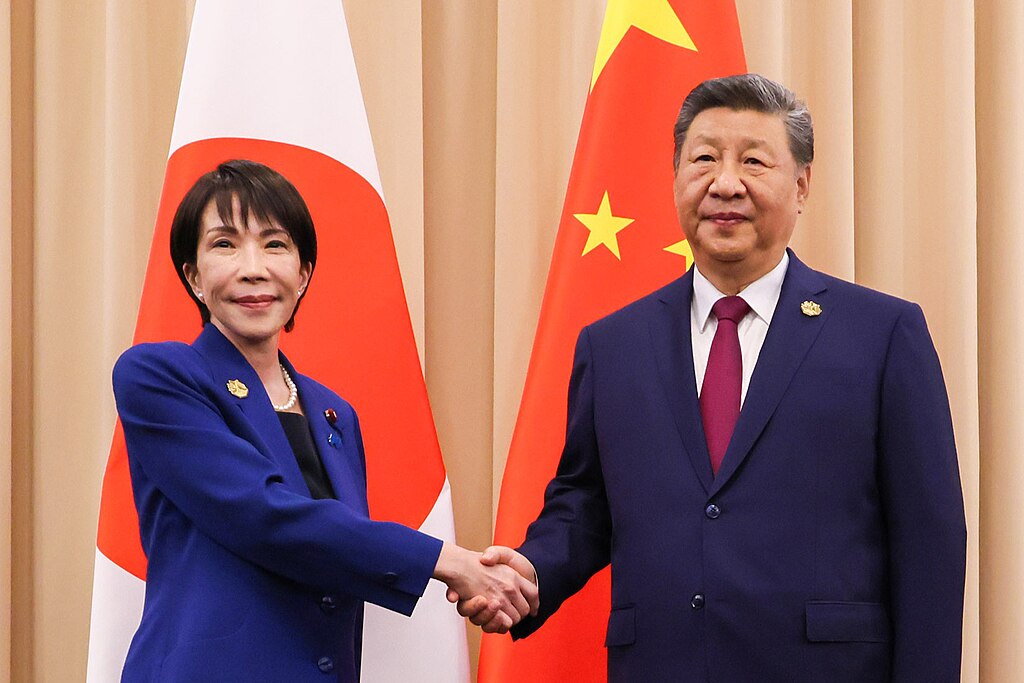
Japan’s new Prime Minister, Sanae Takaichi, is facing one of the most serious diplomatic rifts with China in years after an unscripted comment about how Tokyo might respond to a potential Chinese attack on Taiwan. Although the remark was not intended to signal a shift in Japan’s security stance, officials say it will be difficult for Takaichi to walk it back without appearing weak—especially since the statement was not factually incorrect. Beijing, however, is demanding a retraction she cannot give.
China’s response has been swift and economically painful. It has halted imports of Japanese seafood, cancelled cultural exchanges, and launched a broad travel boycott—actions that could cost Japan more than $14 billion annually. Analysts warn the fallout could mirror the 2012 dispute over the Senkaku/Diaoyu islands, when relations froze for more than two years and Japanese companies in China suffered major financial losses. Many fear a sustained downturn could hit Japan’s automotive and electronics industries especially hard, given China’s dominance in rare earth mineral supplies.
Efforts by Tokyo to ease tensions have so far failed. A recent meeting in Beijing underscored the stiffness of the moment, with Chinese officials openly showing displeasure—even through symbolic gestures such as clothing and posture. Beijing has also intensified personal attacks on Takaichi, with inflammatory rhetoric spreading across state-linked media and social platforms.
Despite the diplomatic storm, Takaichi’s popularity at home remains strong, and her office maintains that Japan’s position on Taiwan has not changed. But experts note she has unintentionally cornered herself, leaving no clear diplomatic exit. Some believe the standoff may continue until China recalibrates its global strategy or seeks leverage in its relationship with the United States.
As tensions rise between Asia’s two largest economies, the long-term economic and geopolitical consequences could reshape regional stability for years to come.







