


 Fonterra Admits Anchor Butter "Grass-Fed" Label Misled Consumers After Greenpeace Lawsuit
  Europe's Aviation Sector on Track to Meet 2025 Green Fuel Mandate
  Ukrainian Drones and the #MadeByHousewives Movement: Kyiv Fires Back at Rheinmetall CEO
  Cybersecurity Stocks Tumble After Anthropic's Claude Mythos AI Leak Sparks Market Fears
  SoftwareONE Posts 22.5% Revenue Surge in 2025 on Crayon Acquisition
  Federal Judge Blocks Pentagon's Blacklisting of AI Company Anthropic
  CTOC Adds 3,000 Doctors, 500 Hospitals Ahead of Liquidity Push
  SpaceX Eyes Historic IPO at $1.75 Trillion Valuation
  Bank of America's $72.5M Epstein Settlement: What You Need to Know
  Luxury Car Sales in the Middle East Take a Hit Amid Iran War
  Brazil Meat Exports Weather Iran War Disruptions With Rerouted Shipments
  Microsoft Eyes $7B Texas Energy Deal to Power AI Data Centers
  McDonald's and Restaurant Brands International Face Headwinds Amid Iran Conflict and Rising Costs
  Cathay Pacific Holds Firm on Flight Capacity Amid Middle East Conflict and Rising Fuel Costs
  TSMC Japan's Second Fab to Produce 3nm Chips by 2028
  Trump Administration Plans 100% Tariffs on Pharmaceutical Imports
  Norma Group Posts Revenue Decline in 2025, Eyes Modest Recovery in 2026


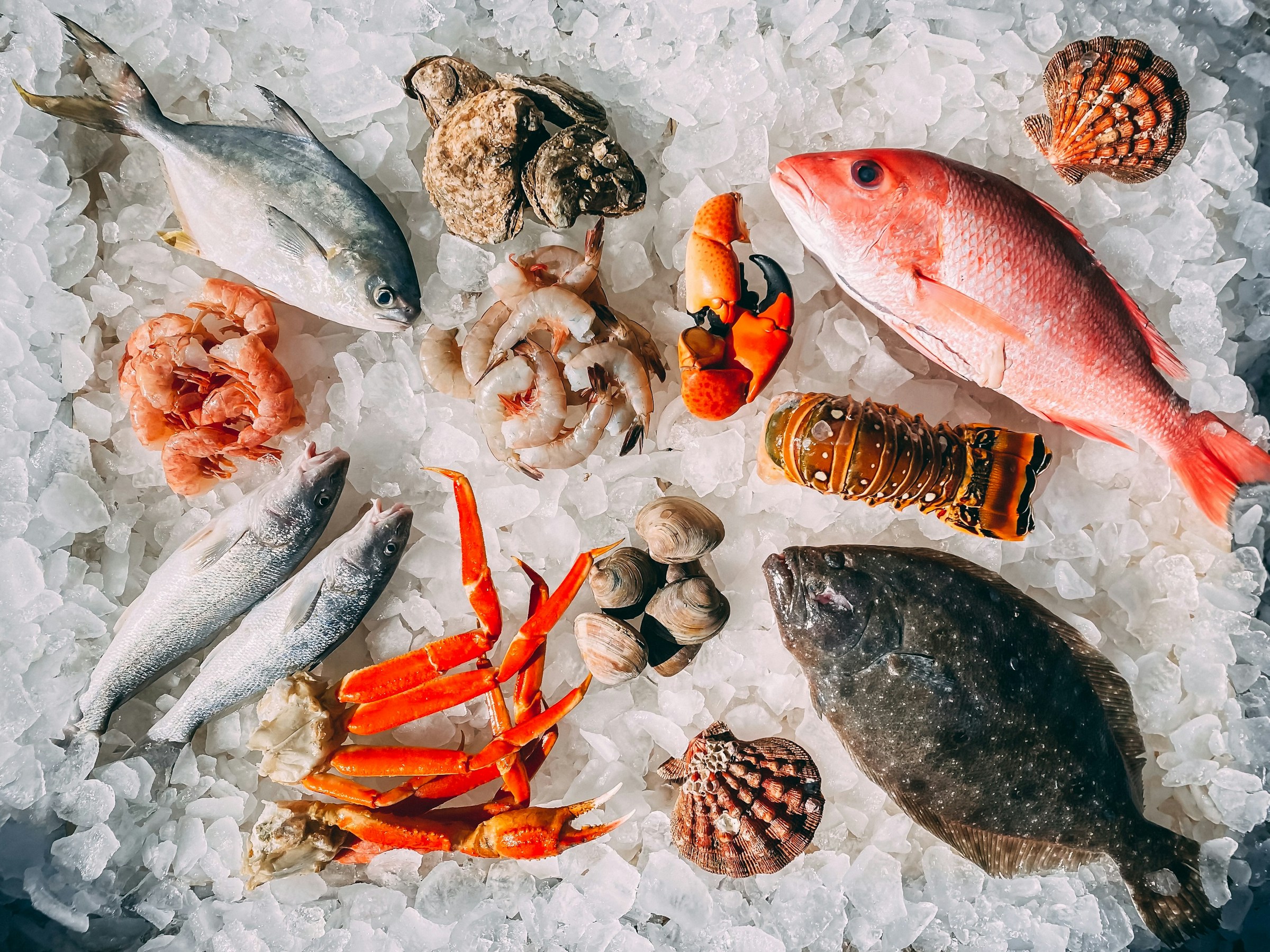
Japan's seafood industry faces a significant shift following China's ban on marine product imports. The ban, triggered by the Fukushima nuclear plant's treated water release, has prompted Japan to seek new export markets.
Yasuhiro Yamazaki, president of Yamaharu Co at Tokyo's Toyosu fish market, found his sales halved due to the ban. Yamazaki embarked on a global search for new customers in Hawaii, Los Angeles, Houston, Singapore, and Malaysia.
Positive Response to Japanese Seafood
Japan Today reported that countries welcomed Japan's premium seafood offerings despite initial challenges. Splendid alfonsino, blackthroat seaperch, and bluefin tuna parts garnered praise, leading to sales recovery and growth.
Japan's efforts to counter the ban's impact included a promotional event in Sao Paulo, Brazil. Local importers showed interest in Japanese scallops and yellowtail, appreciating their unique flavors.
China's Import Ban Impact
According to the Japan Times, China's ban heavily affected Japan's seafood exports, particularly scallops. Approximately a quarter of Japan's seafood exports, with over half meant for China, revolve around scallops.
To mitigate losses, Japan explores alternate processing and export routes. One approach involves processing scallops in Mexico for the U.S. market, shifting away from China-based processing.
Adaptation Amid Challenges
Despite the hurdles, Japan's seafood industry exhibits resilience and adaptability in the face of trade disruptions. The industry's proactive measures aim to sustain growth and market presence.
Global Market Dynamics
The situation underscores the complex dynamics of global trade and the need for diversification. Japan's adaptive strategy seeks to overcome the immediate challenge posed by China's ban and aims to build a more robust export portfolio. This approach reflects a growing recognition among global seafood markets of the importance of resilience in the face of geopolitical tensions and environmental concerns.
By exploring new markets and adapting to changing circumstances, Japan's seafood industry models how sectors dependent on international trade can pivot and thrive despite adversity.
Photo: Mike Bergmann/Unsplash







