


 Zara Owner Inditex Sales Rise 9% in August
  Nvidia CEO Says AGI Has Arrived With OpenAI GPT-6 Astra
  Nvidia-Groq AI Chip Deal Faces U.S. Antitrust Probe
  GLP-1 Weight-Loss Drug Use Surges Among U.S. Children
  Elon Musk’s Boring Company Raises $3 Billion at $23 Billion Valuation
  The UK is surprisingly short of water – but more reservoirs aren’t the answer
  Amazon Prime Air Cargo Plane Crash Kills Five at Miami Airport
  Wildfires ignite infection risks, by weakening the body’s immune defences and spreading bugs in smoke
  How ongoing deforestation is rooted in colonialism and its management practices
  TetherMax Expands into Asian Market Following Rebranding, Names Actor Yun Siyun as Brand Ambassador
  US Bans Canadian Alcohol, Motorcycles as Trade War Escalates
  Burkina Faso and Mali’s fabulous flora: new plant life record released
  ECB Rate Hike in Focus as Oil Tops $100
  Japanese Yen Nears Seven-Month High as Oil Approaches $100
  Drug pollution in water is making salmon take more risks – new research
  Blackstone Eyes $2 Billion ZO Skin Health Sale


 Add as a preferred source on Google
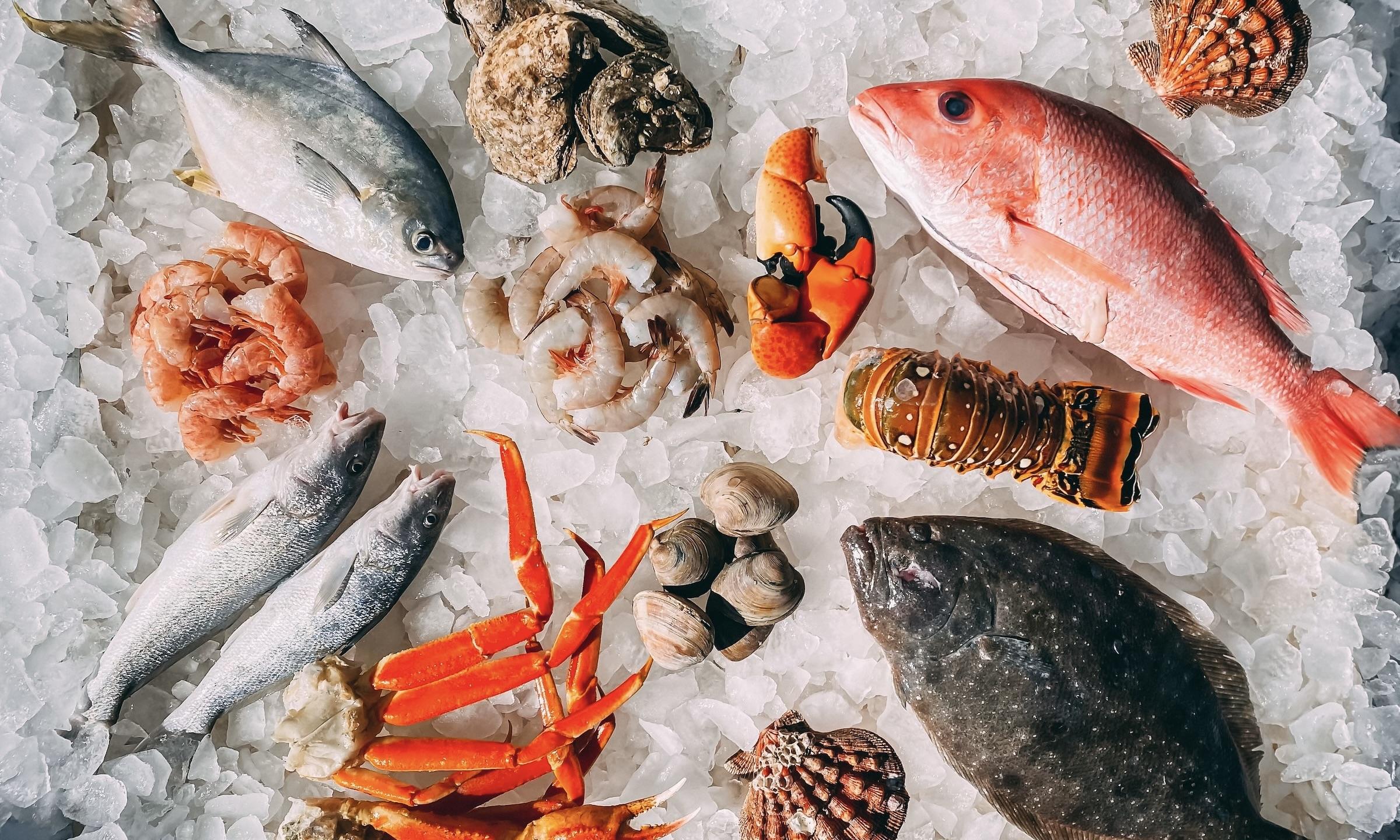
South Korean imports of Japanese seafood fell by over 30% last month, data reveals, amid ongoing concerns over Japan's planned release of treated radioactive water from the Fukushima nuclear plant. The Korean ban on imports from eight adjacent prefectures persists.
South Korea has banned seafood imports from eight Fukushima-neighboring prefectures since 2013 due to radiation concerns. In May, imports of fishery products from Japan reached 2,129 tons, marking a 30.6% decline compared to last year; imports also fell by 1.8% to US$14.06 million.
While South Korea is committed to keeping its citizens safe, it has made it clear that the Fukushima water release should be considered separately from the existing import ban, overturning which would require solid proof of safety.
According to recent data, seafood imports plummeted by a staggering 26 percent on-year in volume and 9.7 percent in value this April. What triggered this sharp drop? Well, it turns out that Japan's planned discharge of radioactive water from the Fukushima Daiichi nuclear power plant has gotten people a bit concerned.
Of course, South Korea isn't taking any chances after banning all seafood imports from eight Japanese prefectures near Fukushima back in 2013 due to concerns over radiation levels. South Korea has made it clear that it won't lift the ban on these imports without proof that the seafood from the area is safe. As far as they're concerned, the Fukushima water release should be considered separately from the import ban.
Recently, the operator of the Fukushima plant ran tests for its newly built facilities that would discharge treated radioactive wastewater into the Pacific Ocean, a move that drew strong opposition from local fishermen and neighboring countries.
But, after years of research, scientists are confident that releasing the treated wastewater would actually be both safe and sensible. "Japan is preparing to release treated wastewater from the Fukushima nuclear power plant into the Pacific Ocean," said Associate Professor Nigel Marks with Curtin University.
At first glance, this may seem alarming, but in actuality, it is a well-planned strategy that considers all safety measures. Despite initial concerns, this move will not only improve the state of the local fisheries but also benefit the larger community.
Photo: Mike Bergmann/Unsplash







