


 Gold Prices Hover Near Three-Month High as Oil, Treasury Yields Fall
  Google promotes ‘teacher approved’ apps for kids. Here’s what parents should know
  US Dollar Rises as Inflation Backs Fed Pause, Canadian Dollar Slides
  Hong Kong Home Prices Fall 0.5% in July, Ending Long Winning Streak
  Parasites are ecological dark matter – and they need protecting
  How is Antarctica melting, exactly? Crucial details are beginning to come into focus
  US-Canada Tariff War Escalates With 50% Auto Duties
  The American mass exodus to Canada amid Trump 2.0 has yet to materialize
  Extreme heat, flooding, wildfires – Colorado’s formerly incarcerated people on the hazards they faced behind bars
  How ongoing deforestation is rooted in colonialism and its management practices
  Asian Currencies Slip as Dollar Rebounds on Iran Sanctions
  Burkina Faso and Mali’s fabulous flora: new plant life record released
  Asian Chip Stocks Mixed After Nvidia Earnings Beat
  US Stocks Finish Flat as Inflation Data, Nvidia Earnings Keep Investors Cautious
  Heritage, desire and diplomacy: why China still values scotch whisky
  AI is driving down the price of knowledge – universities have to rethink what they offer


 Add as a preferred source on Google
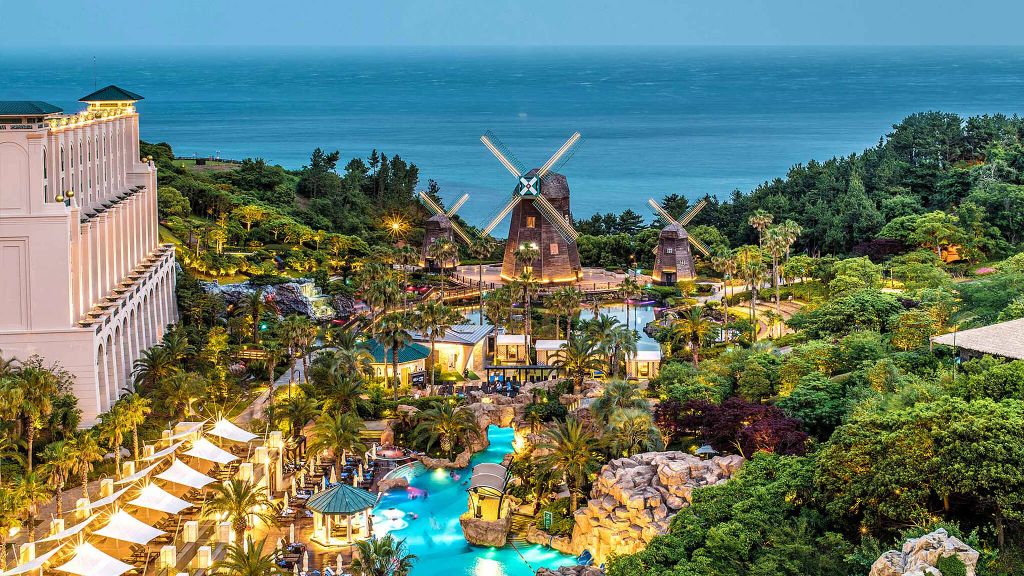
Demand for Jeju Island seafood and tourism is expected to drastically drop once Japan releases radioactive water from the Fukushima nuclear power plant into the ocean in April.
A nationwide survey by the Jeju Research Institute showed that 49.1 percent of 1,000 surveyed intended to reduce purchases of seafood from Jeju.
Of the respondents, 50.4 percent would cut back on buying conch, 48.4 percent on cutlassfish, 47.6 percent on yellow corvina, and 47.5 percent on halibut.
Jeju island’s fishing industry is expected to sustain losses of 448.3 billion won each year.
About half of the respondents also said they would reduce spending on tourism in Jeju.
Almost all of the respondents were aware of Japan’s decision to release the radioactive water.







