


 Australia Unemployment Hits Five-Year High Despite Strong Jobs Growth
  US Stock Futures Fall as Treasury Yields Surge Ahead of Trump-Xi Summit
  European Stocks Fall as Bond Yields and Geopolitical Risks Weigh
  Japanese Bank Stocks Surge as Bond Yields Fuel Rate Hike Bets
  Trump, Xi Focus on Trade and AI at White House Summit
  Japan Private-Sector Growth Slows as Domestic Demand Weakens
  RBI Uses $10 Billion Currency Swaps to Drain Excess Rupee Liquidity
  U.S. Treasury Yields Surge as 30-Year Hits 22-Year High
  Fed’s Hammack Says Bond Yield Surge Is Not Driven by Inflation Fears
  Gold Holds Near $4,275 as Rising Treasury Yields Fuel Fed Rate Hike Bets
  Oil Prices Ease as Iran Tensions Clash With Diplomacy Hopes
  South Korea, US Discuss Warship Building Cooperation
  Dollar Holds Near Two-Month High as Yen Approaches 160
  Asian Stocks Fall as Bond Yields Surge Ahead of Trump-Xi Summit
  Wall Street Ends Flat as Oil, Treasury Yields and Fed Jitters Rattle Markets
  Soybean Futures Slip as Traders Await Trump-Xi Trade Signals


 Add as a preferred source on Google
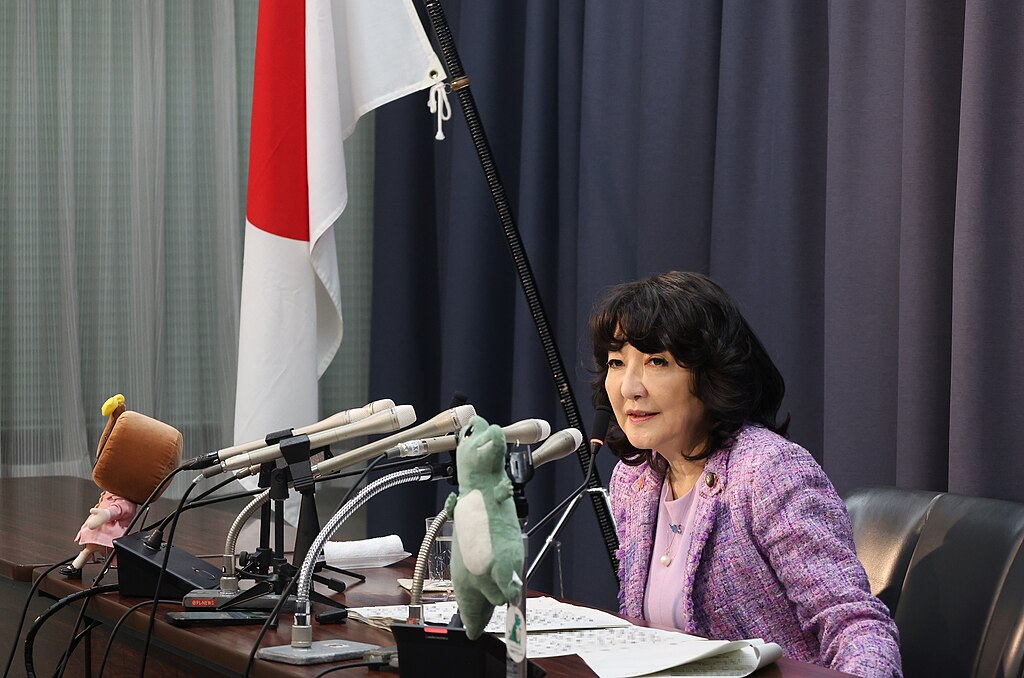
Japan’s Finance Minister Satsuki Katayama has raised serious concerns over the rapid weakening of the Japanese yen, describing its recent movement as a “one-sided depreciation,” during a meeting with U.S. Treasury Secretary Scott Bessent in Washington. The comments came after the yen fell to one-year lows against the U.S. dollar, intensifying market attention on Japan’s currency policy and global financial stability.
Speaking to reporters following a bilateral discussion held on the sidelines of a multilateral meeting focused on critical mineral supply chains, Katayama said she clearly conveyed Tokyo’s unease about the yen’s sharp decline. According to her remarks, Secretary Bessent acknowledged and shared Japan’s concerns, signaling alignment between the two countries on the risks posed by excessive currency volatility. Currency stability remains a key issue for Japan, as a rapidly weakening yen can drive up import costs, fuel inflation, and disrupt economic planning.
The yen’s decline accelerated after reports emerged that Japanese Prime Minister Sanae Takaichi may call a snap general election as early as February. The move is widely seen as an attempt to capitalize on her strong approval ratings and secure a mandate for expansionary fiscal policies. Following the report, the U.S. dollar surged above the 158 yen level, reaching its highest point in a year and adding pressure on Japanese authorities.
Beyond currency issues, Katayama also used the multilateral meeting to voice Japan’s objections to China’s recent export restrictions. She criticized Beijing’s ban on exports of certain dual-use items destined for Japan’s military, which may include critical minerals essential for both civilian and defense applications. Katayama warned that the restrictions are problematic due to their broad scope, vague language, and inclusion of re-export controls that could affect third countries, including those represented at the meeting.
The discussions highlight growing global concerns over currency fluctuations, geopolitical tensions, and supply chain security, particularly in critical minerals. As Japan and the United States continue close coordination on economic and strategic issues, markets will be watching closely for any policy signals aimed at stabilizing the yen and addressing trade restrictions that could impact global growth.







