


 Fed Unveils Stablecoin Rules Under GENIUS Act
  Oil Prices Fall on U.S.-Iran Hormuz Deal Hopes
  Ukrainian Drone Attacks Hit Russian Regions, Injuring at Least 12
  Asian Currencies Mixed as Dollar Holds Near Two-Month High
  Wall Street Ends Flat as Oil, Treasury Yields and Fed Jitters Rattle Markets
  China’s ‘Lipstick King’ Says AI Won’t Replace Livestream Hosts
  US Comfortable With Canada Trade Standoff as Import Bans Loom
  Colombia Extradites FARC Dissident Leader ‘Spider’ to US
  Canadian Dollar Faces Pressure as Fed-BoC Policy Gap Widens
  Pezeshkian Says US Must Choose When Iran War Ends
  RBI Uses $10 Billion Currency Swaps to Drain Excess Rupee Liquidity
  Dollar Holds Near Two-Month High as Yen Approaches 160
  Oil Prices Ease as Iran Tensions Clash With Diplomacy Hopes
  Japan Private-Sector Growth Slows as Domestic Demand Weakens
  Asian Stocks Fall as Bond Yields Surge Ahead of Trump-Xi Summit
  U.S. Treasury Yields Surge as 30-Year Hits 22-Year High
  Pope Leo Backs Press Freedom After White House Media Ban


 Add as a preferred source on Google
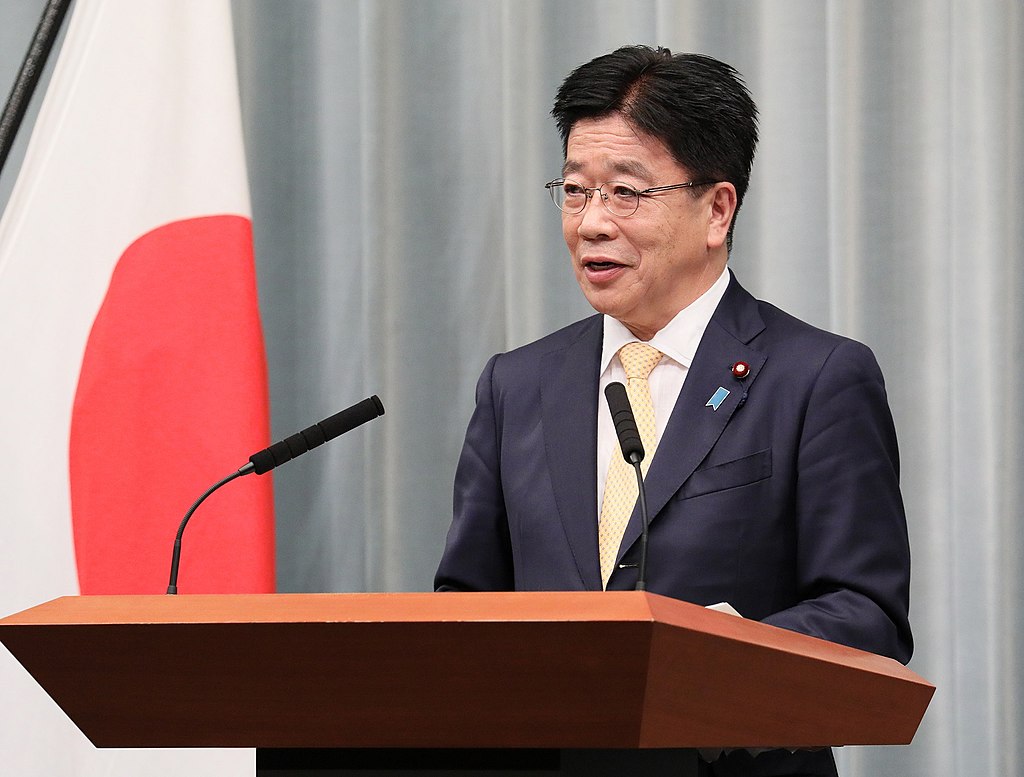
Japan’s Finance Minister Katsunobu Kato has emphasized the need for a new economic strategy tailored to the country’s shifting conditions, where inflation has replaced deflation as the primary concern. Speaking at a regular press conference on Tuesday, Kato acknowledged that the environment underpinning Japan’s economy has significantly changed since the era of “Abenomics.”
Introduced in 2013 under former Prime Minister Shinzo Abe, Abenomics combined bold monetary easing, aggressive fiscal spending, and structural reforms to lift Japan out of decades-long deflation. While the policies helped stimulate growth, they also expanded Japan’s already massive government debt. Kato noted that such measures may no longer align with Japan’s current economic reality.
“Inflation, rather than deflation, has become a challenge for us now,” Kato said. “It is necessary to develop policies that are appropriate for the current circumstances.”
The remarks come shortly after Sanae Takaichi, a staunch Abenomics supporter, was elected as the new leader of the Liberal Democratic Party (LDP). Her victory raised expectations that the government will maintain reflationary policies, softening market bets on a near-term interest rate hike. Consequently, Japanese stocks rose while the yen weakened, reflecting investor anticipation of continued monetary easing.
Addressing concerns over the currency’s sharp decline, Kato reaffirmed that the government will closely monitor foreign exchange movements and act against excessive volatility. “We’ve been seeing rapid moves toward a weaker yen,” he said, stressing the importance of stability and alignment with economic fundamentals.
As Japan navigates a new phase of economic challenges, policymakers face the delicate task of balancing inflation control, fiscal sustainability, and currency stability — a stark contrast to the deflation-focused strategies that once defined the nation’s economic agenda.







