


 US Comfortable With Canada Trade Standoff as Import Bans Loom
  Asian Stocks Fall as Surging Bond Yields Rattle Markets
  US 10-Year Treasury Yield at 6% Emerges as New Market Risk Threshold
  China’s ‘Lipstick King’ Says AI Won’t Replace Livestream Hosts
  Asian Stocks Fall as Bond Yields Surge Ahead of Trump-Xi Summit
  Soybean Futures Slip as Traders Await Trump-Xi Trade Signals
  U.S. Dollar Hits Two-Month High as Oil, Treasury Yields Surge
  Gold Holds Near $4,275 as Rising Treasury Yields Fuel Fed Rate Hike Bets
  US Stock Futures Fall as Treasury Yields Surge Ahead of Trump-Xi Summit
  RBI Uses $10 Billion Currency Swaps to Drain Excess Rupee Liquidity
  Australia Unemployment Hits Five-Year High Despite Strong Jobs Growth
  Asian Currencies Mixed as Dollar Holds Near Two-Month High
  Oil Prices Jump 3% as Houthi Attack Revives Supply Fears
  Japanese Bank Stocks Surge as Bond Yields Fuel Rate Hike Bets
  Japanese Yen Rebounds as Trump Flags Currency Weakness


 Add as a preferred source on Google
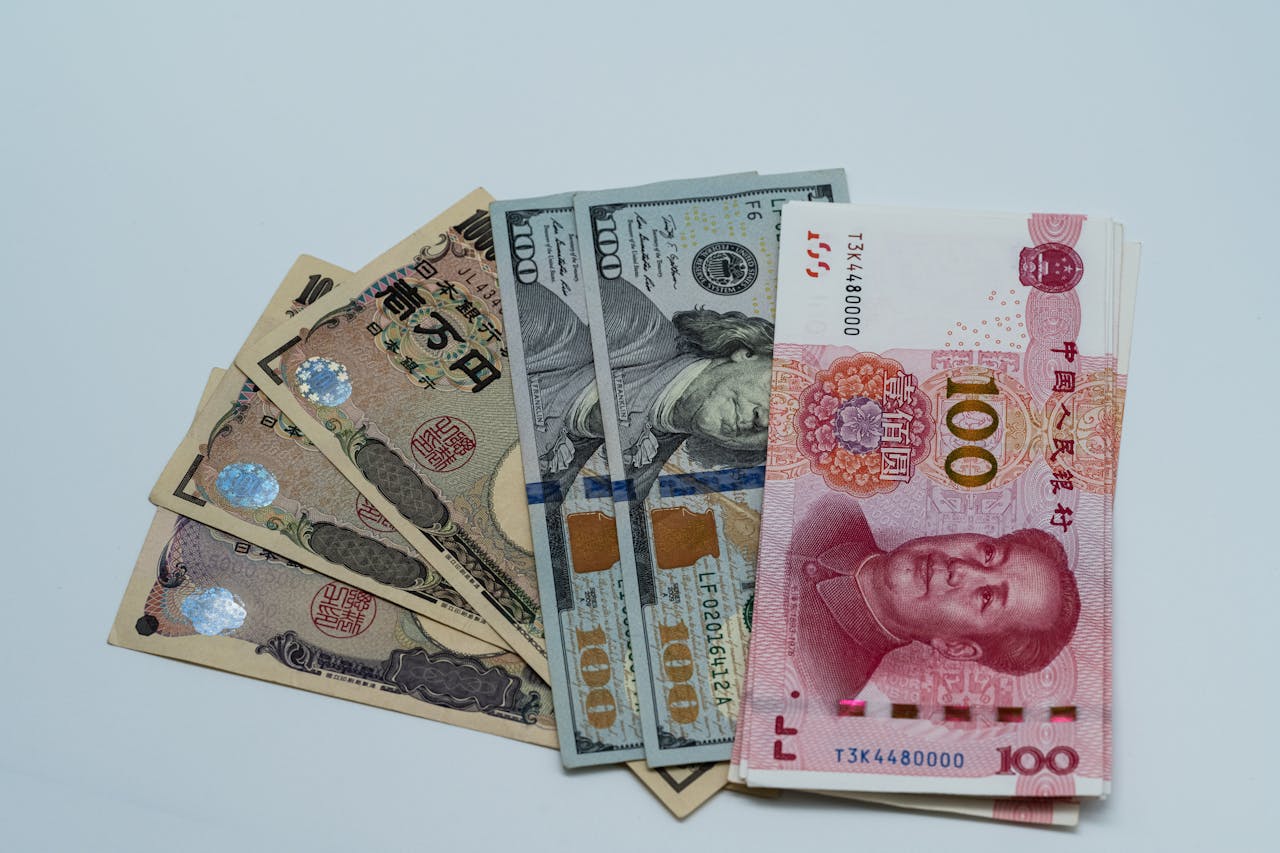
Japan may take a more proactive stance in the currency market as the yen continues to slide, according to Takuji Aida, a private-sector member of a key government advisory panel. Speaking on NHK, Aida said Japan’s ample foreign reserves give policymakers the ability to intervene more aggressively to curb excessive yen weakness. He noted that the government “can become active in tapping” these reserves to carry out yen-buying operations aimed at reducing the economic strain caused by a depreciating currency.
Aida, who advises Prime Minister Sanae Takaichi and serves as chief Japan economist at Crédit Agricole, supports a strategy centered on maintaining low interest rates and boosting fiscal spending, even if it requires increased debt issuance. He has previously argued—most notably in an interview with Reuters on October 9—that a weaker yen can benefit Japan by strengthening export competitiveness. According to him, rising import costs that burden households can be countered through bold government spending.
However, the yen’s ongoing decline—down roughly 6% since Takaichi became party leader—has heightened market fears about Japan’s fiscal discipline. Investors worry that major stimulus plans and additional government borrowing could put further pressure on Japan’s finances. The weaker currency, while helpful for exporters, has become a key challenge for policymakers concerned about its inflationary effects, particularly the rising cost of imported goods.
Last week, Finance Minister Satsuki Katayama signaled a sharper shift in tone by warning that Tokyo may intervene if the yen continues to drop, especially as it touched 10-month lows against the U.S. dollar. This marks a departure from the administration’s earlier tolerance for the yen’s depreciation.
With Aida’s influence on Takaichi’s advisory panel, expectations are growing that Japan may blend accommodative economic policy with targeted intervention to stabilize the currency and protect consumers from further inflation.







