


 Merz Pushes Faster Reforms to Revive German Economy
  US Launches ‘Economic Onslaught’ Against Iran With New Sanctions
  UK Economy Shows Strength as Burnham Gets Early Boost
  Iran Allows Iraqi Oil Tankers Through Strait of Hormuz
  Syria, Israel Resume US-Mediated Security Talks in Jordan
  Oil Prices Retreat as Markets Await Tougher Iran Sanctions
  Zelenskiy Sees U.S. Mediation Window for Ukraine Peace Through Summer 2027
  Trump Vows Tougher Iran Sanctions as US Weighs New Economic Pressure
  Indian Sugar Stocks Surge on Tight Supply, Festive Demand
  Trump Buys SpaceX Shares After Record IPO
  Iran Vows Retaliation as U.S. Expands Sanctions Pressure
  Israel Targets Suspected Terrorist in Southern Syria
  UK, France Pledge Stronger Military Support for Ukraine
  Dollar Hovers Near Multi-Month Lows as Treasury Buybacks Rattle Markets
  Donald Trump’s North Korea Outreach Raises Asia Alliance Concerns
  Oil Prices Edge Higher as US-Iran Sanctions Fuel Supply Concerns
  RBA Debated Rate Hike as Inflation Risks Persist


 Add as a preferred source on Google
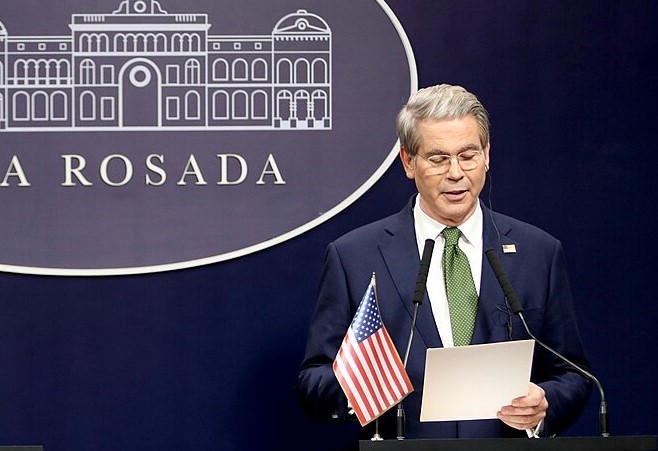
U.S. Treasury Secretary Scott Bessent unveiled a sweeping new sanctions campaign against Iran on Monday, targeting Tehran’s oil exports, military procurement, cyber operations and international financial networks while warning foreign trading partners of potential penalties.
The Treasury Department described the measures as an “economic onslaught” designed to increase pressure on Iran. However, the announcement stopped short of imposing some of the harshest possible restrictions and did not identify which countries could face additional sanctions or when they might take effect.
Washington said it will establish timelines for governments to reduce or end economic activity with Iran. Foreign companies and financial institutions accused of facilitating sanctions evasion or money laundering could also lose access to the U.S. financial system.
The expanded secondary sanctions framework covers a broader range of Iran-related activities, including cryptocurrency and other digital assets, technology, gold, aviation and shipping. The rules could affect companies, individuals and organizations regardless of where they operate.
The Treasury’s Office of Foreign Assets Control added nearly 60 Iran-linked individuals, entities and vessels to its sanctions lists. Targets include networks allegedly supporting Iran’s ballistic missile and nuclear programs, cyber groups accused of attacking U.S. infrastructure, and businesses involved in Iranian oil exports.
More than 20 sanctions focus on entities and individuals across Asia and the Middle East accused of providing financial or logistical assistance for Iranian nuclear research and missile development. China-based companies allegedly supplying dual-use goods to a sanctioned Iranian technology institute were among those targeted.
Washington also intensified efforts to disrupt Iran’s oil trade by sanctioning vessel brokers, bunkering providers and financial intermediaries, including entities in the United Arab Emirates, Singapore and Hong Kong.
Five tankers identified by the Treasury as part of Iran’s “shadow fleet” were designated blocked property. The designation generally prohibits U.S. persons from conducting financial transactions involving those vessels.
The latest U.S. sanctions significantly broaden Washington’s economic pressure campaign, increasing risks for companies and governments that continue doing business with Iran.







