


 Japan Firms Ramp Up Yen Hedging as Currency Weakness Persists
  Australia Inflation Beats Forecasts, Raising RBA Rate Hike Risk
  Oil Prices Slide on U.S.-Iran Ceasefire Reports, Hormuz Talks
  US Stocks Finish Flat as Inflation Data, Nvidia Earnings Keep Investors Cautious
  Asian Currencies Mixed as Aussie Dollar Rises on Hot Inflation
  Carney’s Trump Tariff Pushback Wins Canadian Support, but Economic Risks Mount
  ECB Rate Hike Bets Rise as Inflation Risks Persist
  Oil Prices Edge Higher as US-Iran Sanctions Fuel Supply Concerns
  Gold Prices Hover Near Three-Month High as Oil, Treasury Yields Fall
  Asian Stocks Rebound as Oil Prices Fall, Nvidia Earnings in Focus
  US-Canada Tariff War Escalates With 50% Auto Duties
  Asian Energy Stocks Slide as Iran-Oman Hormuz Talks Pressure Oil Prices
  RBA Debated Rate Hike as Inflation Risks Persist
  UK Economy Shows Strength as Burnham Gets Early Boost
  Gold Hits Three-Month High as Treasury Moves Fuel Rally
  Dollar Rises as Hotter PCE Inflation Lifts Fed Rate Hike Bets
  Unitree Shares Plunge 45% After Blockbuster IPO, Raising China Tech Bubble Fears


 Add as a preferred source on Google
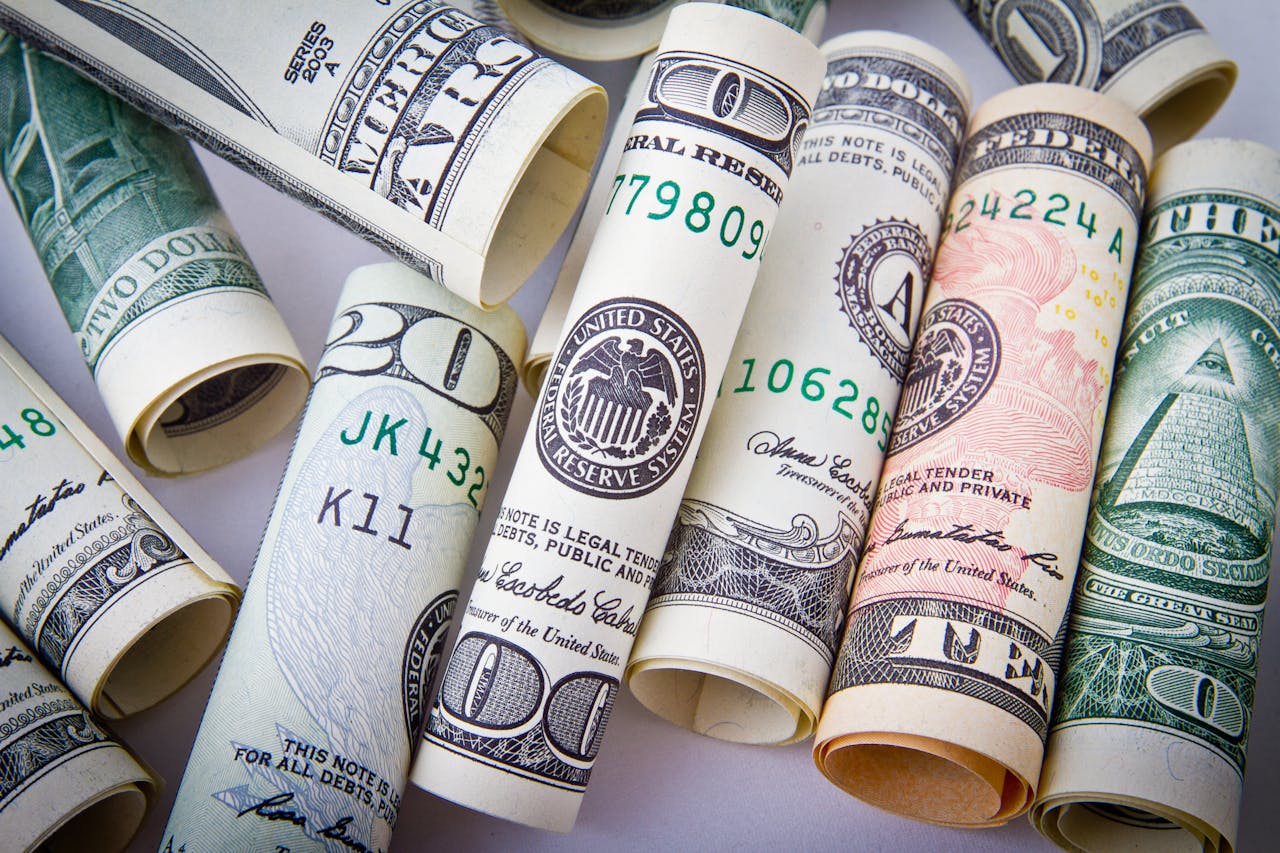
The U.S. dollar strengthened on Wednesday as mixed July inflation data reinforced expectations that the Federal Reserve could keep interest rates unchanged in September. Meanwhile, the Canadian dollar weakened again as escalating U.S.-Canada trade tensions weighed on sentiment.
The U.S. dollar index, which measures the greenback against six major currencies, rose 0.3% to 99.16 by 15:44 ET.
Data from the Bureau of Economic Analysis showed the core Personal Consumption Expenditures (PCE) price index increased 0.2% month over month and 3.3% annually in July, matching forecasts. Headline PCE inflation rose 0.2% monthly and 3.7% year over year, slightly exceeding expectations.
The U.S. economy also remained resilient. Second-quarter GDP growth was unrevised at 1.5%, while durable goods orders climbed 1.1% in July, beating expectations for a 0.4% increase.
The combination of persistent inflation and steady economic activity strengthened expectations for a Fed pause. CME FedWatch data showed the probability of policymakers holding rates steady in September increased to nearly 64%, from around 60% a day earlier.
The dollar's advance follows a volatile period for U.S. bonds and currencies. The dollar index lost nearly 1% last week as concerns about rising government debt and fiscal sustainability encouraged investors to seek alternatives such as gold and cryptocurrencies. Markets are now awaiting Fed Chair Kevin Warsh's Jackson Hole speech on Friday for further signals on monetary policy.
In currency markets, the Canadian dollar remained under pressure after U.S.-Canada trade negotiations collapsed and both countries imposed retaliatory tariffs. USD/CAD rose 0.3% to 1.3877 as President Donald Trump renewed criticism of Canada's trade relationship with the United States.
Elsewhere, USD/JPY edged 0.1% higher to 159.34, while the euro fell 0.2% to $1.1651. The Australian dollar gained 0.1% to $0.7172 after Australian annual inflation slowed to 3.5% in July from 3.8% in June.







