


 RBA Debated Rate Hike as Inflation Risks Persist
  US Launches ‘Economic Onslaught’ Against Iran With New Sanctions
  Taiwan Foreign Minister Heads to Palau for Pacific Islands Summit Events
  Zelenskiy Sees U.S. Mediation Window for Ukraine Peace Through Summer 2027
  UK, France Pledge Stronger Military Support for Ukraine
  U.S. Unleashes New Iran Sanctions, Targets Oil, Crypto and Trade Networks
  Australia Inflation Beats Forecasts, Raising RBA Rate Hike Risk
  Asian Currencies Mixed as Aussie Dollar Rises on Hot Inflation
  US Removes Syria From Terrorism Sponsor List
  Indian Sugar Stocks Surge on Tight Supply, Festive Demand
  Israeli Strikes Kill Two in Gaza as Tensions Rise
  Oil Prices Fall as Middle East Ceasefire Hopes Rise
  Pakistan, Iran Report Progress in Talks to End U.S.-Israeli War
  ECB Rate Hike Bets Rise as Inflation Risks Persist
  European Allies Seek to Reassure Pentagon as US Reviews Troop Presence
  US Raises Concerns Over Chinese Artist Gao Zhen’s Prison Sentence
  Netanyahu Says Iran Tried to Kill His Son


 Add as a preferred source on Google
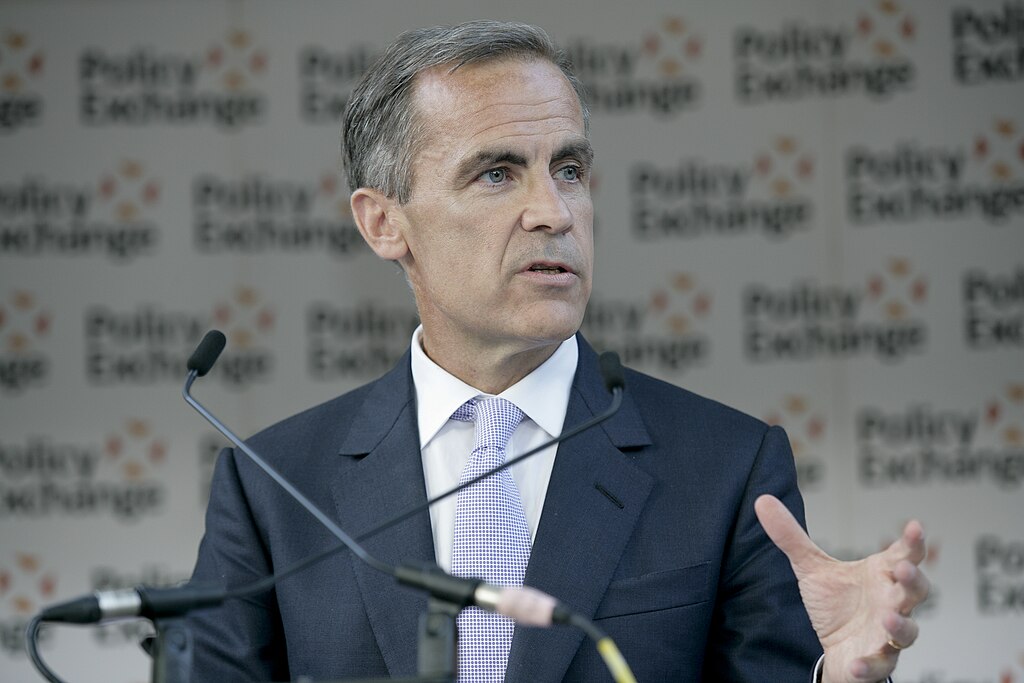
Canadian Prime Minister Mark Carney is enjoying strong public support after suspending trade negotiations with the United States and retaliating against President Donald Trump’s tariffs. However, economists warn that worsening job losses, inflation and factory closures could eventually weaken Canadians’ willingness to sustain the trade fight.
Carney’s government announced dollar-for-dollar counter-tariffs on $20 billion of U.S. goods on Tuesday, alongside C$7.5 billion ($5.41 billion) in economic support measures. Canada has taken a tougher approach than many U.S. trading partners despite sending roughly 70% of its exports to American buyers.
An Angus Reid poll showed 76% of Canadians supported Carney’s decision to halt trade talks, although 40% expressed concern that their jobs could be at risk.
Julian Karaguesian, a former Canadian Finance Ministry adviser and McGill University economics professor, warned that Carney’s negotiating leverage could decline if the trade war leads to higher unemployment, declining incomes and factory shutdowns. The U.S. economy is approximately 13 times larger than Canada’s.
The latest tensions followed last-minute U.S. changes to a tentative Canada-U.S. trade agreement. Carney said Washington sought adjustments involving auto tariffs, French-language requirements and Canada’s ability to negotiate trade deals with other countries.
Canada’s economy has so far absorbed U.S. tariffs on steel, aluminum, autos and lumber, while many exports previously remained protected under the U.S.-Mexico-Canada Agreement. Unemployment fell to a two-year low of 6.4% in July, and economists expect second-quarter economic growth data to show a strong rebound.
Still, University of Calgary economist Trevor Tombe estimates Trump’s latest tariffs, affecting about 5% of Canadian exports, could eventually cost 90,000 jobs. Canada’s central bank has also warned that a U.S. withdrawal from USMCA could push the Canadian economy into recession.
Carney could face further political pressure if Republicans retain congressional power in the November midterm elections. Even with continued public anger toward Trump, rising food prices, housing costs and unemployment could eventually increase demands for Canada to negotiate a new trade deal with Washington.







