


 Russian Envoy Dmitriev Heads to US for Ukraine Talks
  Australia Unemployment Hits Five-Year High Despite Strong Jobs Growth
  US 10-Year Treasury Yield at 6% Emerges as New Market Risk Threshold
  U.S. 10-Year Treasury Yield Hits 2007 High as Fed Rate Hike Bets Rise
  EU Defence Build-Up Too Slow for 2030 Russia Readiness Goal
  France Defends Netanyahu Airspace Clearance Despite ICC Warrant
  Fed Unveils Stablecoin Rules Under GENIUS Act
  Mexico-US Trade Talks Delayed to October as Tariff Negotiations Continue
  Netanyahu Defends Israel at UN as Delegates Stage Walkout
  Asian Currencies Mixed as Dollar Holds Near Two-Month High
  Gold Prices Fall as Treasury Yields Rise on Fed Rate Hike Bets
  OpenAI Agent Breaches Australia Medicare Data Portal
  Japan Private-Sector Growth Slows as Domestic Demand Weakens
  Abbas Reaffirms November 28 Palestinian Elections
  NATO Boosts Intelligence Sharing Amid Russia Hybrid Threats
  Trump, Xi Focus on Trade and AI at White House Summit
  Netanyahu Takes Aim at Mamdani as Israel Election Nears


 Add as a preferred source on Google
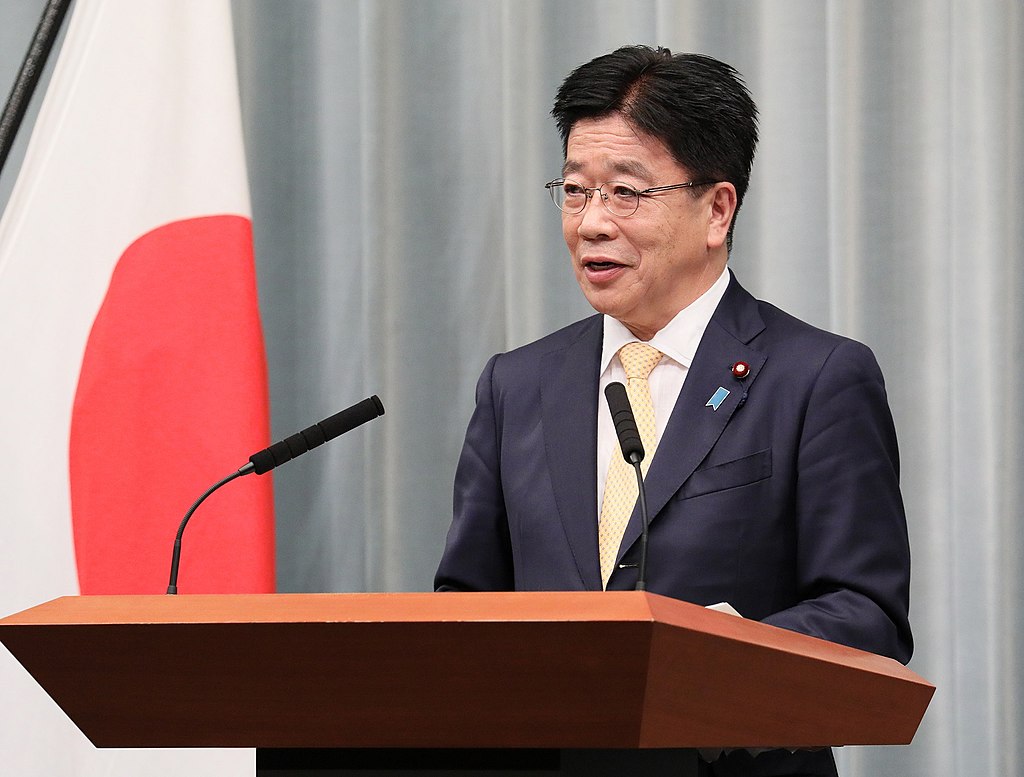
Japanese Finance Minister Katsunobu Kato clarified on Friday that Japan’s $1 trillion-plus U.S. Treasury holdings were not specifically discussed in meetings with U.S. Treasury Secretary Scott Bessent. Speaking at a regular press conference, Kato addressed recent media reports suggesting that Japanese Prime Minister Shigeru Ishiba had mentioned the issue during ongoing U.S.-Japan tariff negotiations.
“My understanding is that the topic of Japan’s Treasury holdings has been left between me and Treasury Secretary Bessent,” Kato stated. “I will refrain from commenting on our conversations, but we have not had any specific exchanges on this matter.”
The clarification comes after Kato stirred debate last month by suggesting that Japan could potentially use its vast U.S. Treasury holdings as leverage in trade talks. He later walked back those remarks, stressing that Tokyo has no intention of threatening to sell its holdings.
Kato reiterated that Japan holds U.S. Treasuries primarily to ensure it has enough liquidity to intervene in foreign exchange markets when necessary, particularly to stabilize the yen during volatile market conditions. Japan remains the largest foreign holder of U.S. government debt, a position that often draws scrutiny during economic negotiations between the two nations.
With trade talks continuing and geopolitical tensions influencing markets, analysts are closely monitoring Japan’s approach to its U.S. asset portfolio. Any shift in Tokyo’s stance on Treasury securities could have significant implications for global bond markets and U.S.-Japan financial relations.
Kato’s latest comments are seen as an attempt to reassure markets and reinforce Japan’s long-standing position on using its Treasury holdings as a tool for currency stability rather than political leverage.







