


 Canada Unveils Bill to Fast-Track Major Resource Projects
  Trump Meets Venezuela’s Delcy Rodriguez at UN Assembly
  China Tightens Fentanyl Rules Ahead of Trump-Xi Summit
  Zelenskiy Warns Russia Preparing Major Attack on Ukraine
  US, Denmark and Greenland Set to Sign Arctic Security Deal
  Lula and Flavio Bolsonaro Tied in Brazil Runoff Poll
  Macron Challenges Trump’s Gaza Peace Claims at UN
  Iran Vows ‘Crushing’ Response as US Talks Continue
  Trump to Press Xi on Release of US Nuclear Expert Held in China
  Russian Strikes Kill Eight Across Ukraine as Energy Sites Hit
  Burnham Eyes UK Leadership Role in AI Ahead of Trump Meeting
  US, Japan and South Korea Back Taiwan Ahead of Trump-Xi Summit
  Marco Rubio to Meet Russia’s Lavrov in New York
  Kremlin Says No Grounds Yet for Ukraine Peace Talks
  Trump Says U.S.-Iran Peace Deal Near After UN Talks
  Zelenskiy Meets CIA Chief John Ratcliffe at Ireland’s Shannon Airport
  UK, Mauritius Seek Diego Garcia Base Deal


 Add as a preferred source on Google
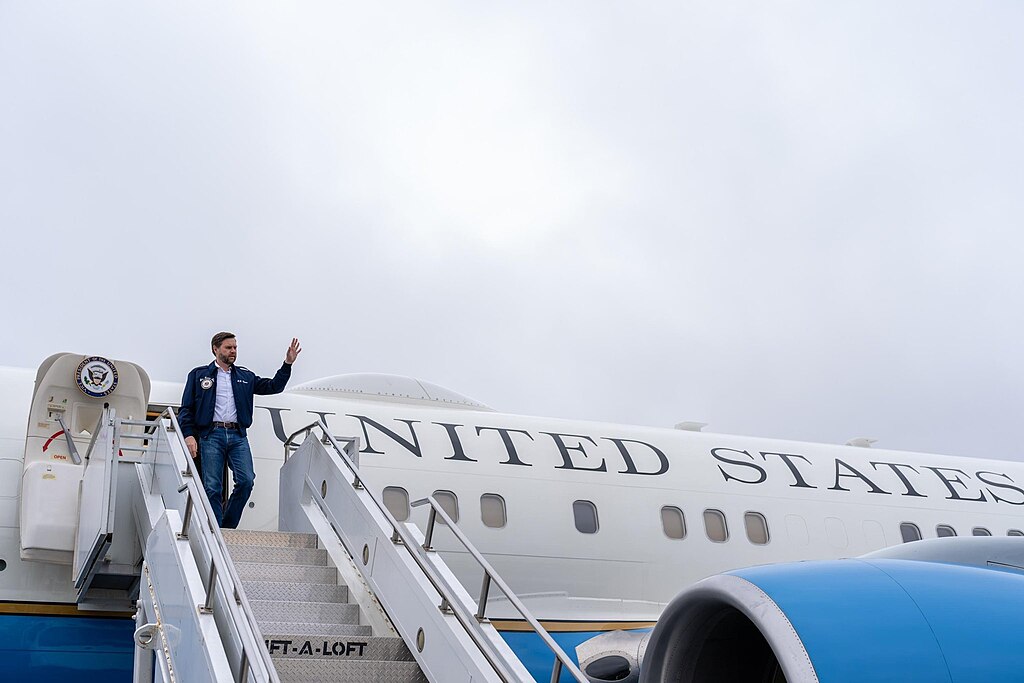
U.S. Vice President JD Vance strongly defended President Donald Trump’s Iran agreement on Thursday, criticizing Israeli officials who have publicly opposed the deal and warning against attacking Washington’s support for Israel.
Speaking at a White House briefing, Vance responded to reports that Israeli Prime Minister Benjamin Netanyahu was unhappy with the U.S.-Iran agreement, which aims to end the recent conflict with Tehran. The deal has faced criticism from both American and Israeli officials for failing to address Iran’s ballistic missile program and for lacking a clear roadmap to dismantle Iran’s nuclear infrastructure.
Vance stressed that Trump remains Israel’s strongest international ally despite growing tensions between the two governments. He argued that Israeli leaders should recognize the importance of U.S. support, particularly given the extensive military assistance Washington provides.
“Donald J. Trump is the only head of state in the world who is sympathetic to Israel at this moment,” Vance said, adding that Israeli officials should avoid publicly criticizing their most powerful ally.
The vice president also highlighted America’s financial and military backing of Israel, noting that a significant portion of Israel’s defensive capabilities has been funded by U.S. taxpayers. The United States currently provides approximately $4 billion annually in military aid to Israel, with negotiations underway for a new assistance package.
The disagreement reflects widening divisions over the Iran deal and Israel’s ongoing military operations in Lebanon. Israeli officials have argued that the agreement fails to eliminate threats posed by Iran’s nuclear ambitions and missile arsenal. Meanwhile, Israel recently expanded its military control zone in southern Lebanon and indicated it could continue operations beyond the designated area.
Vance also criticized far-right Israeli ministers Itamar Ben-Gvir and Bezalel Smotrich for opposing the agreement. In an interview with The New York Times, he questioned whether military force alone could solve Israel’s security challenges and urged regional leaders to pursue diplomatic solutions.
Following Vance’s remarks, Trump called on all parties in the Middle East to honor ceasefire commitments and support continued negotiations. The president reiterated his expectation of a comprehensive ceasefire involving Israel, Hezbollah, and other regional actors as efforts continue to stabilize the region and prevent further escalation.







