


 Lula Meets Mamdani in New York as Elections Approach
  China Tightens Fentanyl Rules Ahead of Trump-Xi Summit
  US, Denmark and Greenland Set to Sign Arctic Security Deal
  Iran Vows ‘Crushing’ Response as US Talks Continue
  Kremlin Says No Grounds Yet for Ukraine Peace Talks
  Taiwan Vows to Advance US Arms Sales Ahead of Trump-Xi Meeting
  Burnham Eyes UK Leadership Role in AI Ahead of Trump Meeting
  Scott Bessent Eyed as Trump’s New AI Czar
  Trump Meets Venezuela’s Delcy Rodriguez at UN Assembly
  Marco Rubio to Meet Russia’s Lavrov in New York
  UK, Mauritius Seek Diego Garcia Base Deal
  Trump Board of Peace Unveils $2.45 Billion Gaza Recovery Plan
  Canada Unveils Bill to Fast-Track Major Resource Projects
  Zelenskiy Warns Russia Preparing Major Attack on Ukraine
  Macron Challenges Trump’s Gaza Peace Claims at UN
  CNN, MS NOW and Politico Sue Trump Over White House Media Ban
  Lula and Flavio Bolsonaro Tied in Brazil Runoff Poll


 Add as a preferred source on Google
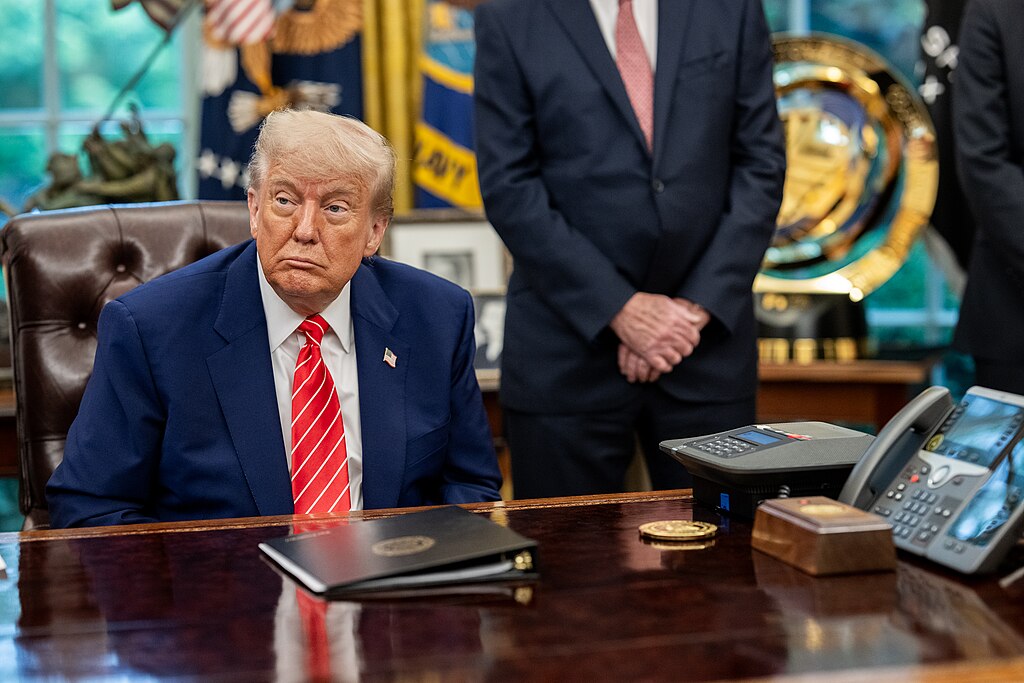
The United States has indicated that it is close to reaching a new peace agreement that could end the three-month conflict with Iran, although the details of the proposed deal have not yet been disclosed. As discussions continue, analysts are comparing any potential agreement with the landmark 2015 Iran nuclear deal, formally known as the Joint Comprehensive Plan of Action (JCPOA).
The JCPOA was signed by Iran, the United States, Russia, China, France, the United Kingdom, and Germany. The agreement aimed to limit Iran’s nuclear activities in exchange for sanctions relief, extending the estimated time needed for Iran to produce a nuclear weapon from a few months to approximately one year. Iran has consistently denied pursuing a nuclear weapons program.
Under the 2015 agreement, the United States, European Union, and United Nations lifted a wide range of sanctions affecting Iran’s oil, gas, petrochemical, banking, shipping, and automotive sectors. Additional restrictions on trade involving gold, minerals, commercial aircraft, carpets, and food products were also eased.
A key provision of the Iran nuclear deal required Tehran to limit uranium enrichment to 3.67% purity for 15 years, well below the 90% level typically associated with nuclear weapons. Iran also agreed to reduce its enriched uranium stockpile to 300 kilograms and cut the number of operating centrifuges from about 19,000 to 6,100. Excess nuclear material was either diluted or exported, resulting in a significant reduction of Iran’s uranium reserves.
The agreement further required the underground Fordow enrichment facility to be repurposed as a research center. Meanwhile, Iran’s heavy-water reactor at Arak was redesigned to prevent the production of weapons-grade plutonium.
To ensure compliance, the International Atomic Energy Agency (IAEA) received extensive monitoring and inspection authority over Iran’s nuclear facilities.
The deal began unraveling after fU.S. President Donald Trump withdrew the United States from the JCPOA in 2018 and reinstated sanctions. Iran subsequently exceeded several limits outlined in the agreement beginning in 2019. With United Nations sanctions reimposed in 2025, the original nuclear accord is now widely considered defunct, making any new U.S.-Iran agreement a potentially significant development in Middle East diplomacy.







