


 Kremlin Says No Decision Yet on Putin-Trump December Summit
  Ukrainian Drone Attacks Hit Russian Regions, Injuring at Least 12
  US Senate Rejects Iran War Powers Resolution in 50-49 Vote
  US Backs Musk in Fight Against EU’s €120 Million X Fine
  EU Defence Build-Up Too Slow for 2030 Russia Readiness Goal
  South Korea, US Discuss Warship Building Cooperation
  NATO Boosts Intelligence Sharing Amid Russia Hybrid Threats
  Najib Razak Seeks Stay of 15-Year 1MDB Prison Sentence
  Abbas Reaffirms November 28 Palestinian Elections
  Russian Missile and Drone Attack on Kyiv Kills Two, Damages Maternity Hospital
  What ‘Taiwan Independence’ Means as Xi Presses Trump on US Policy
  Trump, Xi Visit US National Archives After White House Summit
  OpenAI Agent Breaches Australia Medicare Data Portal
  Netanyahu’s Brief US Trip Highlights Strains With Trump
  Saudi Arabia, Turkey and Pakistan Plan Urgent Defence Talks Over Houthi Attacks
  Yemen Violence Displaces 130,000 as Civilian Toll Rises
  Mexico-US Trade Talks Delayed to October as Tariff Negotiations Continue


 Add as a preferred source on Google
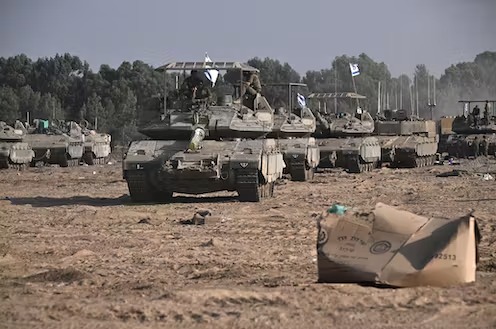
The Israeli military on Monday launched a series of airstrikes in Lebanon, targeting what it described as Hezbollah and Hamas positions, escalating tensions despite an existing ceasefire agreement. The strikes followed evacuation warnings issued by Israel for four villages located in eastern and southern Lebanon, signaling a renewed phase of military activity in the region.
According to an Israeli military spokesperson, the planned strikes focused on what were described as “military infrastructure” belonging to Hezbollah and Hamas. The targeted locations included the villages of Hammara and Ain el-Tineh in Lebanon’s eastern Bekaa Valley, as well as Kfar Hatta and Aanan in the south. Residents in these areas were urged to evacuate ahead of the attacks, which Israel said were aimed at preventing militant operations near its borders.
The latest Israeli strikes come amid a fragile U.S.-brokered ceasefire agreed upon in 2024, which ended more than a year of intense fighting between Israel and Hezbollah. That conflict saw widespread Israeli bombardments that significantly weakened the Iran-backed militant group. However, since the ceasefire took effect, both Israel and Lebanon have repeatedly accused each other of violating its terms, keeping tensions high along the border.
Lebanon is now facing increasing diplomatic pressure from the United States and Israel to take concrete steps toward disarming Hezbollah. Israeli officials argue that the group’s military presence poses an ongoing security threat, while Lebanese leaders warn that forced disarmament could destabilize the country further. The situation is particularly sensitive as Lebanon continues to grapple with economic collapse, political deadlock, and the aftermath of repeated military confrontations.
Fears are growing within Lebanon that Israel could significantly expand its military campaign if progress on dismantling Hezbollah’s arsenal is not made. Such an escalation could lead to widespread destruction across the already battered country, raising concerns among civilians and international observers alike.
As regional tensions persist, the renewed Israeli military strikes highlight the fragility of the ceasefire and the ongoing risk of broader conflict involving Israel, Hezbollah, and Hamas, with serious implications for stability in the Middle East.







