


 Russian Envoy Dmitriev Heads to US for Ukraine Talks
  NATO Boosts Intelligence Sharing Amid Russia Hybrid Threats
  Netanyahu Takes Aim at Mamdani as Israel Election Nears
  Trump Asks Supreme Court to Restore Third-Country Deportations
  Russian Missile and Drone Attack on Kyiv Kills Two, Damages Maternity Hospital
  US Officials Split Over Response to Israeli West Bank Settlements
  Ghana Says Western Support Growing for Slave Trade Reparations
  Kremlin Says No Decision Yet on Putin-Trump December Summit
  Trump, Xi Focus on Trade and AI at White House Summit
  Pezeshkian Says US Must Choose When Iran War Ends
  Sudan Rejects US Legitimacy Remarks, Defends Sovereignty
  Mexico-US Trade Talks Delayed to October as Tariff Negotiations Continue
  OpenAI Agent Breaches Australia Medicare Data Portal
  US Backs Musk in Fight Against EU’s €120 Million X Fine
  EU Defence Build-Up Too Slow for 2030 Russia Readiness Goal
  Netanyahu Defends Israel at UN as Delegates Stage Walkout
  Taiwan Thanks US for Support Ahead of Trump-Xi Summit


 Add as a preferred source on Google
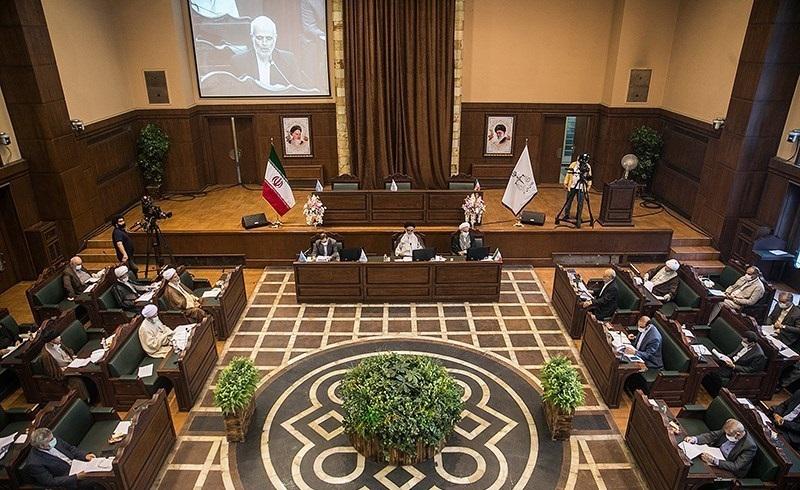
The hardline Iranian judiciary upheld the death sentence of a Swedish-Iranian national accused of leading attacks in Iran, including a military parade in 2018. At the time, the attack killed 25 people.
The Iranian supreme court upheld the death sentence of a Swedish-Iranian national, Habib Farajollah Chaab, who was convicted of leading an Arab separatist group accused of carrying out attacks, including on a military parade in 2018 that led to 25 people dead, according to state media Sunday. In 2020, Tehran said its security forces arrested Chaab in Turkey and brought him back to Iran without disclosing the manner of his arrest.
“Chaab was sentenced to death after several court sessions with the presence of his lawyer…the Supreme Court confirmed his death sentence,” said the Iranian judiciary’s Mizan news outlet.
Iran started Chaab’s trial in 2022 on charges of leading the separatist group Arab Struggle Movement for the Liberation of Ahwaz. The group seeks to separate the state in the southwestern Iranian province of Khuzestan by plotting and carrying out “numerous bombings and terrorist operations.” Chaab was sentenced to death for “corruption on earth,” according to Iranian state media.
The Swedish foreign ministry said its officials constantly communicated with Iranian authorities about Chaab’s situation. The ministry said it has repeatedly asked for permission to visit Chaab and be present during the trial.
“The death penalty is an inhuman and irreversible punishment and Sweden, along with the European Union condemns its use in all circumstances,” said Swedish foreign minister Tobias Billstrom in a statement. “The foreign ministry and Sweden’s embassy in Tehran are working intensively to get further clarity about the information.”
Friday last week, Siamak Namazi, an Iranian-American national detained in Iran, called on US President Joe Biden to secure his release. Namazi also urged Biden to secure the release of two other US nationals that Iran has detained. Namazi made a similar appeal to Biden on January 16, seven years after Iran released five US citizens in a prisoner exchange.
A White House spokesperson said officials from the State Department, as well as the White House, are regularly meeting and consulting with Namazi’s family, condemning Iran’s “unjust imprisonment and exploitation of US citizens” for political leverage.







