


 Wicker Urges US to Uphold Taiwan Security Commitments
  Trump Says He Raised Political Prisoners With Xi
  White House Blames Democrats as CLARITY Act Stalls
  US Sanctions Iran Weapons Procurement Network
  US Appeals Court Keeps Trump IRS Case Sanctions in Place
  Trump Praises Boeing 737 Max After Flydubai Crash Attempt
  Russia Warns NATO of Nuclear Response Over Kaliningrad
  New Zealand Election Raises Policy Uncertainty for Investors
  Trump Denies Offering Iran Sanctions Relief for Nuclear Concessions
  US Troops Set to Complete Iraq Withdrawal as Iran Influence Grows
  Israeli Settlers Attack West Bank Village, Block Palestinian Family’s Return
  US Conducts Non-Nuclear Explosion Test to Boost Nuclear Detection
  Israel Tightens Pilot Security After Flydubai Incident
  Netanyahu Vows Probe Into Foiled Flydubai Crash Attempt
  UN Condemns Myanmar Airstrike That Kills 50 in Rakhine
  CNN, Politico and MS NOW Seek Court Order Blocking Trump White House Ban
  Trump, Tech Leaders Sign ‘Morally Binding’ AI Safety Accord


 Add as a preferred source on Google
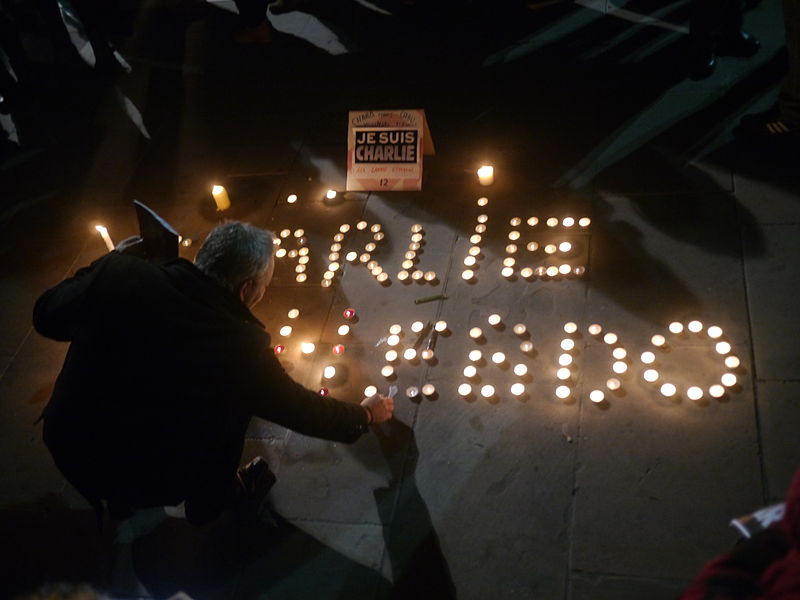
Security researchers at Microsoft last week said that hackers backed by the Iranian government were responsible for the leaking of customer data of the French satirical publication Charlie Hebdo. This follows the criticism of the Islamic Republic toward the magazine over its depictions of Supreme Leader Ali Khamenei.
Microsoft security researchers Friday last week said that hackers backed by Tehran were responsible for stealing and leaking customer data of Charlie Hebdo. The publication was hacked in early January after Charlie Hebdo published caricatures of Khamenei, which it said was part of a media campaign to show support for the ongoing protests in Iran.
At the time, Tehran said it will issue an “effective response” to the caricatures it said were “insulting” and even summoned the French ambassador to protest against the publication. Tehran also ended the activities of the French Institute of Research in Iran, saying it was re-evaluating France’s cultural activities in Iran.
The hacking of Charlie Hebdo was part of a wider digital operation using techniques that were previously matched to Iranian-state-backed teams, according to Microsoft in a report. The group that hacked Charlie Hebdo is the same one that officials from the United States Justice Department identified as having carried out a “multifaceted” campaign to interfere in the 2020 elections, which Tehran has denied at the time.
A group of hackers that called themselves “Holy Souls” posted in an online forum that they have the names and contact details of over 200,000 subscribers to Charlie Hebdo. The group said they would sell the information for 20 Bitcoins or $470,000. The group also made Twitter accounts using fake or stolen identities to criticize the publication’s Khamenei caricatures to further amplify the operation.
French newspaper Le Monde verified a sample of the leaked data as authentic.
Meanwhile, the US is considering imposing sanctions on Chinese surveillance companies over their sales to Iran’s security forces, according to a report by the Wall Street Journal on Saturday. Authorities in Washington are in discussions on the sanctions and have now focused on Tiandy Technologies Co., an electrical equipment manufacturer based in Tianjin. The firm’s products were allegedly sold to units of Iran’s Islamic Revolutionary Guard Corps.







