


 Trump Asks Supreme Court to Restore Third-Country Deportations
  Netanyahu’s Brief US Trip Highlights Strains With Trump
  Pezeshkian Says US Must Choose When Iran War Ends
  Colombia Extradites FARC Dissident Leader ‘Spider’ to US
  Najib Razak Seeks Stay of 15-Year 1MDB Prison Sentence
  North Korea Warns South Korea Over US-Led Defense Role
  Trump, Xi Focus on Trade and AI at White House Summit
  France Defends Netanyahu Airspace Clearance Despite ICC Warrant
  EU Agrees €6.6 Billion Military Aid Funding for Ukraine
  Pope Leo Warns UN, Multilateral Groups Face Crisis
  Abbas Reaffirms November 28 Palestinian Elections
  US Supreme Court Revives Trump Administration Voter Citizenship Database
  Trump, Xi Visit US National Archives After White House Summit
  Saudi Arabia, Turkey and Pakistan Plan Urgent Defence Talks Over Houthi Attacks
  Pope Leo Backs Press Freedom After White House Media Ban
  What ‘Taiwan Independence’ Means as Xi Presses Trump on US Policy
  Yemen Violence Displaces 130,000 as Civilian Toll Rises


 Add as a preferred source on Google
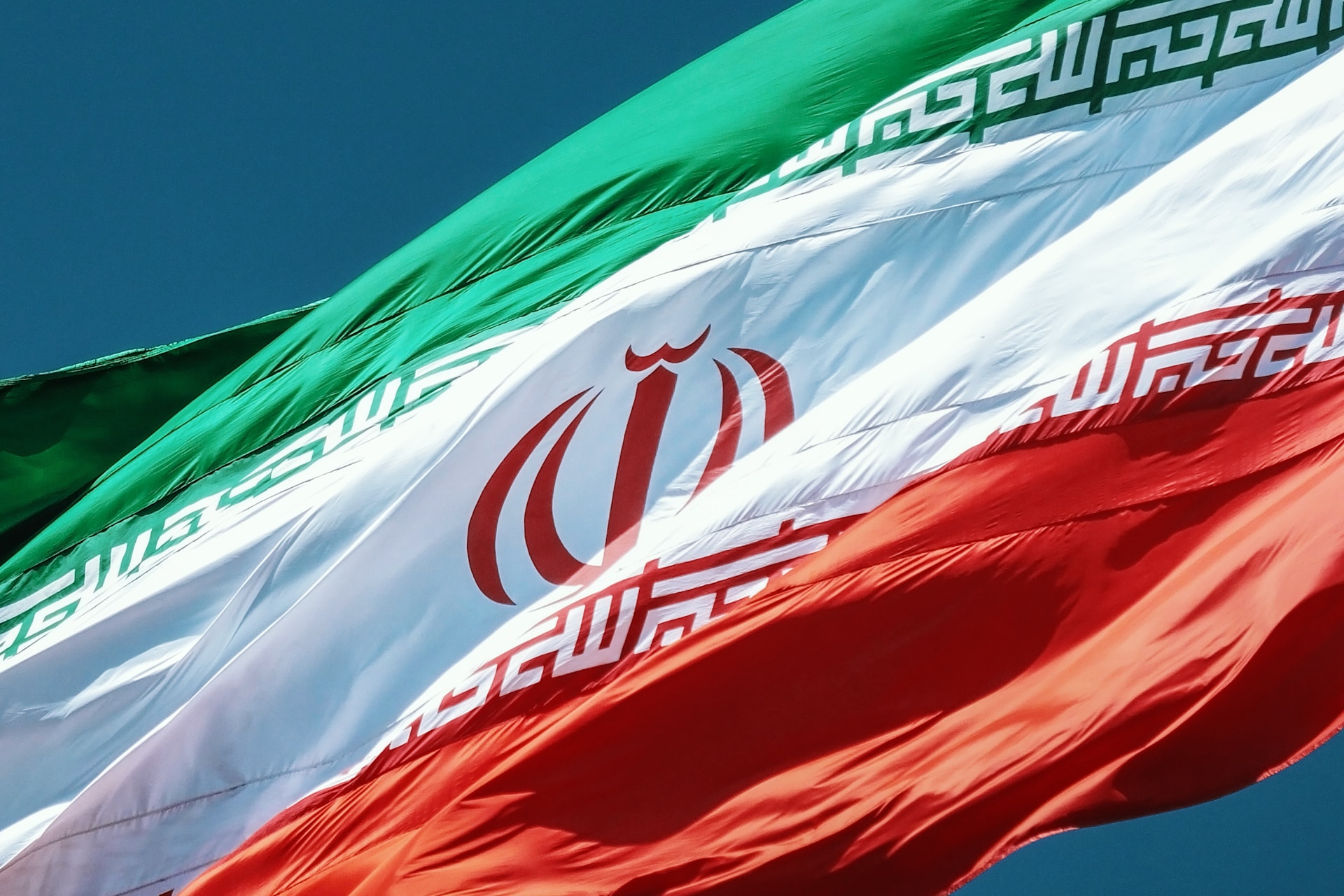
Tehran and Washington hinted at a potential easing of nuclear tensions on Wednesday, with both sides showing cautious willingness to re-engage in talks. Iranian President Masoud Pezeshkian addressed the U.N. General Assembly, reaffirming that Iran will never seek to build a nuclear weapon. Shortly after, U.S. President Donald Trump’s Middle East Envoy Steve Witkoff stressed that Washington has “no desire to hurt” Iran, signaling a diplomatic opening.
The U.S. envoy emphasized that dialogue remains central, adding that speaking with adversaries is essential to resolving conflicts. Before the June 12-day conflict between Iran and Israel, both nations held five rounds of nuclear negotiations but clashed on critical issues, particularly uranium enrichment. Western powers want Iran’s enrichment capabilities reduced to eliminate any risk of weaponization, while Tehran accuses Washington of undermining diplomacy.
Despite this, back-channel messages from Iran to Washington have so far gone unanswered, according to Iranian insiders. On Tuesday, Supreme Leader Ayatollah Ali Khamenei reiterated his opposition to negotiating with the U.S. under threats, underscoring the uncertainty ahead.
Meanwhile, European powers Britain, France, and Germany (the E3) triggered the U.N.’s snapback mechanism on August 28, giving Tehran until September 27 to comply with the 2015 nuclear deal or face reimposed sanctions. These measures include a global arms embargo, bans on uranium enrichment, missile restrictions, and travel bans. Diplomats warn chances for a breakthrough remain slim, though European leaders have offered to delay sanctions for six months if Iran restores access to U.N. inspectors and returns to talks.
French President Emmanuel Macron, after meeting his Iranian counterpart, said Iran still had a narrow chance to avert sanctions but had yet to offer tangible concessions. With the Saturday deadline looming, the world watches to see whether Tehran and Western powers can salvage diplomacy before sanctions intensify Iran’s already fragile economy.







