


 CNN, Politico and MS NOW Seek Court Order Blocking Trump White House Ban
  Russia Warns NATO of Nuclear Response Over Kaliningrad
  Tim Scott Blames Democrats as CLARITY Act Stalls in Senate
  Trump Says He Raised Political Prisoners With Xi
  UN Extends Haiti Security Force Mandate Ahead of Elections
  Netanyahu Vows Probe Into Foiled Flydubai Crash Attempt
  Pentagon Launches Autonomous Warfare Command
  Malaysia Begins Deportation of 1,500 Myanmar Nationals
  US Sanctions Iran Weapons Procurement Network
  Trump, Tech Leaders Sign ‘Morally Binding’ AI Safety Accord
  Trump Eyes $54 Billion South Korean Investment in Alaska LNG
  Netanyahu Says Israel May Join Flydubai Crash Attempt Probe
  Trump Demands Powell Resign Over Fed Renovation Cost Overruns
  Wicker Urges US to Uphold Taiwan Security Commitments
  Trump Praises Boeing 737 Max After Flydubai Crash Attempt
  Polymarket Traders Bet on Trump AI Rename to ‘Super Intelligence’
  California Leads Lawsuit Over Trump’s $810 Million Funding Cuts


 Add as a preferred source on Google
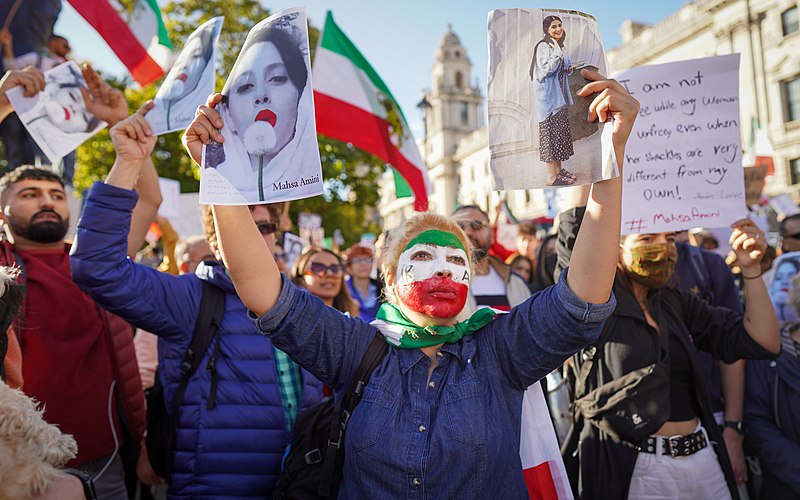
Iranian authorities have sought to clamp down on dissent in the ongoing protests across the country since September. The United Nations, human rights chief, criticized the executions and the death sentences, saying that the moves by the Islamic Republic are equal to “state-sanctioned killing.”
In a statement on Tuesday, UN human rights chief Volker Turk condemned the executions, saying that the Islamic Republic is weaponizing such punishment to crack down on dissent in the country. Turk said the executions and death sentences are a violation of international law.
“The weaponization of criminal procedures to punish people for exercising their basic rights – such as those participating in or organizing demonstrations – amounts to state-sanctioned killing,” said Turk in the statement. The statement also said the human rights office received two more reports of upcoming executions.
Turk’s statement is the latest international condemnation of the Islamic Republic over the executions, which have climbed up to four in recent days. The Iranian judiciary hung two men on Saturday for protest-related charges, allegedly killing a member of the Tehran-backed Basij paramilitary force. Tehran has also sought to blame its foreign adversaries, such as the United States, for the unrest that has been occurring in Iran since September.
Even as the ongoing protests presented the biggest challenge to Iran’s clerical rulers since 1979, the authorities have indicated an increased crackdown on dissenters since the beginning of the year. The Iranian judiciary on Tuesday also ordered people to strictly adhere to the hijab law and punish those who breach the law.
Reports have also been rife of Iran detaining foreign nationals, and a court in Iran has sentenced a Belgian national to 40 years in prison as well as to be subject to 74 lashes for charges of espionage. Former aid worker Olivier Vandecasteele received a preliminary sentence that can be appealed, according to the Iranian judiciary.
Vandecasteele was charged with spying for foreign intelligence services and “cooperating with the hostile United States government against the Islamic Republic”, for which he received 12.5 years in prison. Another charge was alleged smuggling of foreign currency amounting to $500,000 that sentenced Vandecasteele to 2.5 years in prison, 74 lashes, and a fine of $1 million. Vandecasteele has denied all the charges, and the Belgian authorities have previously condemned the former aid worker’s imprisonment calling it “illegal.”
Tehran has long been accused of imprisoning foreigners and dual nationals and using them as bargaining chips.







