


 US Forces Exit Iraq as Iran Influence and ISIS Risks Grow
  UN Extends Haiti Security Force Mandate Ahead of Elections
  US Sanctions Iran Weapons Procurement Network
  Malaysia Begins Deportation of 1,500 Myanmar Nationals
  Russia Warns NATO of Nuclear Response Over Kaliningrad
  UN Condemns Myanmar Airstrike That Kills 50 in Rakhine
  US Alcohol Ban Exposes Canada’s Internal Trade Barriers
  US Appeals Court Keeps Trump IRS Case Sanctions in Place
  CNN, Politico and MS NOW Seek Court Order Blocking Trump White House Ban
  Pentagon Launches Autonomous Warfare Command
  Polymarket Traders Bet on Trump AI Rename to ‘Super Intelligence’
  Netanyahu Says Israel May Join Flydubai Crash Attempt Probe
  California Leads Lawsuit Over Trump’s $810 Million Funding Cuts
  US Conducts Non-Nuclear Explosion Test to Boost Nuclear Detection
  Tim Scott Blames Democrats as CLARITY Act Stalls in Senate
  Trump, Tech Leaders Sign ‘Morally Binding’ AI Safety Accord
  Trump Denies Offering Iran Sanctions Relief for Nuclear Concessions


 Add as a preferred source on Google
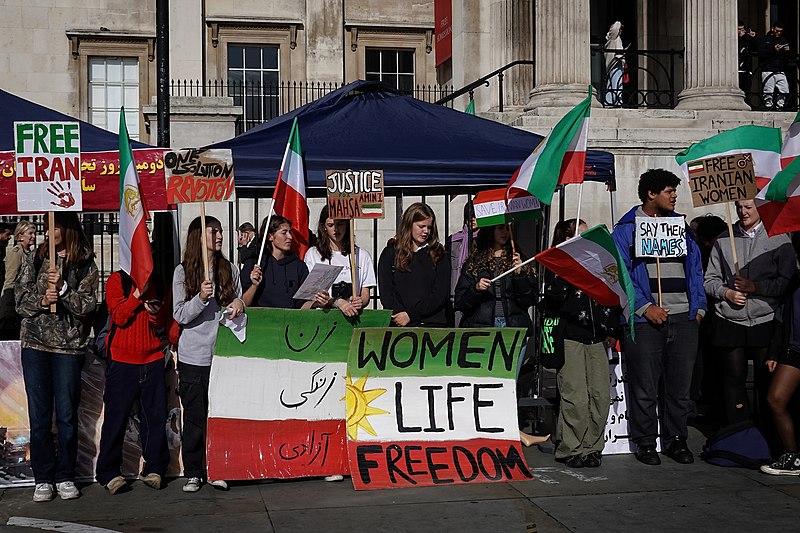
The Iranian judiciary carried out the execution of two men over the weekend who were convicted of killing a security agent during the ongoing protests. The latest executions bring up the number of protest-related executions in recent months.
In a statement published by the IRNA news outlet on Saturday, the Iranian judiciary said the two men who were executed, Mohammed Mehdi Karami and Seyyed Mohammed Hosseini, were convicted for killing a member of the Tehran-backed Basij paramilitary force. Three others were given death sentences, while 11 were sentenced to prison.
“Mohammed Mehdi Karami and Seyyed Mohammed Hosseini, principal perpetrators of the crime that led to the unjust martyrdom of Ruhollah Ajamian were hanged this morning,” said the judiciary in the statement, marking the number of protest-related executions to four.
The latest executions drew condemnation from the West. The European Union’s foreign policy chief Josep Borrell condemned the executions on the same day, calling on Iran to immediately stop sentencing detained protesters to death and annul the existing death sentences. Borrell called the executions another indication of the Islamic Republic’s “repression of civilian protesters.”
The United States special envoy to Iran, Robert Malley, called the executions a result of “sham trials” and said such executions must stop. British foreign minister James Cleverly also condemned the executions on Saturday and called on Tehran to “immediately end the violence against its own people.”
The French foreign ministry said the latest executions were “revolting” and urged Iranian authorities to heed the “legitimate aspirations of the Iranian people.” The Dutch government said it intends to summon the Iranian ambassador for the second time to relay its concerns over the execution of protesters.
A lawyer for Hosseini said in a tweet on December 18 that Hosseini was severely tortured and his confession under torture had no legal basis.
The Oversight Board of social media firm Meta on Monday overturned Meta’s decision to remove a post on Facebook calling for the death of Iranian Supreme Leader Ali Khamenei, saying that it did not violate a rule that bars violent threats.
The board said in a ruling that the phrase is often used to mean “down with Khamenei” while urging the platform to develop better ways to factor such context in its content policies, outlining clearly when it comes to rhetoric threats against leaders are permitted.







