


 CNN, Politico and MS NOW Seek Court Order Blocking Trump White House Ban
  Netanyahu Says Israel May Join Flydubai Crash Attempt Probe
  Trump Denies Offering Iran Sanctions Relief for Nuclear Concessions
  Trump Eyes $54 Billion South Korean Investment in Alaska LNG
  Trump Demands Powell Resign Over Fed Renovation Cost Overruns
  Russia Warns NATO of Nuclear Response Over Kaliningrad
  US Sanctions Iran Weapons Procurement Network
  US Alcohol Ban Exposes Canada’s Internal Trade Barriers
  Tim Scott Blames Democrats as CLARITY Act Stalls in Senate
  US Forces Exit Iraq as Iran Influence and ISIS Risks Grow
  UN Extends Haiti Security Force Mandate Ahead of Elections
  Polymarket Traders Bet on Trump AI Rename to ‘Super Intelligence’
  Netanyahu Vows Probe Into Foiled Flydubai Crash Attempt
  New Zealand Election Raises Policy Uncertainty for Investors
  Pentagon Launches Autonomous Warfare Command
  TSA Removes Chairs for Airport ID Check Officers
  Malaysia Begins Deportation of 1,500 Myanmar Nationals


 Add as a preferred source on Google
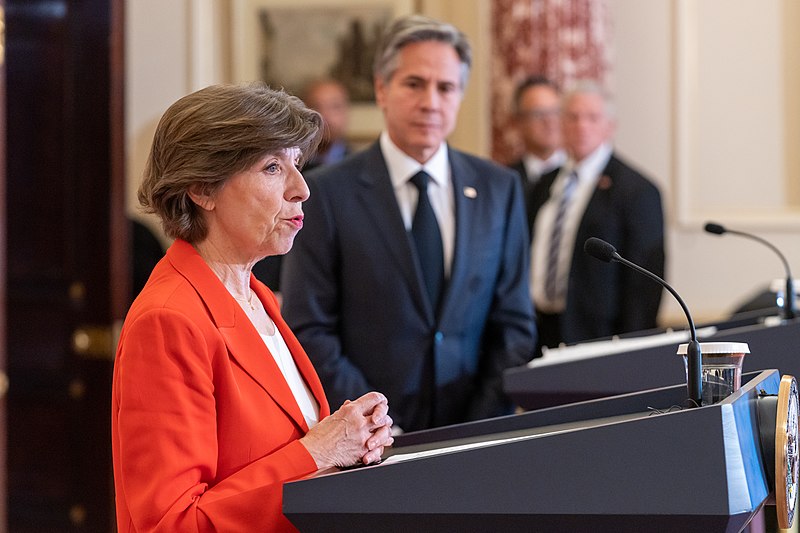
In a sign of further strained relations between France and Iran, the French foreign minister said Tehran should be concerned about its own problems rather than criticizing France. This follows the summoning of the French ambassador to Iran over cartoons published by a satirical magazine.
French foreign minister Catherine Colonna said on Thursday that Iran should concern itself with its own problems instead of criticizing France. Colonna’s comments follow Iran’s summoning of the French ambassador in protest over the cartoons published by the satirical Charlie Hebdo magazine. Colonna said Iran was pursuing bad policies through its crackdown on its population and the detention of French nationals.
“Let’s remember that in France press freedom exists contrary to what’s happening in Iran and that this is overseen by a judge within the framework of an independent judiciary, which is something that Iran without doubt doesn’t know well,” Colonna told LCI TV.
The cartoons published in Charlie Hebdo depicted Iranian Supreme Leader Ali Khamenei in an effort to support the ongoing protests in the country against the Islamic Republic. The cartoons in Charlie Hebdo drew the ire of Iranian foreign minister Hossein Amirabdollahian, who warned that the “offensive and indecent” move would be responded to by Tehran. Amirabdollahian also accused the French government of “going too far.”
Charlie Hebdo said it published the cartoons in a special edition that marks the anniversary of a deadly attack in its office in Paris by Islamist militants in 2015 after it published cartoons mocking the Prophet Mohammed.
Last Wednesday, the United States said it was looking at ways to further target Iran’s drone production through export controls and sanctions, according to the White House. Washington is talking to private companies whose parts have been used in Iran’s production of drones.
“We are discussing further steps we can take in terms of export controls to restrict Iran’s access to technologies used in drones,” said White House National Security Council spokesperson Adrienne Watson in a statement.
The US has previously sanctioned companies and individuals it has accused of manufacturing or transporting Iranian drones that Russia is using to attack civilian infrastructure in Ukraine.







