


 US, China Extend Trade Truce to Jan. 10 Ahead of Trump-Xi Summit
  Judge Orders Trump to Restore White House Access for CNN, MS NOW and Politico
  Sudan Rejects US Legitimacy Remarks, Defends Sovereignty
  China Tightens Fentanyl Rules Ahead of Trump-Xi Summit
  Trump Board of Peace Unveils $2.45 Billion Gaza Recovery Plan
  Trump Says ‘Freedom’ Is Coming to Cuba
  Russian Envoy Dmitriev Heads to US for Ukraine Talks
  Europe Warns Russia Is Escalating Hybrid Attacks Across NATO
  Kremlin Says No Grounds Yet for Ukraine Peace Talks
  South Korea, US Discuss Warship Building Cooperation
  Netanyahu Takes Aim at Mamdani as Israel Election Nears
  Russian Missile and Drone Attack on Kyiv Kills Two, Damages Maternity Hospital
  Lula and Flavio Bolsonaro Tied in Brazil Runoff Poll
  Venezuela Promises Elections as Delcy Rodriguez Pledges Democratic Transition
  Taiwan Vows to Advance US Arms Sales Ahead of Trump-Xi Meeting
  US Officials Split Over Response to Israeli West Bank Settlements
  Trump Administration Plans Faster FDA Reviews for Smoke-Free Nicotine Products


 Add as a preferred source on Google
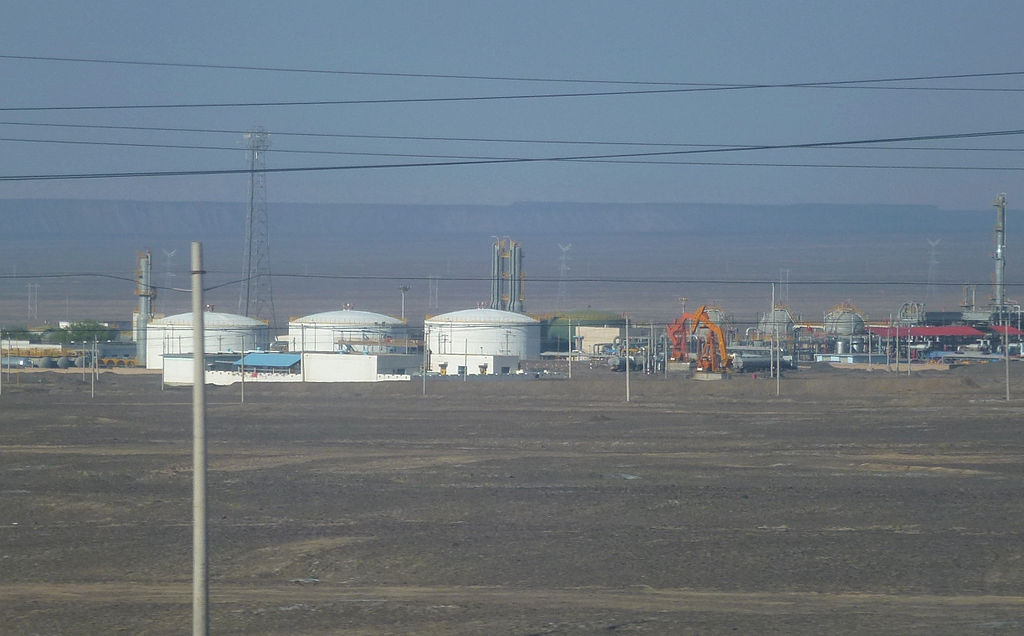
Iran has strongly criticized new U.S. sanctions targeting its oil shipments, calling them "illegitimate and unlawful." The sanctions, announced by the U.S. Treasury on Thursday, focus on individuals and tankers involved in transporting millions of barrels of Iranian crude to China.
The move comes after U.S. President Donald Trump reaffirmed his commitment to cutting Iran’s oil exports to zero in an effort to curb Tehran's nuclear activities. In response, Iran’s foreign ministry spokesman, Esmaeil Baghaei, condemned the sanctions, stating they unfairly hinder Iran’s ability to conduct "legitimate trade" with its economic partners. He also warned of consequences, holding the U.S. responsible for the repercussions of such "unilateral and bullying actions," as reported by the state-run IRNA news agency.
These latest restrictions add to the long-standing tensions between Washington and Tehran, with the U.S. maintaining economic pressure to limit Iran’s oil revenue. However, Iran continues to seek alternative trade routes and maintain exports, particularly to key partners like China.
Despite the sanctions, Iran remains defiant, criticizing the U.S. for weaponizing economic policies to exert control over global energy markets. The Iranian government insists its crude exports are within legal international trade frameworks and vows to counteract Washington’s measures.
The sanctions highlight ongoing geopolitical conflicts in the Middle East, with oil trade at the center of diplomatic disputes. As Iran pushes back against Western economic pressure, the global energy market faces increased uncertainty, with potential implications for oil prices and international trade dynamics.
With tensions escalating, the impact of these sanctions on Iran’s economy and global energy markets remains uncertain.







