


 North Korea Warns South Korea Over US-Led Defense Role
  Saudi Arabia, Turkey and Pakistan Plan Urgent Defence Talks Over Houthi Attacks
  What ‘Taiwan Independence’ Means as Xi Presses Trump on US Policy
  France Defends Netanyahu Airspace Clearance Despite ICC Warrant
  Yemen Violence Displaces 130,000 as Civilian Toll Rises
  Iran Rejects Nuclear Concessions in Hormuz Deal
  US Comfortable With Canada Trade Standoff as Import Bans Loom
  Trump Warns China Against Supporting Iran in Xi Talks
  Pezeshkian Says US Must Choose When Iran War Ends
  Netanyahu Defends Israel at UN as Delegates Stage Walkout
  EU Agrees €6.6 Billion Military Aid Funding for Ukraine
  Xi Calls for Deeper U.S.-China AI Cooperation in Trump Talks
  US Backs Musk in Fight Against EU’s €120 Million X Fine
  Ukrainian Drone Attacks Hit Russian Regions, Injuring at Least 12
  North Korea Rejects Nuclear Test Warning, Calls Nuclear Status Irreversible
  Trump, Xi Visit US National Archives After White House Summit
  Abbas Reaffirms November 28 Palestinian Elections


 Add as a preferred source on Google
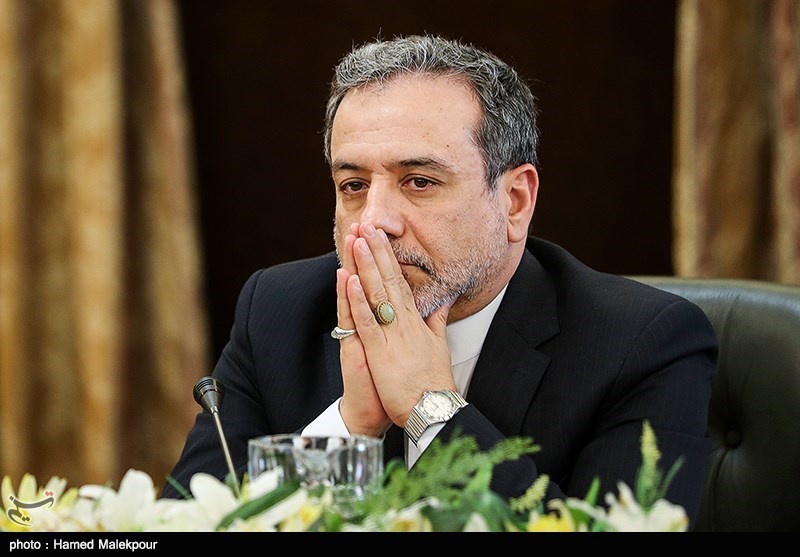
Iranian Foreign Minister Abbas Araghchi has formally called on the United Nations to take “appropriate measures” against the United States and Israel following a series of June military strikes on Iran’s nuclear facilities. In a letter sent to UN Secretary-General Antonio Guterres and the UN Security Council, Araghchi argued that both nations should be held accountable for what he described as violations of international law and acts that caused extensive damage within Iran.
Araghchi’s demand comes after U.S. President Donald Trump publicly stated on November 6 that he was “very much in charge” of Israel’s initial attack on Iran, launched on June 13. According to Iranian officials, this admission provides direct evidence of U.S. involvement and command responsibility during the 12-day conflict between Israel and Iran. Iranian state media reports claim that more than 900 people, including military personnel, were killed during the escalation.
In his letter, Araghchi insisted that Trump and other senior U.S. officials bear “criminal responsibility” for the attacks and that both Washington and Tel Aviv should be obligated to pay reparations, including restitution and compensation for the destruction caused. He emphasized that individuals within the Israeli government who played any role in ordering, supporting, or conducting the strikes should also face accountability for alleged war crimes.
The UN has not yet issued a response, and spokespersons for both the U.S. mission and the Secretary-General declined to comment. The sharp tone of Iran’s appeal to the UN contrasts notably with recent diplomatic remarks from both the U.S. and Iran expressing openness to negotiations. Earlier this week, Araghchi’s deputy indicated that Tehran sought a peaceful nuclear agreement with Washington. Trump, speaking last month, likewise claimed the United States was ready to make a deal “when Tehran is ready,” saying America’s “hand of friendship and cooperation is open.”
This renewed tension highlights the fragile and shifting dynamics of U.S.–Iran relations, even as both sides signal interest in a long-term diplomatic solution.







