


 TrumpRx Website Launches to Offer Discounted Prescription Drugs for Cash-Paying Americans
  SpaceX Pushes for Early Stock Index Inclusion Ahead of Potential Record-Breaking IPO
  SpaceX Prioritizes Moon Mission Before Mars as Starship Development Accelerates
  Hims & Hers Halts Compounded Semaglutide Pill After FDA Warning
  Missouri Judge Dismisses Lawsuit Challenging Starbucks’ Diversity and Inclusion Policies
  Amazon Stock Rebounds After Earnings as $200B Capex Plan Sparks AI Spending Debate
  Sony Q3 Profit Jumps on Gaming and Image Sensors, Full-Year Outlook Raised
  Nvidia CEO Jensen Huang Says AI Investment Boom Is Just Beginning as NVDA Shares Surge
  Nasdaq Proposes Fast-Track Rule to Accelerate Index Inclusion for Major New Listings
  Alphabet’s Massive AI Spending Surge Signals Confidence in Google’s Growth Engine
  CK Hutchison Launches Arbitration After Panama Court Revokes Canal Port Licences
  Tencent Shares Slide After WeChat Restricts YuanBao AI Promotional Links
  Prudential Financial Reports Higher Q4 Profit on Strong Underwriting and Investment Gains
  Washington Post Publisher Will Lewis Steps Down After Layoffs
  SoftBank Shares Slide After Arm Earnings Miss Fuels Tech Stock Sell-Off
  American Airlines CEO to Meet Pilots Union Amid Storm Response and Financial Concerns


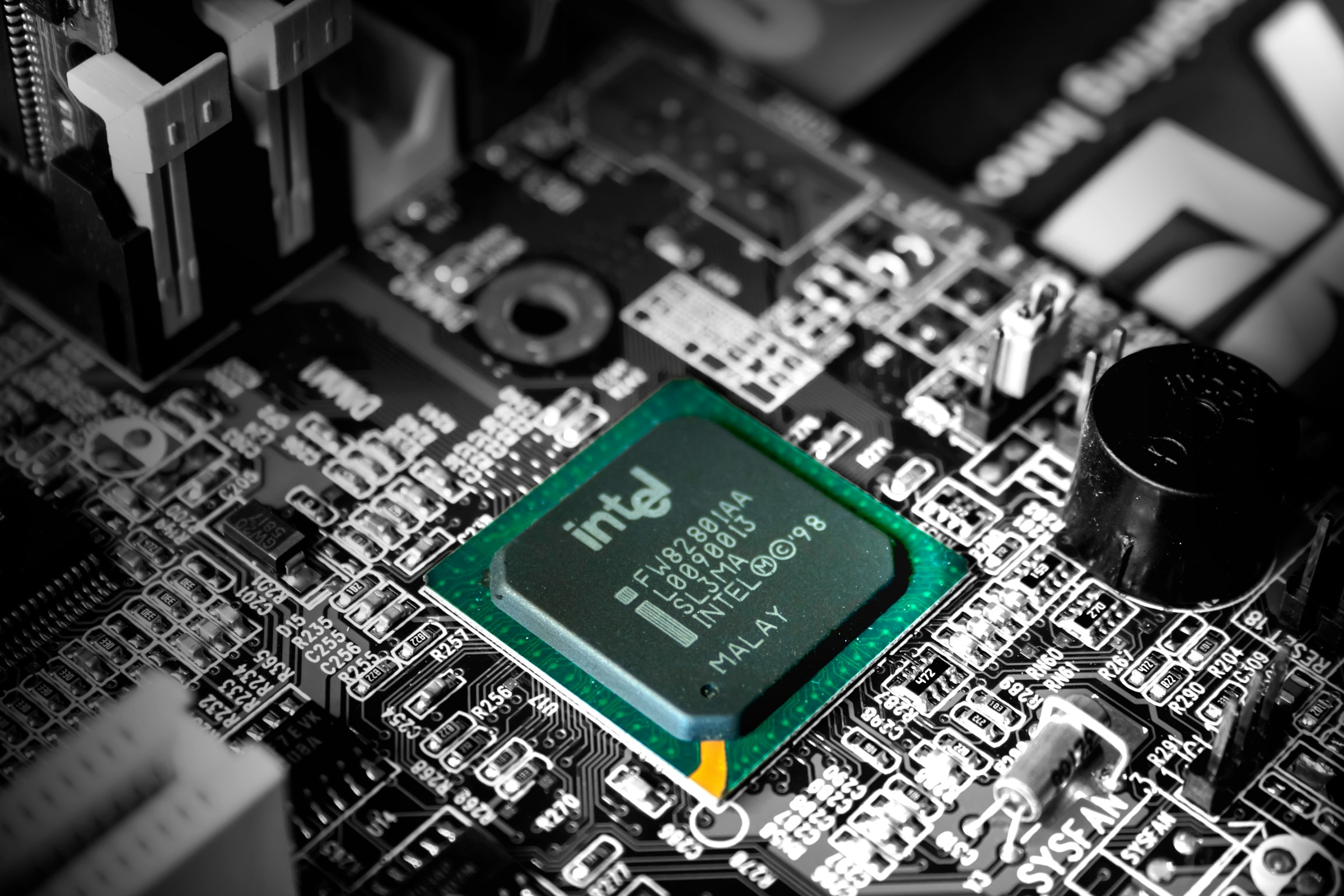
Despite efforts to block the sales, Intel managed to maintain its license to sell chips to Huawei. This decision has stirred controversy among players in the tech industry and policymakers.
U.S. President Joe Biden faced mounting pressure to revoke the license that allows Intel to supply advanced central processors to Huawei. Reuters reported that the push for license revocation came from various parties, including Intel's competitor, Advanced Micro Devices.
Impact on Market Dynamics
The license allowed Huawei to retain a share of the global laptop market, while AMD lost out on significant sales to the Chinese tech giant. This disparity in licensing has raised concerns among industry observers. The situation highlights the challenges faced by companies as the U.S. government seeks to restrict Chinese access to advanced American technology. The case of Intel and AMD sheds light on the complexities of international tech trade.
Political Calls for Action
Republican Senator Marco Rubio urged the Biden administration to revoke Intel's license immediately. The political pressure underscores the sensitive nature of technology exports and national security concerns. The Chinese Embassy in Washington criticized the restrictions on Huawei as economic intimidation and called for a more balanced approach. The ongoing tensions between the U.S. and China continue to affect global tech dynamics.
According to AOL, Huawei's inclusion on the trade restriction list 2019 marked a significant turn in the technology conflict between the U.S. and China. The subsequent licensing decisions have added layers of complexity to the situation.
Industry Adaptation and Future Prospects
The ongoing saga has necessitated rapid adaptation by both U.S. and Chinese tech companies. Firms are increasingly looking towards self-reliance and diversification of their supply chains to mitigate future risks. This shift is expected to spur innovation as companies seek alternative technologies and materials to sustain their operations amidst tightening trade restrictions. The outcome of this trade conflict could redefine the global tech landscape, pushing industries toward more resilient and autonomous technological ecosystems.
Photo: Slejven Djurakovic/Unsplash













