


 Elon Musk Ties SpaceX IPO Access to Mandatory Grok AI Subscriptions
  Makemation: a Nollywood movie that shows AI in action in Africa
  Meta and Google just lost a landmark social media addiction case. A tech law expert explains the fallout
  SpaceX Eyes Historic IPO at $1.75 Trillion Valuation
  China's Push to Steal Taiwan's Chip Technology and Talent Raises Security Alarms
  Samsung Electronics Posts Eightfold Profit Surge Driven by AI Chip Demand
  NASA's Artemis II Crew Arrives in Florida for Historic Moon Mission
  Microsoft Eyes $7B Texas Energy Deal to Power AI Data Centers
  Nanya Technology Shares Surge 10% After $2.5 Billion Private Placement from Sandisk and Cisco
  Microsoft's $10 Billion Japan Investment: AI Infrastructure and Data Sovereignty Push
  California's AI Executive Order Pushes Responsible Tech Use in State Contracts
  Britain Courts Anthropic Amid US Defense Department Dispute
  OpenAI Executive Shake-Up Ahead of Anticipated 2026 IPO
  Australia's Social Media Ban for Under-16s Sparks Global Movement
  Chinese Universities with PLA Ties Found Purchasing Restricted U.S. AI Chips Through Super Micro Servers
  Apple Turns 50: From Garage Startup to AI Crossroads


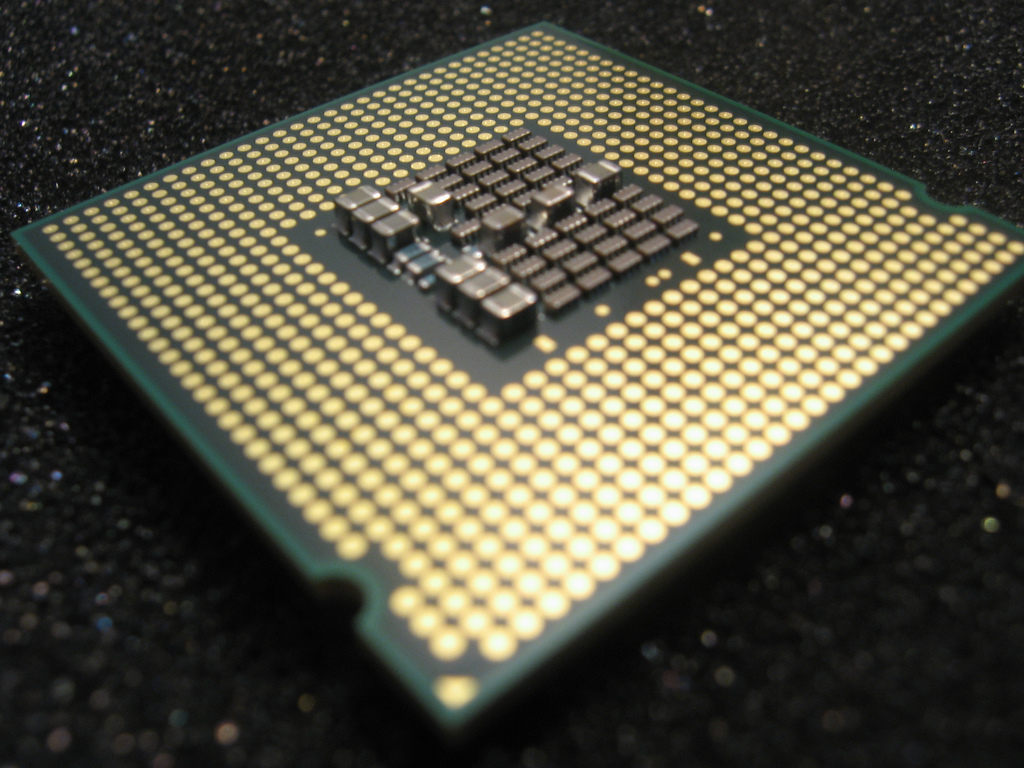
The global CPU giant Intel recently unveiled its latest generation of computer processors called Kaby Lake to much fanfare. The company likes to tout these chips as the most powerful they have created yet, which should be the case considering the significant price tag. However, recent benchmark tests by reputable reviewers and publications paint a different story.
Processor speed and power are incredibly important to PC users for two general reasons. One is to help with demanding work such as video editing, programming, or even video game development. The other is for those who want the best gaming experience. For either case, the Intel Core i7-7700K doesn’t really offer much of an edge compared to its predecessors, CNET reports.
Regardless if the user is a gamer or a professional, benchmark tests support the notion that it would be far better to rely on 6th generation processors. Not only do they perform roughly the same even when overclocking, the older units are much cheaper.
Publications like Tom’s Hardware performed these tests and compared them with older chips, which includes several of the variants among each generation. Based on the results, the i7-7700K only performed marginally better than the i7-6700K. This translates to mere seconds or fractions of a second in speed when using apps like Adobe Photoshop.
In the case of PC gamers, it’s already quite obvious that processor speeds aren’t the deciding factor in terms of choices. Even chips six generations ago can provide practically the same performance in gaming as the newer ones, at least if they are comparable in clocking speeds.
This is further proof of a trend that seems to have become the norm among CPU makers as they pertain to gaming. When Ars Technica reviewed the Kaby Lake chips, for example, the publication remarked how processors seemed to have stagnated.







