


 Annie Altman Amends Sexual Abuse Lawsuit Against OpenAI CEO Sam Altman
  CTOC Adds 3,000 Doctors, 500 Hospitals Ahead of Liquidity Push
  Nomura Upgrades PDD Holdings to Buy, Calls Stock Too Cheap to Ignore
  SK Hynix Eyes Up to $14 Billion U.S. IPO to Fund AI Chip Expansion
  NASA's Artemis II Crew Arrives in Florida for Historic Moon Mission
  California's AI Executive Order Pushes Responsible Tech Use in State Contracts
  Apple Turns 50: From Garage Startup to AI Crossroads
  Microsoft Eyes $7B Texas Energy Deal to Power AI Data Centers
  Ukrainian Drones and the #MadeByHousewives Movement: Kyiv Fires Back at Rheinmetall CEO
  Golden Dome Missile Defense: Anduril and Palantir Join Forces on Trump's $185B Space Shield
  SpaceX Eyes Historic IPO at $1.75 Trillion Valuation
  Chinese Universities with PLA Ties Found Purchasing Restricted U.S. AI Chips Through Super Micro Servers
  Palantir's Maven AI Earns Pentagon "Program of Record" Status, Reshaping Military AI Strategy
  Meta and Google just lost a landmark social media addiction case. A tech law expert explains the fallout
  SMIC Allegedly Supplies Chipmaking Tools to Iran's Military, U.S. Officials Warn
  Federal Judge Blocks Pentagon's Blacklisting of AI Company Anthropic
  Luxury Car Sales in the Middle East Take a Hit Amid Iran War


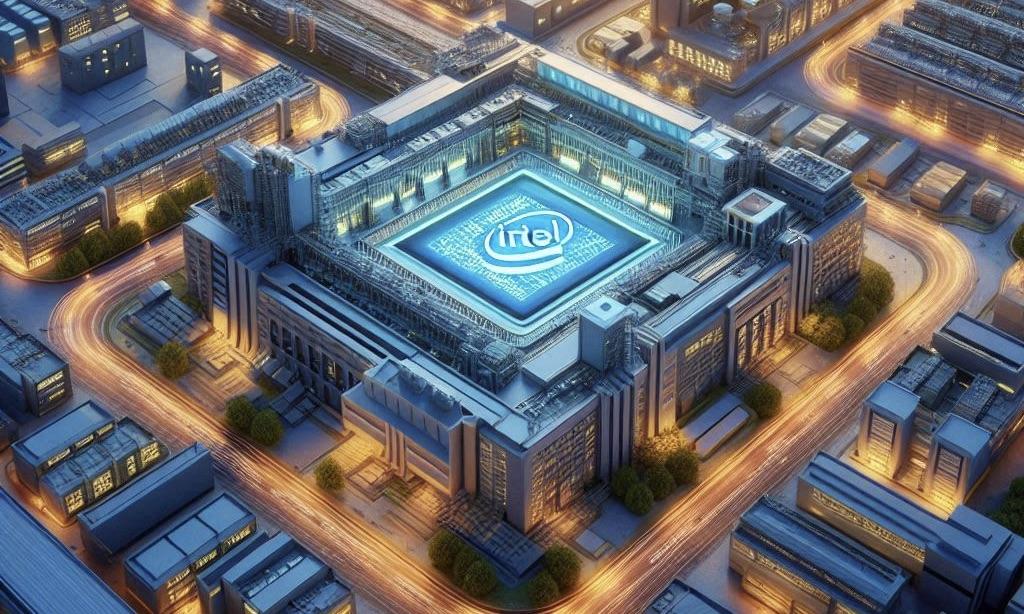
Intel is reportedly considering transferring its sub-3nm production to TSMC, according to industry sources. Amid financial struggles, layoffs, and underperforming production nodes, the tech giant is facing challenges in maintaining its competitive edge. This strategic shift could impact Intel's long-term manufacturing goals.
Intel Reportedly Considering Shifting Sub-3nm Production to TSMC Amid Financial Struggles and Layoffs
Based on unconfirmed reports and the conclusion reached by a highly regarded industry analyst, it is becoming more probable that Intel's indigenous resources will be unable to support the significant capital expenditure necessary to advance and maintain its cutting-edge production nodes (sub-3nm).
Intel is reportedly preparing to transfer its sub-3nm production nodes to TSMC, according to an unconfirmed report published on September 9 in a Taiwanese newspaper. This move is being made in response to the ongoing production capacity expansion for the Intel 3 and Intel 4 processes at the company's expansive facility in Ireland, further contributing to the company's financial losses in its foundry division.
Simultaneously, Intel is endeavoring to reduce expenses by reducing dividends, implementing a mass layoff plan that is equivalent to approximately 15% of its workforce strength at the beginning of 2024, and selling or reducing its majority stakes in ancillary businesses, including the autonomous mobility-focused company Mobileye and the FPGA unit Altera. Intel plans to provide its board with strategic alternatives at a forthcoming September meeting.
In the interim, as indicated by numerous recent reports, Broadcom needed to be addressed by the yield of Intel's state-of-the-art 18A process node. Some engineers expressed skepticism regarding the node's feasibility for high-volume production. Of course, Intel may still be able to resolve all of the issues before the node enters "high gear" in 2025.
Intel Faces Financial Strain as Analyst Predicts Increased TSMC Orders and Worsening Technology Gap
At the same time, Andrew Lu, a highly regarded industry analyst, recently published an intriguing Facebook post. He contended that Intel's current inflows are insufficient to support a CapEx of $5 billion to $6 billion, which is required to maintain the R&D activities and the eventual mass-production cadence of the company's advanced production nodes. The analyst now firmly believes that Intel's technology behind its industry rivals will continue to worsen, per Wccftech.
Andrew Lu has also expressed his belief that TSMC will likely receive a significant increase in orders as Intel struggles. He anticipates that the Taiwan-based company's capex will reach approximately $40 billion by the end of the year.
If it punches on orders related to its advanced production nodes, Intel will be compelled to significantly alter or abandon its current overarching strategy to achieve margin expansion. This strategy involves the company doubling down on its foundry division to drive aggressive growth and, concurrently, eking out cost savings of "more than $8 billion to $10 billion exiting 2025." This would enable a non-GAAP gross margin of approximately 60% and non-GAAP operating margins of approximately 40% by 2030.







