


 Asian Currencies Mixed as Dollar Holds Near Two-Month High
  Asian Stocks Fall as Bond Yields Surge Ahead of Trump-Xi Summit
  European Stocks Slip as Iran Tensions Offset Strong Eurozone Data
  Oil Prices Surge as U.S.-Iran Diplomacy Hopes Fade
  US Dollar Hits Two-Month High as Fed Rate Hike Bets Rise
  Oil Prices Ease as Iran Tensions Clash With Diplomacy Hopes
  South Korea, US Discuss Warship Building Cooperation
  Dollar Hits Two-Month High as Fed Rate Hike Bets Rise
  China’s ‘Lipstick King’ Says AI Won’t Replace Livestream Hosts
  Australia Unemployment Hits Five-Year High Despite Strong Jobs Growth
  European Stocks Fall as Bond Yields and Geopolitical Risks Weigh
  RBI Uses $10 Billion Currency Swaps to Drain Excess Rupee Liquidity
  Russian Envoy Dmitriev Heads to US for Ukraine Talks
  Mexico-US Trade Talks Delayed to October as Tariff Negotiations Continue
  Gold Drops Over 1% as Dollar, Treasury Yields Surge on Fed Rate Hike Bets
  Japan Private-Sector Growth Slows as Domestic Demand Weakens
  Oil Prices Jump 3% as Houthi Attack Revives Supply Fears


 Add as a preferred source on Google
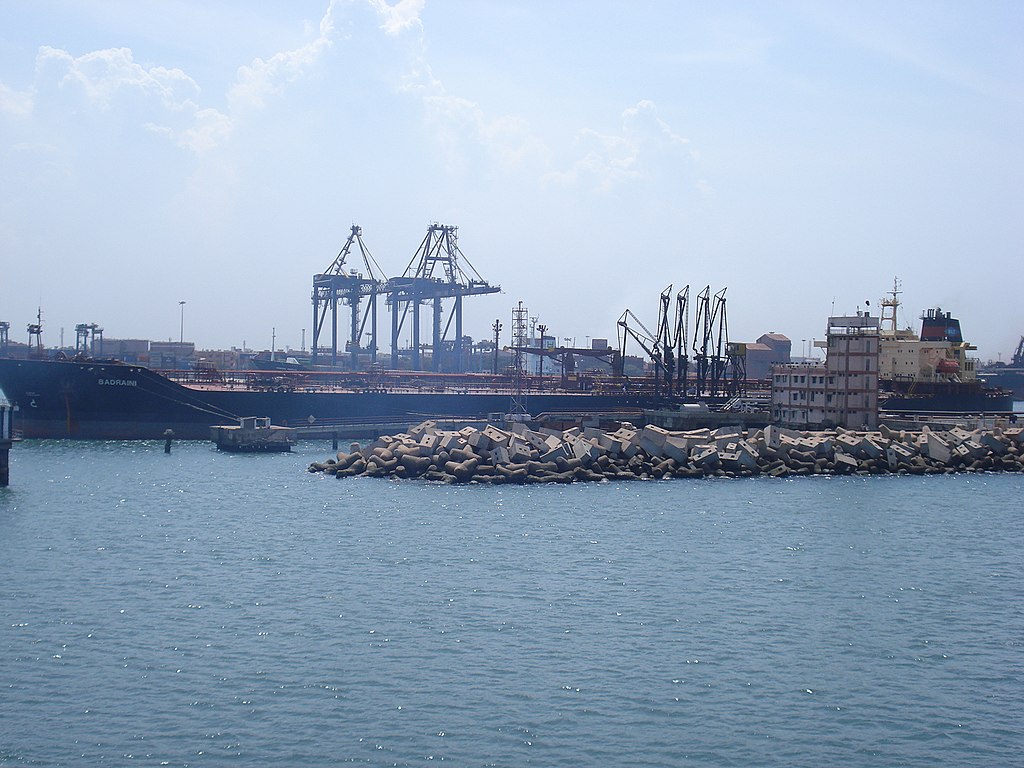
Indian companies are facing growing challenges as rising oil prices, higher freight and insurance costs, and weaker consumer spending put significant pressure on business margins in 2026. The ongoing U.S.-Israeli conflict involving Iran has disrupted global trade routes, increased transportation expenses, and pushed up the cost of essential imports, creating fresh concerns for India's economy.
As an import-dependent nation, India is particularly vulnerable to higher crude oil prices and a weakening rupee, both of which contribute to inflation. Economists warn that rising fuel and fertilizer costs, reduced demand from Gulf countries, slower remittance inflows, and possible capital outflows could negatively impact economic growth while increasing consumer prices.
Several major consumer goods companies, including Hindustan Unilever, Godrej Consumer Products, and Dabur India, have already implemented low- to mid-single-digit price increases across multiple product categories. Britannia is also preparing similar adjustments. However, businesses remain cautious about raising prices on affordable products, especially those sold in the popular 10- to 20-rupee range. Instead, many companies are reducing product sizes while maintaining existing price points to avoid discouraging cost-sensitive consumers.
The automotive sector is experiencing similar challenges. Maruti Suzuki, Mahindra & Mahindra, Tata Motors Passenger Vehicles, and Hyundai Motor India have increased vehicle prices to offset rising production and operating costs. Meanwhile, airlines such as IndiGo and Air India are reducing capacity on fuel-intensive international routes and raising ticket prices due to higher aviation fuel expenses.
To protect profitability, companies are aggressively cutting costs. Hindustan Unilever has reduced advertising spending, while other firms are limiting non-essential travel and marketing expenses. Businesses are also redesigning supply chains by diversifying sourcing networks, rerouting shipments, and increasing reliance on local suppliers.
Companies including Dabur, Britannia, Arvind Fashions, and Trent are taking proactive measures to manage costs, improve inventory planning, and strengthen operational efficiency. As inflationary pressures persist, Indian businesses are expected to continue balancing price increases, cost controls, and supply chain adjustments to protect margins while maintaining consumer demand.







