


 South Korea, US Discuss Warship Building Cooperation
  Sudan Rejects US Legitimacy Remarks, Defends Sovereignty
  NATO Boosts Intelligence Sharing Amid Russia Hybrid Threats
  Netanyahu’s Brief US Trip Highlights Strains With Trump
  US, China Extend Trade Truce to Jan. 10 Ahead of Trump-Xi Summit
  Trump, Xi Focus on Trade and AI at White House Summit
  Fed Unveils Stablecoin Rules Under GENIUS Act
  Wall Street Ends Flat as Oil, Treasury Yields and Fed Jitters Rattle Markets
  China’s ‘Lipstick King’ Says AI Won’t Replace Livestream Hosts
  What ‘Taiwan Independence’ Means as Xi Presses Trump on US Policy
  US Backs Musk in Fight Against EU’s €120 Million X Fine
  Judge Orders Trump to Restore White House Access for CNN, MS NOW and Politico
  North Korea Warns South Korea Over US-Led Defense Role
  Russian Envoy Dmitriev Heads to US for Ukraine Talks
  Oil Prices Jump 3% as Houthi Attack Revives Supply Fears
  Russian Missile and Drone Attack on Kyiv Kills Two, Damages Maternity Hospital
  Fed Unveils Stablecoin Rules Under GENIUS Act


 Add as a preferred source on Google
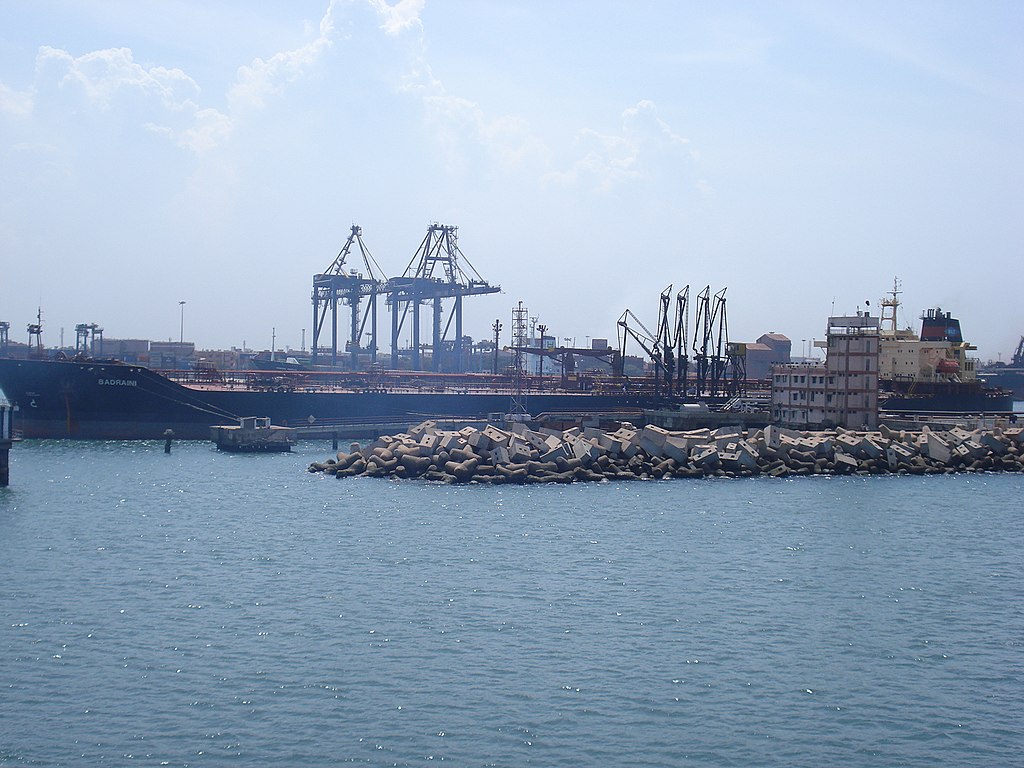
Indian agricultural exporters are poised to benefit after U.S. President Donald Trump removed reciprocal tariffs on dozens of food products, easing pressure on global supply chains and helping restore demand in the world’s largest consumer market. The shift comes as American shoppers grow increasingly concerned about rising grocery prices, prompting the U.S. administration to roll back duties on over 200 food items, including high-value categories like beef.
India, which had previously faced steep tariff hikes—some rising to 50%—saw its shipments of tea, coffee, spices and cashew nuts take a considerable hit. The situation tightened further when a separate 25% levy was imposed on India’s imports of Russian oil. Now, trade experts believe the latest tariff exemptions could revive up to $3 billion worth of Indian exports.
According to Ajay Sahai, director general of the Federation of Indian Export Organisations (FIEO), the U.S. decision creates fresh opportunities for premium and value-added products. He notes that exporters focusing on higher-end segments will be better positioned to overcome price pressures and take advantage of returning consumer demand.
Indian trade officials also view the tariff relief as a positive step for ongoing U.S.–India negotiations, potentially easing some of the strain caused by this year’s tariff hikes. India’s exports to the U.S. dropped nearly 12% year over year in September, falling to $5.43 billion, with farm goods—worth around $5.7 billion annually—among the hardest hit.
While the exemptions offer a boost, analysts caution that the overall gains may remain modest. Ajay Srivastava of the Global Trade Research Initiative points out that India has a limited presence in several key categories that received tariff relief, such as tomatoes, citrus fruits, melons, bananas and fruit juices. However, he acknowledges that the move could improve India’s position in spices and niche horticulture, helping recover some lost demand.
Exporters remain cautiously optimistic, noting that high freight costs, competition from Vietnam and Indonesia, and stricter U.S. quality norms may temper the benefits. Still, many agree that tariff relief is a meaningful step toward rebuilding momentum in India’s agriculture export sector.







