


 Telenor to Buy Controlling Stake in Bahnhof in $630 Million Broadband Deal
  Bernstein Names IAG, Ryanair as Top European Airline Stocks Ahead of Earnings
  Morgan Stanley Names Marks & Spencer Top European Retail Pick, Sees Strong Upside
  US Launches New Iran Strikes as Strait of Hormuz Conflict Escalates, Oil Prices Rise
  Asian Stocks Slip as Iran Tensions, Samsung Weakness and Fed Caution Weigh on Markets
  Stuck in a creativity slump at work? Here are some surprising ways to get your spark back
  Heritage, desire and diplomacy: why China still values scotch whisky
  Oil Prices Rise as U.S.-Iran Conflict Fuels Strait of Hormuz Supply Fears
  SK Hynix Prices Record U.S. ADR Offering at $149 After $200 Billion Investor Demand
  Booked to travel through the Middle East? Here’s why you shouldn’t cancel your flight
  What’s the difference between baking powder and baking soda? It’s subtle, but significant
  Why have so few atrocities ever been recognised as genocide?
  The Beauty Beneath the Expressway: A Journey from Self to Service
  The ghost of Robodebt – Federal Court rules billions of dollars in welfare debts must be recalculated
  Dollar Slips After Fed Minutes as Iran Tensions, Inflation Risks Keep Markets Cautious
  Chinese Chip Stocks Jump as Apple Reportedly Tests CXMT Memory Chips for China Devices
  Sino Biopharm Stock Rises After AstraZeneca Licensing Deal, GSK Partnership Expansion


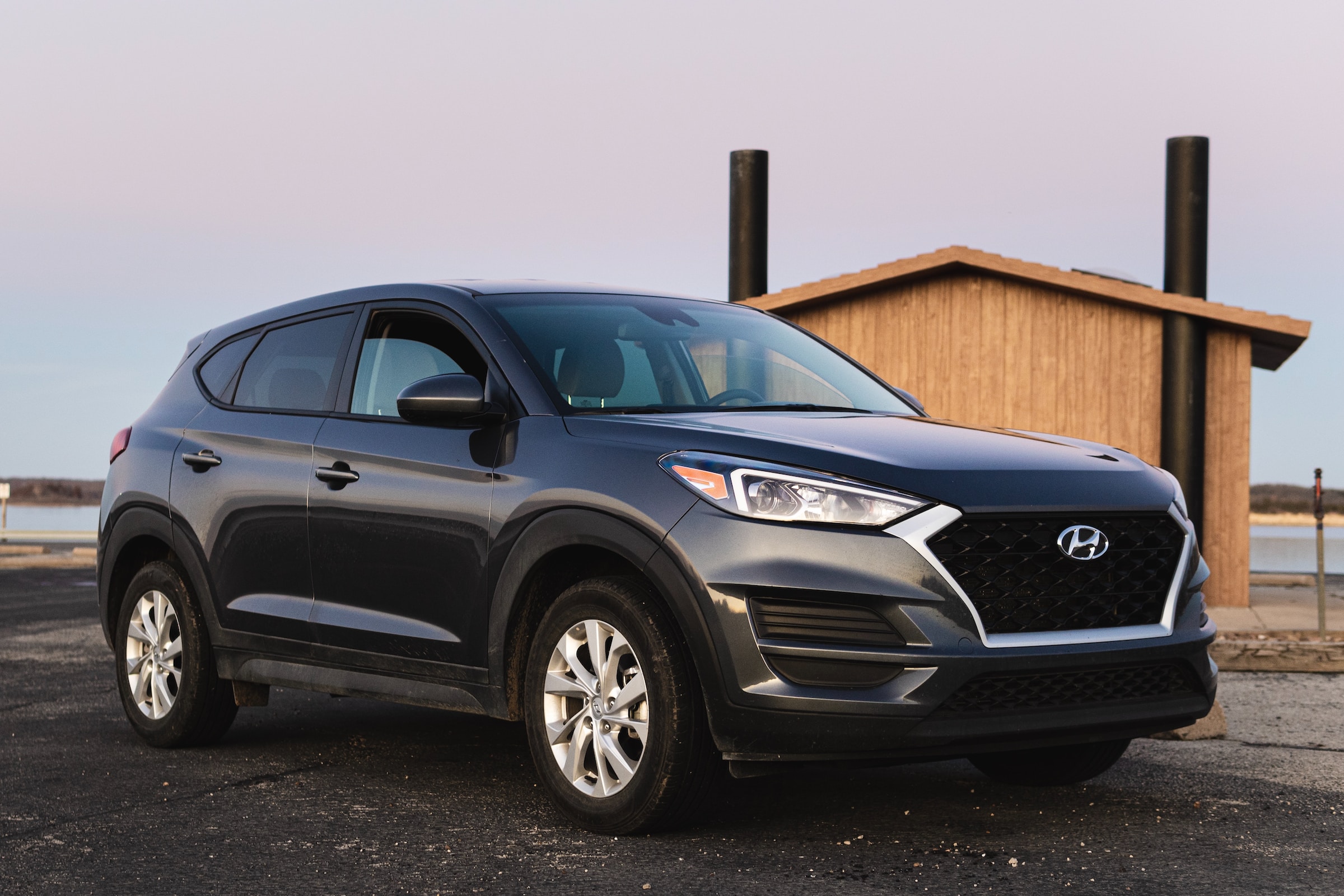
Hyundai Motor Group expedites its Georgia EV plant construction, eyeing benefits from the Inflation Reduction Act (IRA). The plant will bolster Hyundai's robust US electric vehicle market presence.
Under the recently signed IRA, the US government offers up to $7,500 in tax credits to purchasers of EVs manufactured in North America. HMG, the parent company of Hyundai, Kia, and Genesis, commenced the construction of a dedicated EV plant in Georgia last October to capitalize on this opportunity. The facility is projected to have a yearly production capacity of 300,000 vehicles.
Initially set for completion in early 2025, the automaker now endeavors to establish a robust early presence in the fast-growing EV market in the region. The move comes as Hyundai President and Global Chief Operating Officer Jose Munoz emphasized the company's commitment to accelerating the project during his address in Atlanta. Munoz also revealed that Hyundai has inked a memorandum of understanding with Georgia Tech for collaboration on hydrogen-fueled electric vehicles.
Hyundai's plans align with the Inflation Reduction Act's provision of tax relief to buyers of EVs assembled solely in North America. By constructing the dedicated EV and battery plant in Georgia, Hyundai aims to commence production by the first half of 2025. Munoz expressed confidence in potentially advancing the original completion date to three months earlier or even more.
In addition to the EV plant, Hyundai's affiliates, Hyundai Motor and Kia, have car manufacturing facilities in Atlanta and other parts of Georgia, respectively. This strategic location enables efficient production and distribution within the US market.
Moreover, Hyundai Motor has already commenced the production of all-electric GV70 SUVs under its independent Genesis brand at the Alabama plant earlier this year. This move underlines Hyundai's commitment to expanding its EV lineup and solidifying its presence in the US market.
Recently, HMG and LG Energy Solution announced a significant increase in the estimated cost of their joint venture EV battery plant in Savannah, Georgia. Due to rising construction expenses, the total estimated cost surged 40% from $5.5 billion to $7.6 billion. The completion date of the facility was brought forward to the second half of 2024 to align with HMG's delivery schedules.
To further augment their EV production capabilities, Hyundai and Kia are also implementing EV production lines at their plants in Alabama and Georgia, respectively.
With these initiatives, Hyundai Motor Group aims to assert its leadership in the burgeoning US EV market, taking advantage of tax incentives and satisfying the growing demand for emission-free vehicles.
Photo: Duncan Winslow/Unsplash







