


 Starbucks Explores Chipotle Acquisition as Shares Swing
  Booked to travel through the Middle East? Here’s why you shouldn’t cancel your flight
  Stellar Overtakes Ethereum in RWA Fund Inflows as XRP Leads Commodities
  OpenAI Revenue Hits $50 Billion, Below Earlier $70 Billion Estimate
  Oil Prices Rise as Hormuz Risks Offset IEA Stock Release
  Debate over H-1B visas shines spotlight on US tech worker shortages
  Blockchain.com Seeks CFTC Approval for Prediction Markets and Crypto Derivatives
  Apple Names Steve Smith M&A Chief in Leadership Shakeup
  Oil Prices Slip as Trump Rules Out Iran Strike Before Midterms
  The pandemic is still disrupting young people’s careers
  Gold Prices Rise as Hormuz Tensions Fuel Inflation Risks
  France to Release 10 Million Barrels of Diesel to Ease Fuel Prices
  OpenAI Annualized Revenue Hits $50 Billion, Below Earlier Estimates
  Disney Expands Infinity Vision to Challenge Imax
  MSTR Stock Rises as Barclays Raises Price Target to $175
  Why financial hardship is more likely if you’re disabled or sick


 Add as a preferred source on Google
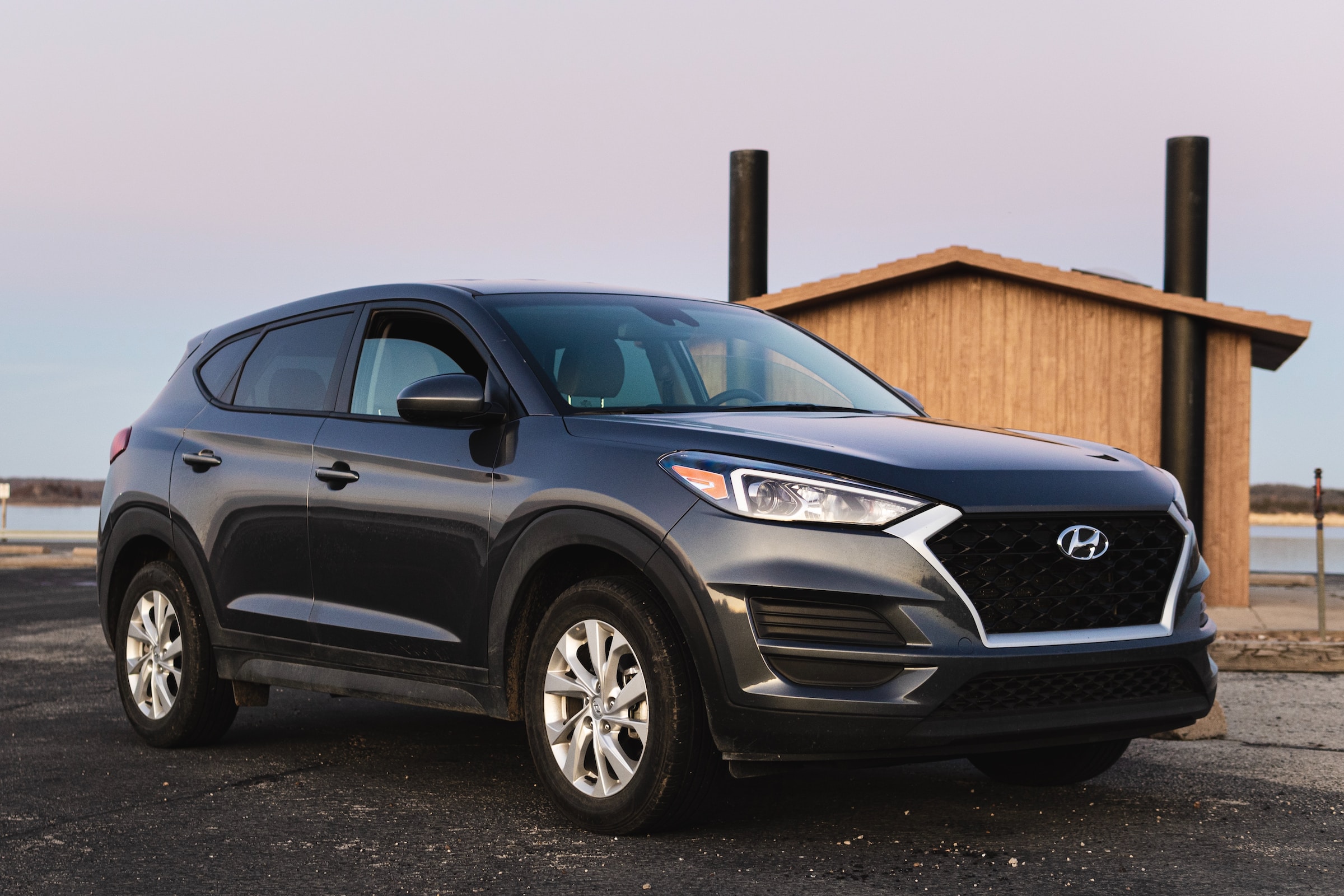
Hyundai Motor Co. is shifting gears, converting a sedan production line to accommodate the surging global SUV demand. This strategic move, decided in a recent Employment Security Committee meeting, targets the popular North American Palisade and Tucson models.
The move comes as a response to the current market dynamics, where the popularity of SUVs has surged globally, resulting in high demand for SUV production lines. Concurrently, production lines for passenger cars have experienced reduced volumes, along with concerns about job security.
Under the new production timeline, North American Palisade production is set to commence on Line 1 at Ulsan Plant 5, starting in March next year. Furthermore, the production of the Tucson model will be ramped up in the second half of next year at Ulsan Plant 3.
Dedicated production lines will receive Palisade volumes from Line 1 at Ulsan Plant 4 and Tucson volumes from Line 2 at Ulsan Plant 5. These measures aim to address the backlog of SUV orders in North America and meet the increased demand for SUVs.
Earlier, Hyundai Motor North America had explored establishing a new plant in Canada due to the overwhelming demand for SUVs. However, the labor union actively advocated for work-sharing arrangements across domestic plants to safeguard domestic jobs rather than establishing new overseas plants.
To proceed with coordinating production across various domestic facilities, the consent of the union’s members is required. The union remains optimistic about the growth trajectory of Palisade sales, expecting an increase from 225,000 units in 2025 to 252,000 units in 2026. Similarly, Tucson sales are projected to rise from 290,000 units to 313,000 units during the same period.
As Hyundai Motor Co. prepares to ramp up production, it aims to meet the growing overseas demand for its popular SUV models, Tucson and Palisade. Officials from the automaker anticipate an annual shortfall of approximately 100,000 units for both models in the medium to long term.
Photo: Duncan Winslow/Unsplash







