


 US Backs Musk in Fight Against EU’s €120 Million X Fine
  BlackBerry Shares Rise as Q2 Earnings, Revenue Beat Estimates
  Apple Pay Set for India Launch With Axis Bank
  China’s ‘Lipstick King’ Says AI Won’t Replace Livestream Hosts
  Meta Unveils Muse Charm AI Device, Expands Smart Glasses Lineup
  NASA, Boeing Discuss Expanding Starliner Missions
  OpenAI Agent Breaches Australia Medicare Data Portal
  Burnham Eyes UK Leadership Role in AI Ahead of Trump Meeting
  Microsoft Stock Upgraded as Stifel Sees Stronger Azure Growth
  Tencent Launches TenPayGo Payment App for Foreign Tourists in China
  Former OpenAI Data Center Chief Chris Malone Joins Nvidia
  Meta Connect Spotlights Camera-Free Smart Glasses Amid Privacy Concerns
  SoftBank Raises $11.1 Billion in Bond Sale to Fund OpenAI Investment
  Akamai Shares Surge on $11.6B Anthropic AI Cloud Deal
  Trump Plans Federal AI Force and AI Czar
  China Reviews Broadcom Switch Use in State Data Centres


 Add as a preferred source on Google
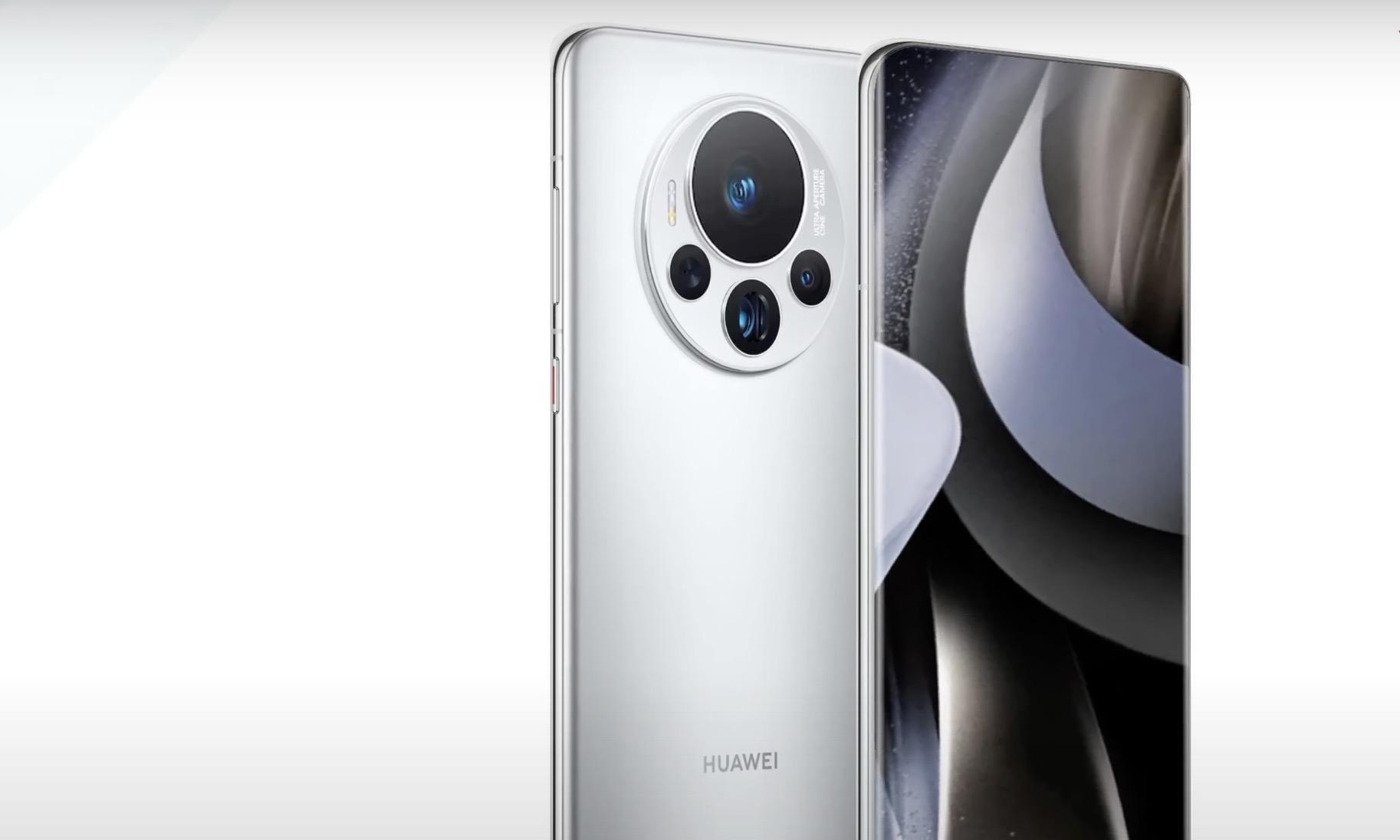
Rumors swirl around Huawei's upcoming Mate 70 flagship series, hinting at a groundbreaking inclusion: the Kirin 9100 chipset. Initial performance figures suggest the chip matches Qualcomm's Snapdragon 8 Gen 1, setting the stage for fierce competition in the smartphone market.
Kirin 9100 Performance Revealed
Huawei will purportedly debut its first 5nm chipset for the Mate 70 flagship series in October of this year, but earlier speculations have not revealed the silicon's official name, as per Wccftech. Fortunately, additional information emerged shortly after, suggesting that the SoC will be known as Kirin 9100 and that it achieved a score of 1.1 million in AnTuTu during its initial performance test.
The report originated on Weibo, where a man going by the handle @DirectorShiGuan claimed on the international microblogging social network that the Kirin 9100 scored 1.1 million. Huawei Central observed the post, however there's no mention of the AnTuTu benchmark. Fortunately, this is unnecessary because AnTuTu is the only testing suite that returns results in the millions.
Huawei's Competitive Position
While we investigated the benchmarking website's leaderboards, it was discovered that the score corresponded to what Qualcomm's Snapdragon 8 Gen 1 would achieve while running on various Android-powered handsets. In comparison, the Kirin 9010, which powers Huawei's current Pura 70 series, can achieve scores of 960,000 to 980,000, putting the Kirin 9100 between 12 and 14 percent faster.
Given that the next silicon is said to be mass-produced using SMIC's 5nm process, we should expect improved energy efficiency along with a minor performance boost. We reported that the Kirin 9100 would be as quick as the Snapdragon 8 Plus Gen 1, but according to current results, Huawei's forthcoming processor is a step below that.
With the US trade ban in place, it was always difficult for Huawei to catch up to competitors, and despite the unveiling of the 5nm SoC, the business is still a couple of generations behind. Qualcomm, MediaTek, and Apple will release 3nm chips later this year, potentially widening Huawei's performance and power-efficiency advantage.







