


 Europe can’t achieve space sovereignty alone. Here’s why
  Meta CEO Zuckerberg Backs Independent AI Safety Reviews Over Development Slowdown
  SoftBank Launches $11 Billion Bond Sale to Fund OpenAI Investment
  Paramount Skydance Faces $30 Million Film Penalty in Warner Bros. Deal
  MediaTek Unveils 2nm Dimensity 9600 Pro AI Chip
  CNN, MS NOW and Politico Sue Trump Over White House Media Ban
  Nike Earnings at Risk as UBS Cuts Price Target to $42
  Meta Partners With Shopify to Bring Shop Pay Checkout to Muse AI
  SK Hynix, Intel Discuss U.S. Memory Chip Production Deal
  US Federal Register Drops Alibaba Qwen AI Search Tool
  Telix to Acquire Germany’s ITM in $1.65 Billion Radiopharma Deal
  France Urges Faster AI Push Despite Safety Risks
  Japan, U.S. Discuss $19 Billion GlobalFoundries Chip Plant
  Apple Pay Set for India Launch With Axis Bank
  Nvidia CEO Jensen Huang Expected at Trump-Xi State Dinner
  NASA, Boeing Discuss Expanding Starliner Missions
  SpaceX Nasdaq 100 Weight to More Than Double in Rebalance


 Add as a preferred source on Google
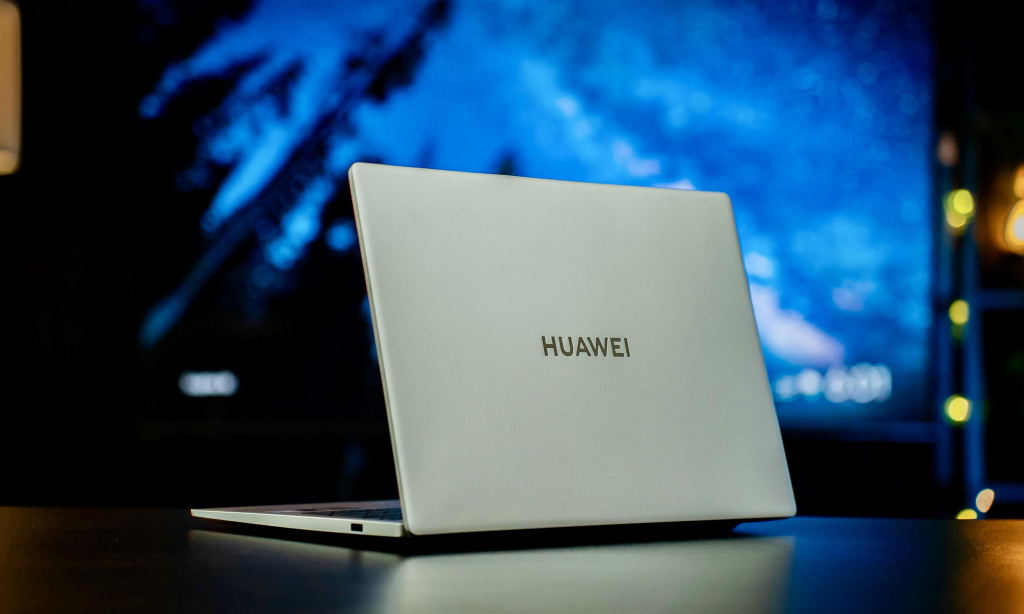
Huawei's bold move to adopt a unified architecture for its Kirin PC chips could challenge Apple's M-Series, integrating SoC and DRAM for unmatched performance.
Unified Memory Architecture Explained
With the integration of the system on chip (SoC) and dynamic random access memory (DRAM) into a single package, rumors suggest that Huawei will use this architecture in its Kirin PC chip. We have covered the benefits of this adjustment below, so keep reading to discover out.
Various components of a conventional CPU package are soldered to various parts of the motherboard. The system on a chip (SoC) and dynamic random access memory (DRAM) are integrated into one die in a unified memory architecture, which greatly improves the speed of communication between the two components.
Benefits of Closer Integration
Data transfer times and power consumption are both affected by the proximity of DRAM chips to the central processing unit and graphics processing unit.
The first Kirin PC chip from Huawei will introduce itself to remove this bottleneck, according to a rumor posted on X by @jasonwill101.
The proximity of the DRAM to the SoC in a unified memory architecture also provides high bandwidth to the chipset, which is an additional perk of this design.
This will enable the Central Processing Unit, Graphics Processing Unit, and Neural Processing Unit to swiftly access large data sets. Machines equipped with these chips may also never experience a memory leak while doing operations that necessitate coordinated processing by the CPU and GPU, thanks to this method.
There is no physical means to upgrade the DRAM chips since they are baked onto the packaging, which is the major downside.
Rivaling Apple’s M-Series Performance
Rumor has it that Huawei's first Kirin PC chip will have remarkable first performance claims, nearly matching Apple's M3 in multi-core capabilities. However, it doesn't say how many memory tiers the chip would have.







