


 OpenAI Urges US-Led Global Standards for Frontier AI
  US Northeast Airports Resume Operations After Telecom Outage Disrupts Thousands of Flights
  Meta Partners With Shopify to Bring Shop Pay Checkout to Muse AI
  fnny Beta Launches With a Simple Idea: Find an Event, Show Up, Get Rewarded
  White House Bars CNN, MS NOW and Politico Reporters
  Novo Nordisk Weighs Direct NYSE Listing to Boost U.S. Profile
  FAA Allows Boeing to Sell 35 More 777F Freighters Beyond 2028
  Apple Pay Set for India Launch With Axis Bank
  Japan, U.S. Discuss $19 Billion GlobalFoundries Chip Plant
  Westinghouse Targets $50 Billion Valuation in U.S. IPO
  FCC Approves Foreign Investment in $110B Paramount-Warner Bros. Deal
  NASA, Boeing Discuss Expanding Starliner Missions
  Meta CEO Zuckerberg Backs Independent AI Safety Reviews Over Development Slowdown
  Databricks to Invest $350 Million in Singapore AI Expansion
  Supertanker Orders Surge as US-Iran War Reshapes Oil Trade
  France Urges Faster AI Push Despite Safety Risks
  Hyundai CEO Warns Chinese Automakers Could Disrupt US Market


 Add as a preferred source on Google
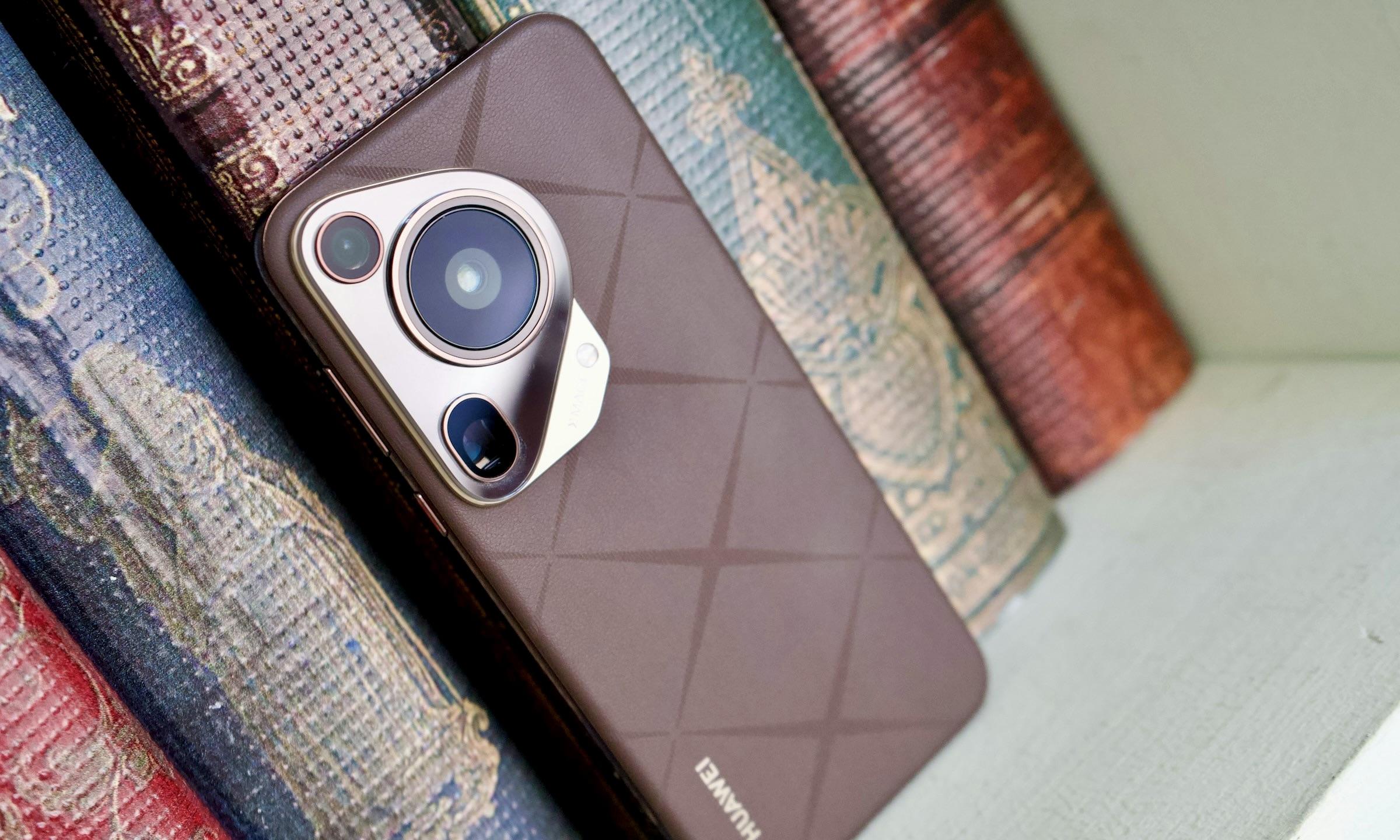
Huawei’s Mate 70 Series is set to utilize SMIC’s ‘N+3’ node, offering higher density than the Kirin 9010 while skipping the 5nm chipset.
Theories Around SMIC's 5nm Technique for Huawei’s Mate 70 Series
WCCFTECH reports that the Kirin 9000S, which let Huawei evade the US trade ban, was mass-produced using SMIC's 7nm (N+2) technology. The Kirin 9010, included in the Pura 70 series, continues the company's upward trajectory.
Various theories have circulated around the Mate 70 series, with some speculating that the erstwhile Chinese powerhouse would employ SMIC's 5nm technique, which the semiconductor maker supposedly perfected.
Huawei’s Next Kirin SoC to Use SMIC's ‘N+3’ Process
But there's a catch: according to one report, Huawei is planning to mass-produce the next Kirin system on a chip (SoC) for the Mate 70 series using SMIC's N+3 process, which boasts a higher density than the N+2 model.
Rumor has it that the Kirin 9100 will stay at 7 nm and that the Mate 70 series will not upgrade to SMIC's 5 nm process.
Even though it's terrible to hear, Huawei probably had good reasons to make this decision (if it hasn't already). There will be high production costs and low yields when using outdated DUV apparatus to mass produce 5nm wafers instead of EUV equipment.
Simply put, the 5nm wafers manufactured by SMIC will be extremely costly, and Huawei likely feels that these costs are too high to warrant utilizing this technology in their smartphone chipsets.
Kirin 9100's Potential With SMIC's ‘N+3’ Node
Despite this setback, the Kirin 9100 could still be manufactured using the 7nm process and boast a better density than the Kirin 9010 and the Kirin 9000S if it uses the N+3 node.
With more transistors, the Kirin 9100 will have better "performance per watt" and be more power efficient thanks to this upgrade.
Expanded Use of SMIC's ‘N+3’ Technology Beyond Mate 70 Series
The Mate 70 family's next chipset isn't the only ARM-based device that rumor has it that Huawei is testing with the same N+3 technology.
With the arrival of TSMC's first generation of 3nm 'N3E' chipsets later this year, including the Snapdragon 8 Gen 4, Dimensity 9400, and Apple's A18, Huawei may fail to close the performance gap quickly enough in terms of lithography.







