


 SK Hynix, Samsung Lead Asian Chip Stock Selloff After Sandisk, Western Digital Outlook
  Cloudflare Stock Jumps 15% as Earnings Beat Estimates, 2026 Outlook Raised
  DHL Q2 Profit Jumps 24% as Express Business Drives Growth
  Roblox Stock Drops 16% as Q3 Bookings Forecast Misses Expectations
  Glencore Posts Strong H1 2026 Earnings, Announces ASX Secondary Listing
  Qantas Shares Climb as Long-Haul Pilot Deal Eases Strike Concerns
  Nintendo Shares Jump as Switch 2 Sales Boost Earnings
  SoftBank Q1 Profit Beats Forecast as Intel Rally and OpenAI Investments Boost Returns
  Meta Cuts Wipro Outsourcing by 25% After AI-Led Restructuring
  Telegram Restored on Apple App Store After Temporary Removal
  Palantir Stock Soars as AI Demand Drives Strong Q2 Earnings and Higher 2026 Outlook
  Alphabet Stock Slides as Google AI Pioneer Jeff Dean Exits to Launch Discovery Loop
  Nvidia to Invest Up to $3 Billion in Blackstone-Backed Lancium
  SpaceX Earnings Preview: Bernstein Says 4 Key Factors Will Drive Long-Term Valuation
  OpenAI Restricts Astra AI Over Cyberattack Risks


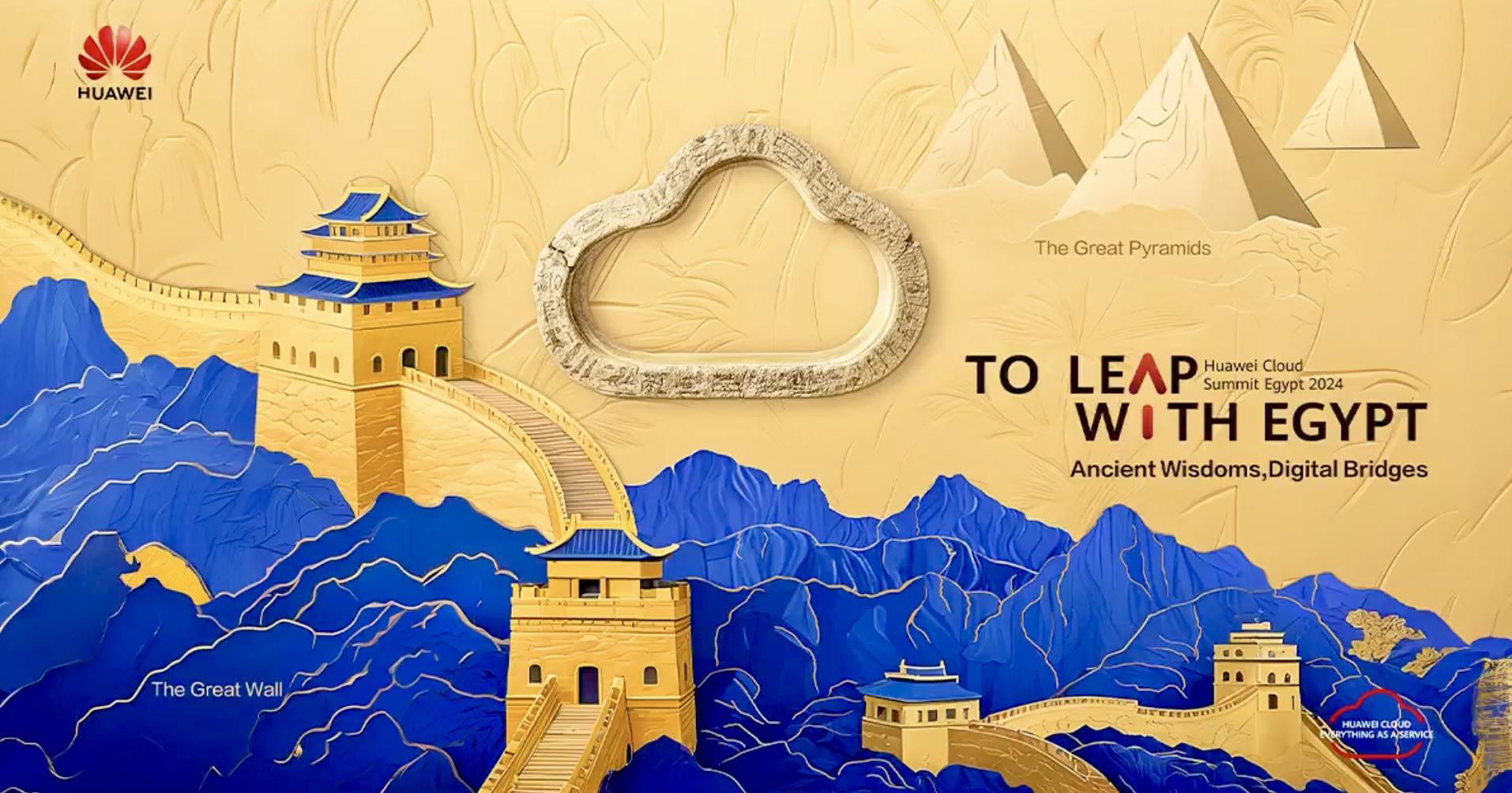
In Cairo, Huawei, a Chinese tech behemoth, introduced Egypt's first public cloud service and an Arabic large language model (LLM) to capitalize on the region's growing demand for generative artificial intelligence (AI).
Modern Standard Arabic LLM for Practical Business Applications
South China Morning Post (SCMP) reports that a statement from the company's cloud unit revealed that the Arabic LLM, a 100 billion parameter model developed on Huawei's in-house Pangu, has been meticulously trained using local data. This ensures a deep understanding of the Arab world's unique culture, history, knowledge, and customs, making it a genuinely local AI solution.
William Dong, president of Huawei Cloud's marketing, shared at the company's Cloud Summit in Cairo that the LLM, trained in modern standard Arabic, offers practical business applications. It can assist in creating AI models tailored to different local languages in the Arabic-speaking world, benefiting industries such as banking and education.
AI Models to Preserve Local Culture
With an accuracy rate of 96%, Huawei claims that its LLM's automatic speech recognition capability can cover more than 20 Arabic-speaking nations. The model was also trained using industry data sets covering digital power, oil and gas, and finance to support different sectors.
Global marketing and sales services president at Huawei Cloud, Jacqueline Shi, stated, "We believe that every country should have AI capabilities to preserve [their] local culture and that AI models should be developed and trained with local languages, enabling vertical industries to become more efficient."
Huawei's Role in MENA's Technology and Data Center Development
Huawei also showed off Egypt's first public cloud service center, which will help train tens of thousands of developers and tech experts and facilitate the opening of the nation's consumers' digital transformation prospects.
Huawei Central shares that Huawei Cloud is heavily involved in creating cutting-edge technologies and data centers in the Middle East and North Africa. Additionally, according to reports, the OEM is now the first company in the world to provide public cloud services in Egypt.
Photo: Huawei Egypt/X







