


 Saudi Arabia Seeks Military Support as Houthi Attacks Escalate
  NATO Boosts Intelligence Sharing Amid Russia Hybrid Threats
  North Korea Rejects Nuclear Test Warning, Calls Nuclear Status Irreversible
  North Korea Warns South Korea Over US-Led Defense Role
  Trump Asks Supreme Court to Restore Third-Country Deportations
  Saudi Arabia, Turkey and Pakistan Plan Urgent Defence Talks Over Houthi Attacks
  Netanyahu Defends Israel at UN as Delegates Stage Walkout
  Trump, Xi Focus on Trade and AI at White House Summit
  France Defends Netanyahu Airspace Clearance Despite ICC Warrant
  Yemen Violence Displaces 130,000 as Civilian Toll Rises
  Iran Rejects Nuclear Concessions in Hormuz Deal
  Xi Calls for Deeper U.S.-China AI Cooperation in Trump Talks
  What ‘Taiwan Independence’ Means as Xi Presses Trump on US Policy
  Trump, Xi Visit US National Archives After White House Summit
  Pope Leo Warns UN, Multilateral Groups Face Crisis
  US Supreme Court Revives Trump Administration Voter Citizenship Database
  Abbas Reaffirms November 28 Palestinian Elections


 Add as a preferred source on Google
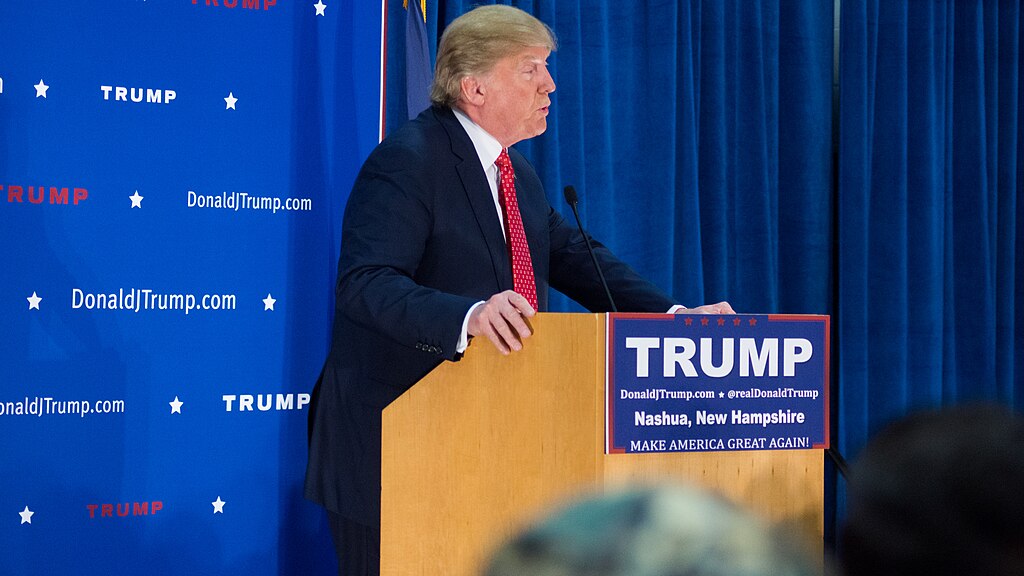
Critics and supporters alike wonder if Trump’s 2025 presidency can navigate looming water resource challenges gripping the nation.
The Water Crisis in Trump’s America: A Mounting Challenge
As Donald Trump prepares to navigate his return to the presidency in 2025, the United States is grappling with a growing water resource crisis. Experts warn that the country faces unprecedented challenges, including droughts, aging infrastructure, and increasing demand from agriculture and urban expansion. Trump’s administration will need to address these issues head-on, but critics question whether his policies will bring meaningful change or exacerbate the problem.
States like California, Nevada, and Arizona are already feeling the impact of water shortages, with the Colorado River Basin experiencing historic lows. At the same time, cities in the Midwest and South are contending with outdated water systems prone to leaks and contamination. Environmentalists argue that the Trump administration’s previous track record on deregulation could hinder progress, while supporters believe his business-first approach may foster innovative solutions.
Trump’s Proposed Water Management Strategies
In his campaign speeches, Trump emphasized the importance of modernizing America’s infrastructure, including its water systems. He pledged to invest billions in rebuilding water pipelines, dams, and reservoirs, framing the issue as a critical national security concern. His administration has also hinted at partnerships with private entities to fund large-scale projects, but this has drawn criticism over potential privatization of essential resources.
Furthermore, Trump has proposed revisiting the controversial Waters of the United States (WOTUS) rule, a regulation defining which waterways fall under federal jurisdiction. His previous rollback of this rule during his first term was praised by agricultural stakeholders but condemned by environmental advocates. Now, as water scarcity intensifies, many wonder if Trump will reconsider stricter oversight or double down on his deregulatory stance.
Climate change remains another contentious factor. While Trump has often dismissed its impact, experts argue that rising temperatures and unpredictable weather patterns are worsening the nation’s water crisis. How his administration balances economic interests with environmental realities will be a defining challenge.
Netizens React to Trump’s Water Policy Plans
Social media users have expressed mixed reactions to Trump’s anticipated water management policies, with debates raging across platforms.
- @GreenForAmerica: “Trump’s presidency will be a disaster for the environment. Water is life, not a commodity to privatize!”
- @FarmersFirst2025: “Finally, someone who gets it. Agriculture feeds America, and Trump will ensure farmers have the water they need.”
- @UrbanRenewalNow: “If Trump really invests in water infrastructure, it could save cities like Flint. But will he follow through?”
- @ClimateRealTalk: “Ignoring climate change won’t solve our water problems, Mr. Trump. We need real solutions, not rhetoric.”
- @TrumpNation2025: “Another promise kept! Can’t wait to see Trump fix what Biden broke.”
- @ConcernedCitizen45: “Water policy isn’t about red or blue states. It’s about survival. Trump better not mess this up.”
Balancing Infrastructure and Sustainability
With Trump poised to tackle America’s water resource challenges, many are watching closely to see whether his administration delivers meaningful solutions. Balancing economic development with sustainable water use will require bipartisan cooperation, a prospect that remains uncertain in today’s polarized political climate.
While his ambitious infrastructure promises have sparked hope among some, critics caution that effective water management requires long-term planning, not quick fixes. As droughts intensify and infrastructure crumbles, Trump’s leadership will be put to the test in addressing one of the nation’s most pressing crises.







