


 Zelenskiy Warns Russia Preparing Major Attack on Ukraine
  Sudan Rejects US Legitimacy Remarks, Defends Sovereignty
  Judge Orders Trump to Restore White House Access for CNN, MS NOW and Politico
  Trump Says ‘Freedom’ Is Coming to Cuba
  US Officials Split Over Response to Israeli West Bank Settlements
  Macron Challenges Trump’s Gaza Peace Claims at UN
  Taiwan Vows to Advance US Arms Sales Ahead of Trump-Xi Meeting
  Russian Strikes Kill Eight Across Ukraine as Energy Sites Hit
  US Invites Putin to Miami G20, Opening Door to Trump Summit
  Trump to Press Xi on Release of US Nuclear Expert Held in China
  Europe Warns Russia Is Escalating Hybrid Attacks Across NATO
  Russian Missile and Drone Attack on Kyiv Kills Two, Damages Maternity Hospital
  Trump Board of Peace Unveils $2.45 Billion Gaza Recovery Plan
  Ghana Says Western Support Growing for Slave Trade Reparations
  Kremlin Says No Grounds Yet for Ukraine Peace Talks
  Russian Envoy Dmitriev Heads to US for Ukraine Talks
  Trump Administration Plans Faster FDA Reviews for Smoke-Free Nicotine Products


 Add as a preferred source on Google
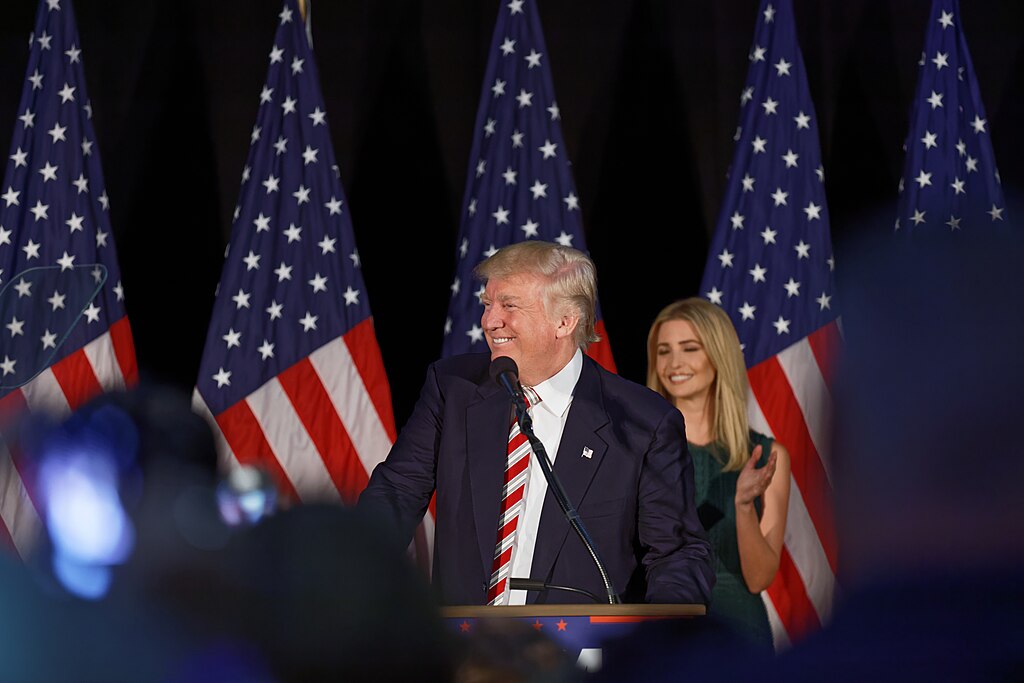
As Donald Trump prepares to take office as the 47th President of the United States, the transition between administrations is under intense scrutiny. Trump’s team has promised a seamless handover, but the highly polarized political climate and significant policy reversals have fueled debate about how the transition will unfold.
Ensuring a Smooth Administrative Handover
The Trump administration has emphasized its commitment to maintaining stability during the transition. According to senior officials, Trump has instructed his team to prioritize continuity in key government functions, including defense, healthcare, and economic management.
In a statement released this week, Trump pledged to focus on “uniting the country and restoring America’s strength.” He added, “We are ensuring the smoothest transition in modern history because the American people deserve nothing less.”
Despite the rhetoric, challenges remain. Key policy shifts, such as rolling back climate initiatives and renegotiating international trade agreements, have raised concerns among federal agencies tasked with implementing these changes. Additionally, Trump’s stated intention to replace several top officials from the previous administration has drawn criticism for potentially destabilizing leadership across departments.
Balancing Political Differences During the Transition
Trump’s transition strategy is further complicated by a politically divided Congress. The incoming administration has vowed to work with lawmakers from both parties to advance its agenda. However, some Democrats have signaled resistance to Trump’s proposed executive orders, particularly those that could overturn policies enacted during the Biden presidency.
A recent report by The Brookings Institution highlighted the potential for gridlock, noting that “transitions often reflect the broader political landscape, and this one may test the limits of bipartisan cooperation.” To address these challenges, Trump’s transition team has reportedly engaged with bipartisan advisory panels to seek common ground on pressing national issues.
Meanwhile, public reaction to the transition has been mixed, with social media users expressing both support and skepticism.
Netizens React to Trump’s Transition Strategy
On Twitter, user @Patriot4Trump praised the plan, writing, “Finally, a president who puts America first! Trump’s transition will bring back strength and unity.” Conversely, @Resist2025 voiced concern, stating, “Replacing experienced leaders with loyalists isn’t a smooth transition—it’s a recipe for chaos.”
User @IndependentObserver took a neutral stance, tweeting, “Transitions are always tricky, but let’s hope this one focuses on policies that benefit all Americans.” Meanwhile, @PoliticalWatchdog questioned Trump’s intentions, posting, “Why does every policy reversal seem like a step backward? This transition feels more divisive than unifying.”
Supporters, such as @MAGA2025, emphasized Trump’s leadership, tweeting, “Trump will fix the mess left behind and make America great again—starting with this transition.” Critics like @FutureNowUSA remained skeptical, writing, “A smooth transition is more than words. Let’s see the action behind the promises.”







