


 Gaza Olive Harvest Collapses as War Destroys Farmland
  UN Urges Talks on Lebanon Peacekeeping Mission Extension
  Trump Denies China, Russia Are Helping Iran in War
  SpaceX Starlink Restrictions Disrupt Ukraine Military Operations
  China Resumes US Soybean Purchases After Trump-Xi Summit
  Zelenskiy Says Trump’s Support for Russia Is ‘Painful’
  US Senate Midterms 2026: Key Races That Could Flip Control
  Zelenskiy Seeks New US Talks to Revive Ukraine-Russia Peace Negotiations
  Flavio Bolsonaro Backs Brazil’s 40-Hour Workweek Reform Ahead of Runoff
  MI5 Warns of Rising Iran, Russia Threats and AI Bioweapon Risks
  Trump Warns Houthis Over Attacks, Considers Erdogan Intervention
  IMF Warns US Debt Crisis Needs Fiscal Action, Urges China to Boost Consumption
  Kim Jong Un Showcases ICBM Ahead of Possible Trump Meeting
  Trump Denies Russia and China Are Helping Iran in U.S. Conflict
  US Supreme Court Denies Release of Anti-ICE Activist Kyle Wagner
  Elon Musk Donates $366 Million to 2026 US Midterms
  US Recalls Nicaragua Envoy After Ambassador Rejection


 Add as a preferred source on Google
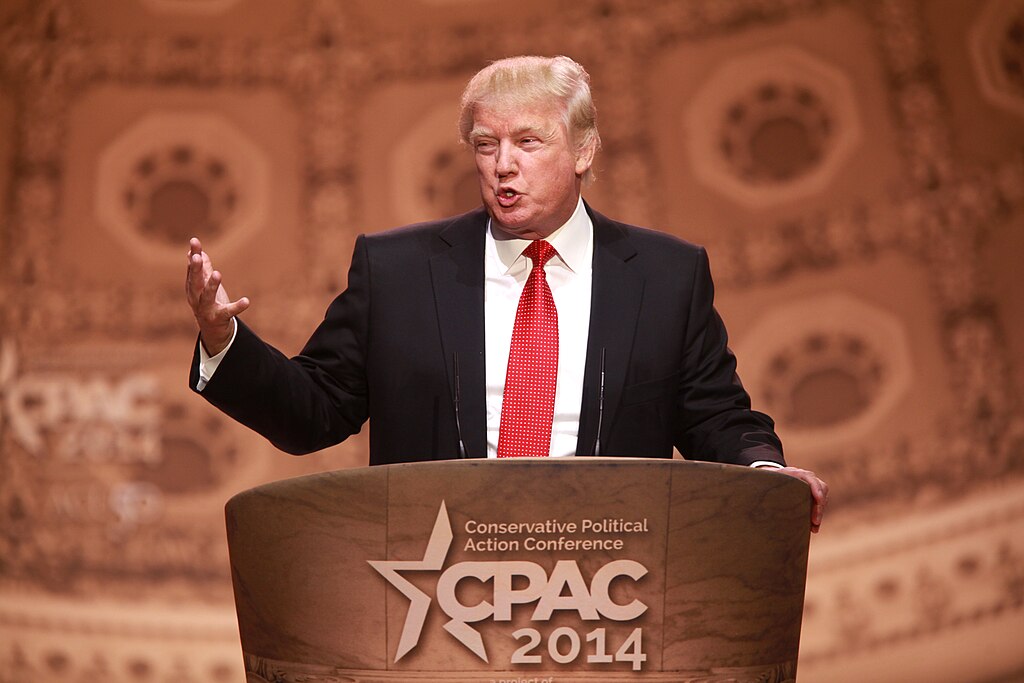
Former President Donald Trump’s administration has announced a $200 billion initiative to fund high-speed rail projects across the United States, a move hailed by supporters as a modern transportation revolution but criticized by skeptics as a risky investment. The ambitious plan aims to overhaul the country’s rail infrastructure, aligning with global standards while addressing growing demand for eco-friendly transit options.
Federal Funding and Private Partnerships
The plan leverages $100 billion in federal funding, with an additional $100 billion expected from private sector investments. According to administration officials, the funding will target key states, including California, Texas, and Florida, aiming to connect major metropolitan areas with high-speed rail systems. Trump has positioned the project as essential for reducing traffic congestion, decreasing carbon emissions, and boosting economic growth.
Transportation Secretary Elaine Chao emphasized the administration’s commitment to public-private partnerships, stating, “This is not just about trains—it’s about jobs, cleaner air, and faster travel.”
Critics, however, argue that the project may saddle taxpayers with billions in debt. Environmentalists also question whether the plan adequately addresses concerns about land use and ecological impact.
Public Reaction: Mixed Feelings on Bold Investment
Trump’s high-speed rail plan has ignited debates across social media, with reactions ranging from enthusiastic support to scathing criticism.
- @RailRevolution: "Finally, the U.S. gets serious about high-speed rail. This is long overdue! #ModernTransit"
- @TaxpayerWatch: "Trump’s rail project sounds great until taxpayers foot the bill. Where’s the ROI? #ThinkTwice"
- @EcoAdvocate99: "Green energy plus efficient travel? Love this plan! Let’s catch up with Europe and Asia. #Sustainability"
- @FiscalHawk: "Public-private partnerships? We’ve heard this before, and taxpayers always lose. #WastefulSpending"
- @UrbanPlannerJoe: "Excited for high-speed rail but worried about land acquisitions disrupting local communities. #BalancedGrowth"
- @ClimateActionNow: "If done right, this could cut emissions significantly. Let’s push for responsible implementation. #CleanTransit"
Implementation Challenges Loom
Despite the ambitious nature of the project, challenges remain. Acquiring land for rail corridors has proven contentious, with lawsuits expected from property owners. Furthermore, experts warn that coordination between federal and state agencies, as well as securing private sector participation, will require careful negotiation.







